


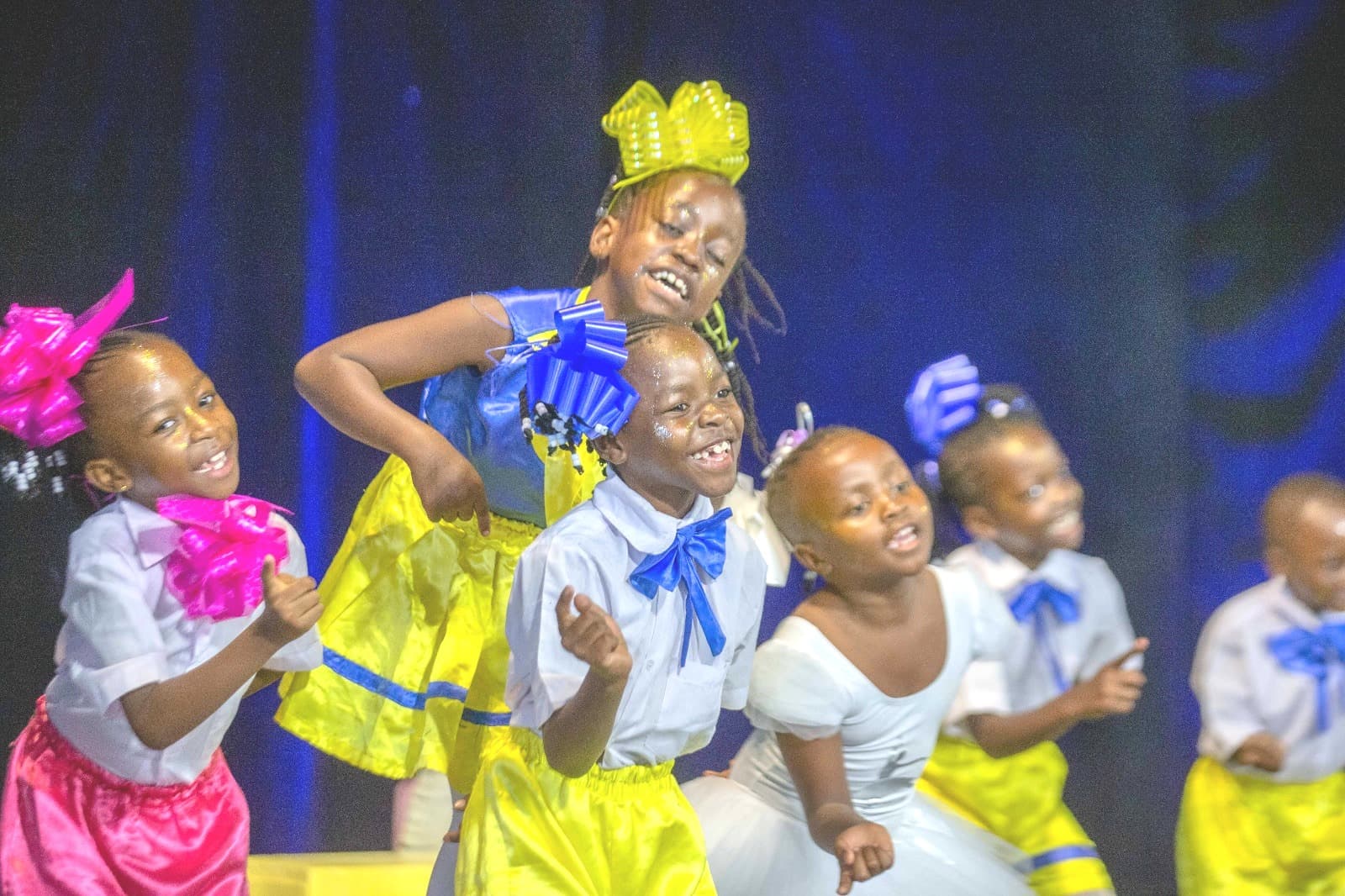
The Kenya National Drama Festivals 2026 are here again, and with them comes the familiar excitement of rehearsals, costumes, scripts, choreography, voice training, and the thrill of stepping onto a competitive stage. But as schools, colleges, and universities prepare to shine, one truth must be stated plainly: talent alone is not enough. Discipline wins festivals. And discipline begins with respecting performance time limits and cast caps.
The official guidelines on the duration of performance and the maximum number in the cast are not mere suggestions. They are the backbone of fairness, order, and professionalism in the festival. Every year, strong items are disqualified or penalized, not because they were weak, but because they ignored the rules. In 2026, there is no room for guesswork. The message is simple: keep time, manage numbers, and deliver excellence.
In the Play category, time allocations and cast limits are carefully structured to match the level of production expected. Primary school plays are capped at 15 minutes with a maximum cast of 20. This encourages concise storytelling, sharp characterisation, and tight direction. For Junior School, the allowance rises to 35 minutes with a cast of 25, giving learners space to explore more complex themes while still maintaining focus. Secondary school plays will run for 40 minutes, also with a cast of 25, reflecting the higher performance demands and maturity of interpretation expected at that level. For TTI/TTCs, the limit is 45 minutes with a cast of 30, while Universities take the lead with 60 minutes and a maximum cast of 40, allowing deeper artistic exploration and broader stagecraft.
ALSO READ:
https://educationnews.co.ke/police-probe-javelin-accident-that-claimed-students-life-at-bunangeni-secondary/
The festival also embraces language and inclusivity through special categories. A Play in French will run for 25 minutes with a cast cap of 15, meaning institutions must be deliberate in role assignment and language clarity. Meanwhile, Plays in Kenya Sign Language (KSL) are clearly guided: Primary KSL plays have 20 minutes with a cast of 20, and College KSL plays have 25 minutes, also with a cast of 20. These categories are not just competitive; they represent a commitment to accessibility and communication through performance.
For Cultural Creative Dances, the festival remains faithful to tradition while enforcing strict time discipline. Primary cultural dances are allocated 7 minutes with a maximum cast of 30, calling for high energy and well-coordinated formations within a short window. Junior School and Secondary cultural dances each get 12 minutes and allow up to 35 performers. Tertiary institutions follow the same duration and cast limits as Junior School and Secondary. The festival also makes special provision for learners with special needs. Special Needs Institutions (Primary) are allowed 10 minutes with a cast of 25, while SNE institutions (Secondary and Tertiary) have 12 minutes with a cast limit of 25. These guidelines ensure inclusivity while maintaining the competitive integrity of the festival.
When it comes to Modern Creative Dance, the rules are uniform and very clear. Across Primary, Junior School, Secondary, and Tertiary, each performance will last 7 minutes, and the cast must not exceed 9. This is a category where creativity must be sharp, choreography must be clean, and teamwork must be precise. With only nine performers allowed, institutions must focus on quality, not crowding.
The spoken performance categories are equally structured. Solo Verse at the pre-primary level runs for 4 minutes with a cast of 2, while Primary, Junior School, Secondary, and Tertiary solo verse performances take 6 minutes, also with a cast limit of 2. This is where voice control, stage presence, and interpretation matter most. In the French segment, Solo Verse in French for Junior School and Secondary runs for 5 minutes with a cast of 2, while Choral Verse in French for the same levels also runs for 5 minutes with a cast cap of 12. For those handling German, Choral Verse in German is for Secondary only, running for 5 minutes with a cast of 15.
ALSO READ:
https://educationnews.co.ke/matungu-mp-rolls-out-ksh-50-million-bursaries-to-support-grade-10-learners/
For Choral Verse, the limits are designed to balance teamwork and manageability. Pre-primary choral verse takes 4 minutes with a cast of 16, while Primary, Junior School, Secondary, and Tertiary choral verse performances take 6 minutes with a maximum cast of 18. Institutions must therefore train for projection, rhythm, and unity while keeping within the allowed numbers.
Other categories complete the festival menu with equally firm guidance. Spoken Word for Junior School, Secondary, and Tertiary runs for 5 minutes with a cast of 2. Narratives for Primary and Junior School take 5 minutes with a cast of 4, while Secondary and Tertiary narratives take 7 minutes, still with a cast of 4. Solo Dance for all levels from Primary to Tertiary runs for 5 minutes with a cast limit of 2. Dramatised Singing Games at the pre-primary level take 5 minutes with a cast of 20. Stand-up Comedy for Junior School, Secondary, and Tertiary runs for 5 minutes with a cast of 2. Mime for Secondary and Tertiary runs for 5 minutes with a cast of 3. Finally, the Live TV Broadcast category for Primary, Junior School, and Secondary runs for 5 minutes with a cast of 2, demanding tight scripting, clear delivery, and broadcast-style discipline.
In the end, these rules are not meant to limit creativity; they are meant to sharpen it. Time limits teach precision. Cast caps encourage purposeful selection. The Kenya National Drama Festivals 2026 will reward those who plan, rehearse, and perform within the boundaries of excellence. Let every institution take the guidelines seriously, because in drama, the difference between winning and losing is often not talent, it is compliance.
By Hillary Muhalya
You can also follow our social media pages on Twitter: Education News KE and Facebook: Education News Newspaper for timely updates.
>>> Click here to stay up-to-date with trending regional stories
>>> Click here to read more informed opinions on the country’s education landscape


Reader Discussion (0)
Sign in to comment