Health challenges being among the biggest hidden barriers keeping Kenyan children out of the classroom, a free medical camp at Kipevu Primary School in Mombasa recently helped to alleviate the challenge.
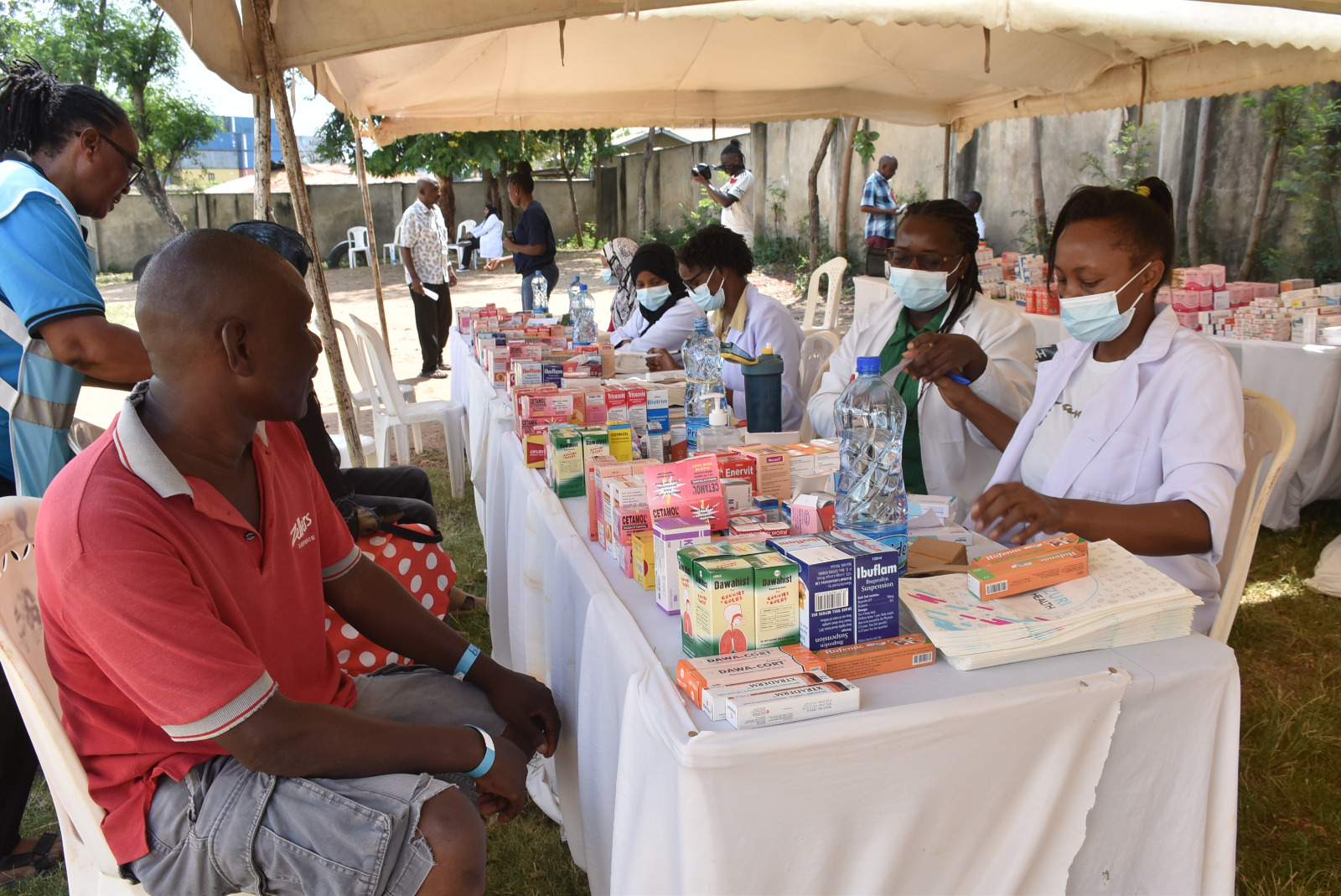
Supported by Asharami Synergy Limited Kenya, a Sahara Group company, in partnership with Zuri Health and the Mombasa County Government, the outreach brought full health checks, specialist care and free medicines right into the school compound at a time when many families cannot afford basic treatment.
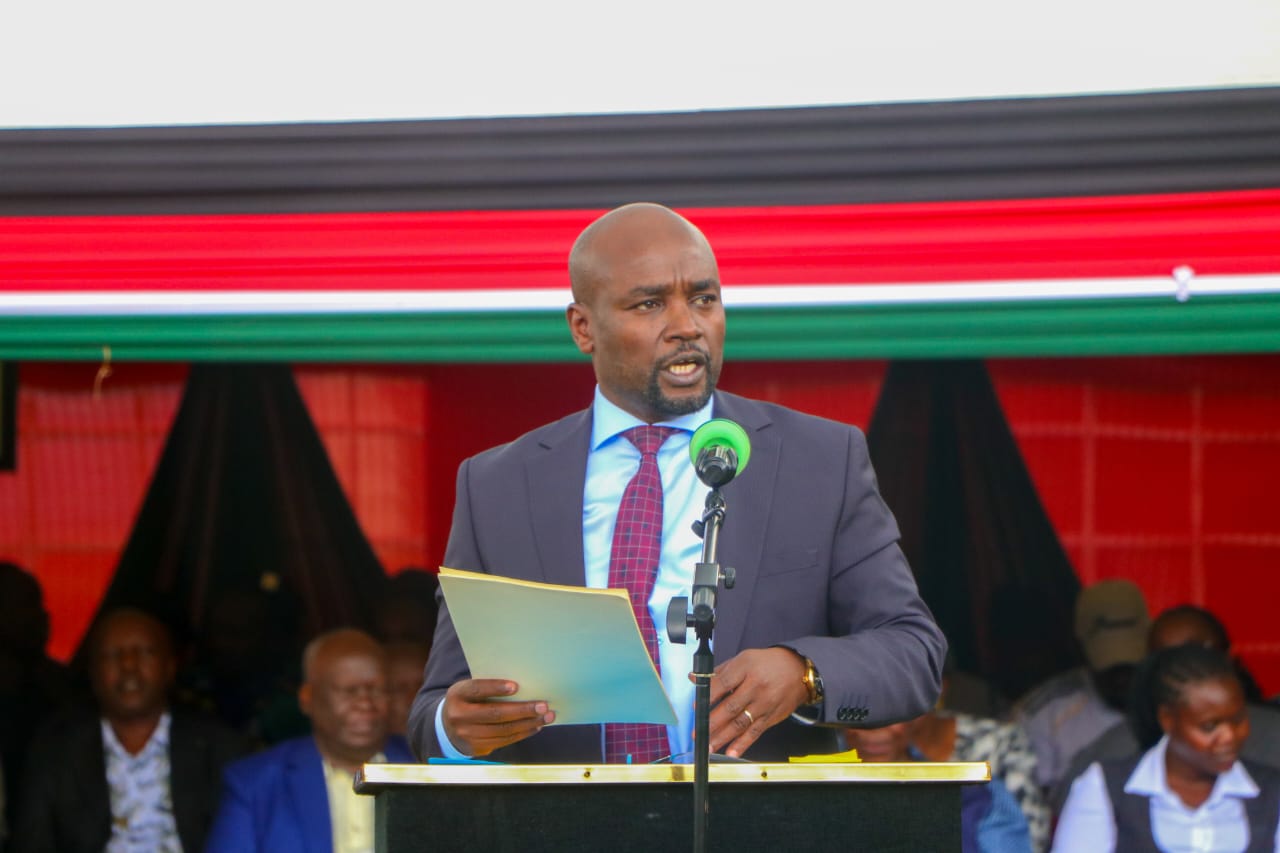
“A healthy community means a wealthy nation, and that starts with our children being well enough to learn,”said Lavina Gonah, Supply and Operations Supervisor at Asharami Synergy.
She noted that bringing services to the school removes a major barrier for low‑income families.
“For pupils who regularly miss lessons because of sickness, pain or untreated conditions, this support can be the difference between dropping out and staying on track with their education,” said Lavina.
She added that teachers and parents in low‑income areas know that “health problems” are some of the most common, yet least addressed, reasons why children miss school
“At Kipevu, many learners live with recurring chest infections, untreated dental issues, poor eyesight, malnutrition or unmanaged chronic conditions at home, all of which make it hard to attend school regularly or focus when they do.” She noted
Lavina added that the camp tackled the barriers through general check‑ups and triage to catch illnesses early, nutrition assessment and counselling for children affected by hunger or poor diets, dental services to relieve tooth pain that keeps them awake and absent, and eye checks with free reading glasses for those who struggle to see the board or their books and quietly disengage from class work.
“The Medical camp removed the need for parents to lose income or pay transport and facility fees, which often leads to postponed or abandoned treatment for children.”
ALSO READ:
Treasury pension and KRA should urgently bury hatchet to mitigate plight of civil servants retirees
For many families in Changamwe, the choice is stark: pay for food and rent, or pay for health care, and that trade‑off hits children hardest. The Kipevu camp responded by making consultations, tests and medicines entirely free, including for conditions that directly shape school attendance and performance, such as asthma, repeated infections and visual problems.
Parents who attended with their children expressed relief that long‑standing issues like breathing difficulties, untreated skin conditions and poor vision were finally being addressed without new financial strain, while a dedicated child‑welfare and growth‑monitoring section helped flag underweight or developmentally at‑risk learners for early support and healthier participation in school.
“We are not only seeing children and caregivers once; those with chronic conditions are being enrolled into our continuous care programme, with ongoing access to doctors and medication at no cost, said Meshack Mutende, Head of Business Development at Zuri Health, emphasizing that the model is built for long‑term impact, not a one‑day fix.” One parent said
Hosting the camp at Kipevu Primary School also turned the school into a safe entry point to the health system for both learners and caregivers. Children were examined in a familiar environment, supported by teachers and staff they already trust, reducing fear and stigma often linked to hospital visits.
For pupils with chronic or recurring issues such as asthma or early‑stage non‑communicable diseases, early identification and referral means fewer emergency absences and a stronger chance of maintaining a steady learning trajectory, with the inclusion of mental health support recognising that stress, anxiety and difficult home circumstances also undermine classroom performance, observed a doctor who participated in the medical camp.
ALSO READ:
University of Kabianga orders students to explain absence from supplementary exams
The Kipevu camp did not end with “treat and leave.” Chronic patients, many from households with school‑going children, were enrolled into continuous care programmes run by Zuri Health, supported by partners like Boringa Angel Home, so that caregivers are more likely to remain healthy and economically active rather than forcing older siblings out of school to work or provide care at home.
For education stakeholders, from teachers and headteachers to policymakers, the lesson from Kipevu is clear: learning outcomes cannot improve if children’s basic health needs remain unmet. A child who cannot see the board, who sits in class with constant tooth or chest pain, or who is frequently at home because a chronic condition is poorly managed is at high risk of falling behind, repeating grades or dropping out altogether.
In a country striving to keep every child learning, school‑linked healthcare is not a luxury but is a cornerstone of delivering quality education for all.
By Stephen Muthini
You can also follow our social media pages on Twitter: Education News KE and Facebook: Education News Newspaper for timely updates.
>>> Click here to stay up-to-date with trending regional stories
>>> Click here to read more informed opinions on the country’s education landscape