




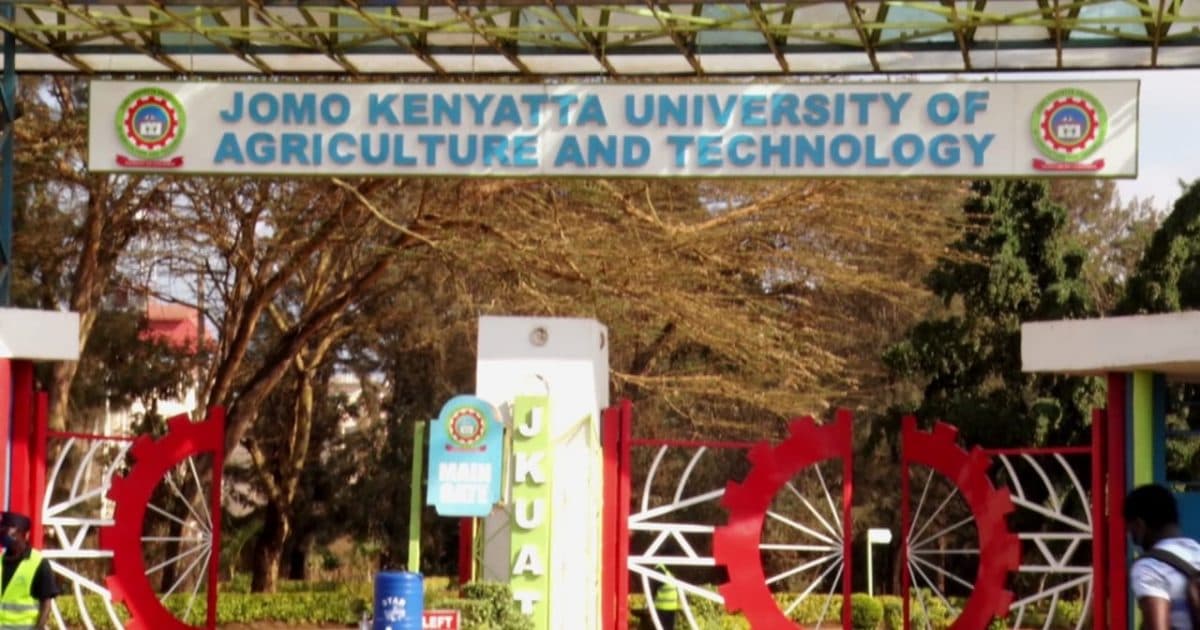
A lecturer at Jomo Kenyatta University of Agriculture and Technology (JKUAT) has finally received KSh508,914 in outstanding dues after the Commission on Administrative Justice (CAJ) intervened to resolve an eight‑year dispute.
The lecturer, had taught at the institution for nearly a decade but remained unpaid despite repeated follow‑ups with the university’s finance department.
His attempts to have the arrears converted into tuition fees for his dependents studying at JKUAT were also rejected, leaving him frustrated and financially strained.
In his complaint to the Ombudsman, the lecturer described the prolonged delay as deeply distressing, particularly during a period when his parents were unwell and following the loss of his mother.
He argued that the university’s silence and failure to act amounted to administrative injustice.
Upon receiving the complaint, the Commission wrote to JKUAT’s Vice‑Chancellor seeking clarification. The initial inquiry went unanswered, prompting two reminder letters before the university finally responded.
ALSO READ:
https://educationnews.co.ke/judiciary-steps-up-to-intensify-fight-against-fgm-early-marriages-in-narok/
In its reply, JKUAT confirmed that the payment had been processed, stating: “A sum of KSh 508,914 has been disbursed to the lecturer as part‑time payment, constituting full settlement of the outstanding dues owed to him.”
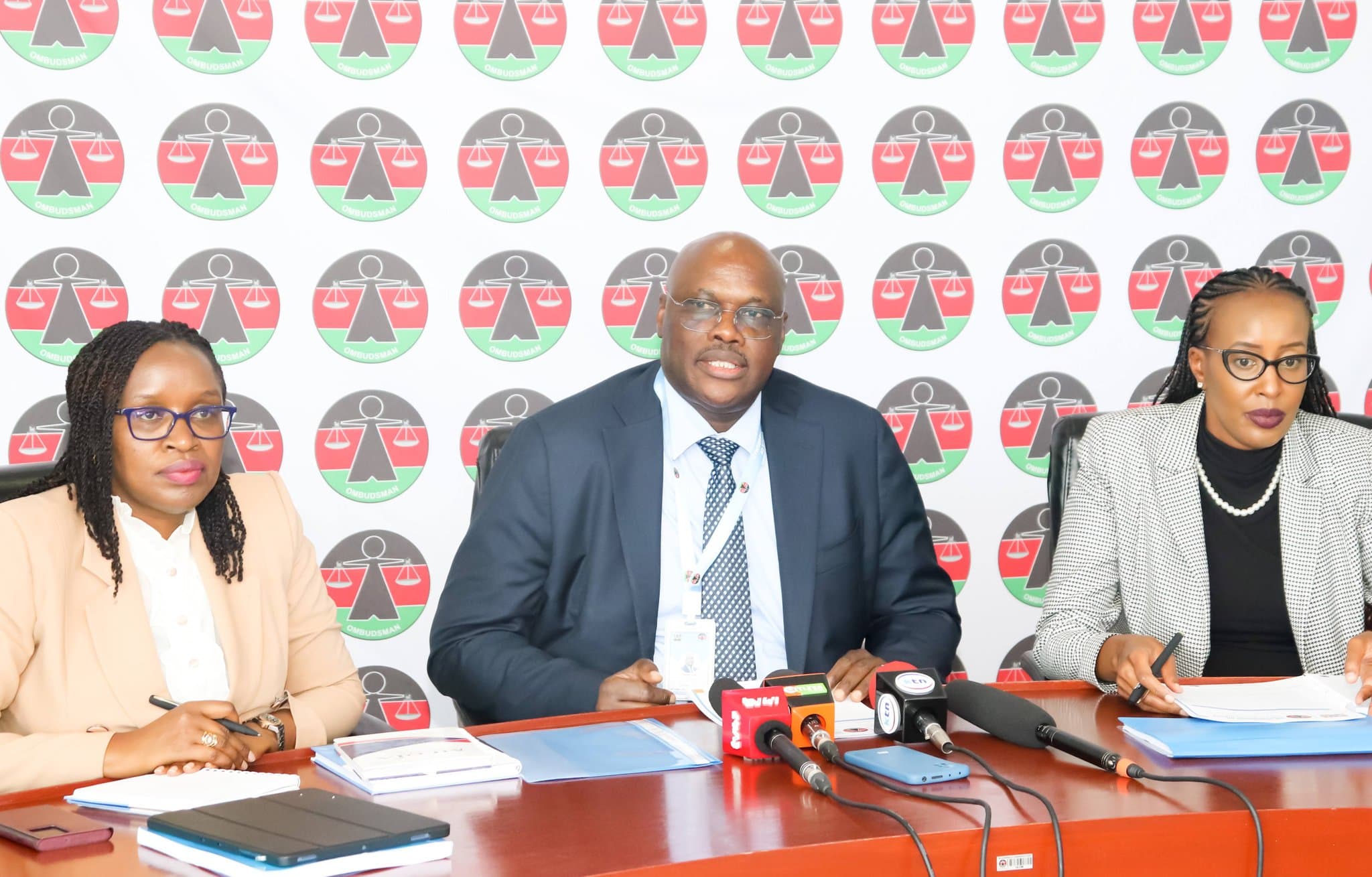
The Commission highlighted the case as an example of its mandate to address maladministration and enforce accountability in public institutions. It noted that delayed payments and lack of communication remain recurring challenges in the public sector, often leaving employees and service providers in prolonged uncertainty.
The Commission said it will continue to push for stronger compliance with administrative procedures to prevent similar cases of neglect.
By Masaki Enock
You can also follow our social media pages on Twitter: Education News KE and Facebook: Education News Newspaper for timely updates.
>>> Click here to stay up-to-date with trending regional stories
>>> Click here to read more informed opinions on the country’s education landscape
Reader Discussion (0)
Sign in to comment