









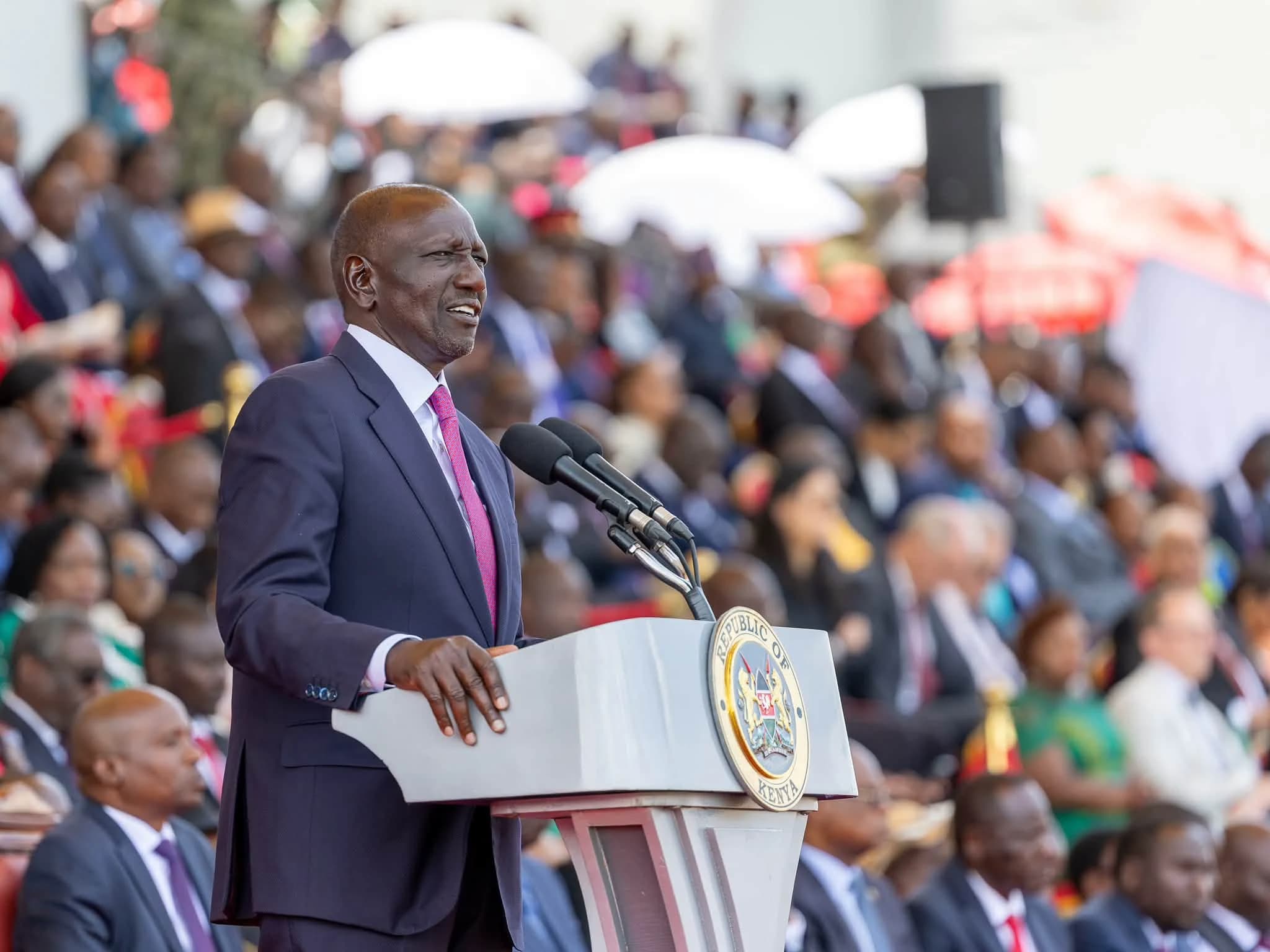
Youth seeking work experience in public institutions are poised to enjoy stronger protections and improved benefits once President William Ruto signs the Public Service Internship Bill, 2022, into law.
The National Assembly has already endorsed the Bill, introduced by Samburu West MP Naisula Lesuuda, which aims to standardise and regulate internships that have historically lacked consistency and accountability.
The legislation proposes monthly stipends, personal accident coverage throughout the internship period, and access to maternity, paternity, and sick leave. The precise amounts and entitlements will be determined by the Public Service Cabinet Secretary, whose proposals will undergo review by the Committee on Delegated Legislation.
According to the Bill, “Every intern engaged in public service shall be eligible for payment of such monthly stipend as the Cabinet Secretary shall prescribe in the regulations.” However, the law does not extend pension or gratuity rights, and placements will run from three to twelve months.
Lawmakers noted that previous internship programmes were often mismanaged, offering limited learning opportunities and creating space for unfair practices.
They highlighted cases in which nepotism, corruption, and favouritism denied qualified youth the chance to participate. To curb these problems, the Bill directs public institutions to advertise available slots publicly.
It states, “A person in charge of a public service institution shall advertise the internship opportunities on the website of the institution and in at least two newspapers of nationwide circulation.”
READ ALSO:
https://educationnews.co.ke/schools-set-for-showdown-at-kipchumba-karori-eldoret-international-volleyball-tournament/
The notices must include the required specialisation, the number of positions, the internship duration, and the application deadlines.
Those eligible include graduates holding certificates, diplomas, or degrees from recognised institutions who have not previously attained practical experience in their fields. The Bill further mandates the creation of internship management committees to oversee planning, budgeting, mentor allocation, and performance monitoring, ensuring interns gain meaningful experience.
It also outlines conditions under which an internship may be terminated—such as unexplained absence for 24 hours, disobedience, misconduct, or criminal involvement. Interns who choose to resign must give 30 days’ written notice.
MPs welcomed the legislation as a significant boost for youth empowerment. Gichugu MP Robert Gichimu remarked, “I am happy for the millions of young people in this country whose internship now has a legal framework.” Kilifi South MP Ken Chonga observed, “There have been no guidelines on how internship is managed, making the programme open to abuse.”
Lesuuda thanked the House for its support, saying, “We now have a legal document. I hope interns will be treated better than before and will gain the requisite experience.”
Seme MP James Nyikal added that the law affirms the value of interns’ labour: “We have on many occasions heard people say these are students and should not be remunerated. This Bill cures that.”
By Joseph Mambili
You can also follow our social media pages on Twitter: Education News KE and Facebook: Education News Newspaper for timely updates.
>>> Click here to stay up-to-date with trending regional stories
>>> Click here to read more informed opinions on the country’s education landscape



Reader Discussion (0)
Sign in to comment