








Kenya’s education sector is facing a pivotal debate as the Ministry of Education considers merging schools that have persistently low enrolment. The proposal, though still under discussion, has already sparked conversations among teachers, principals, policymakers, and communities across the country.
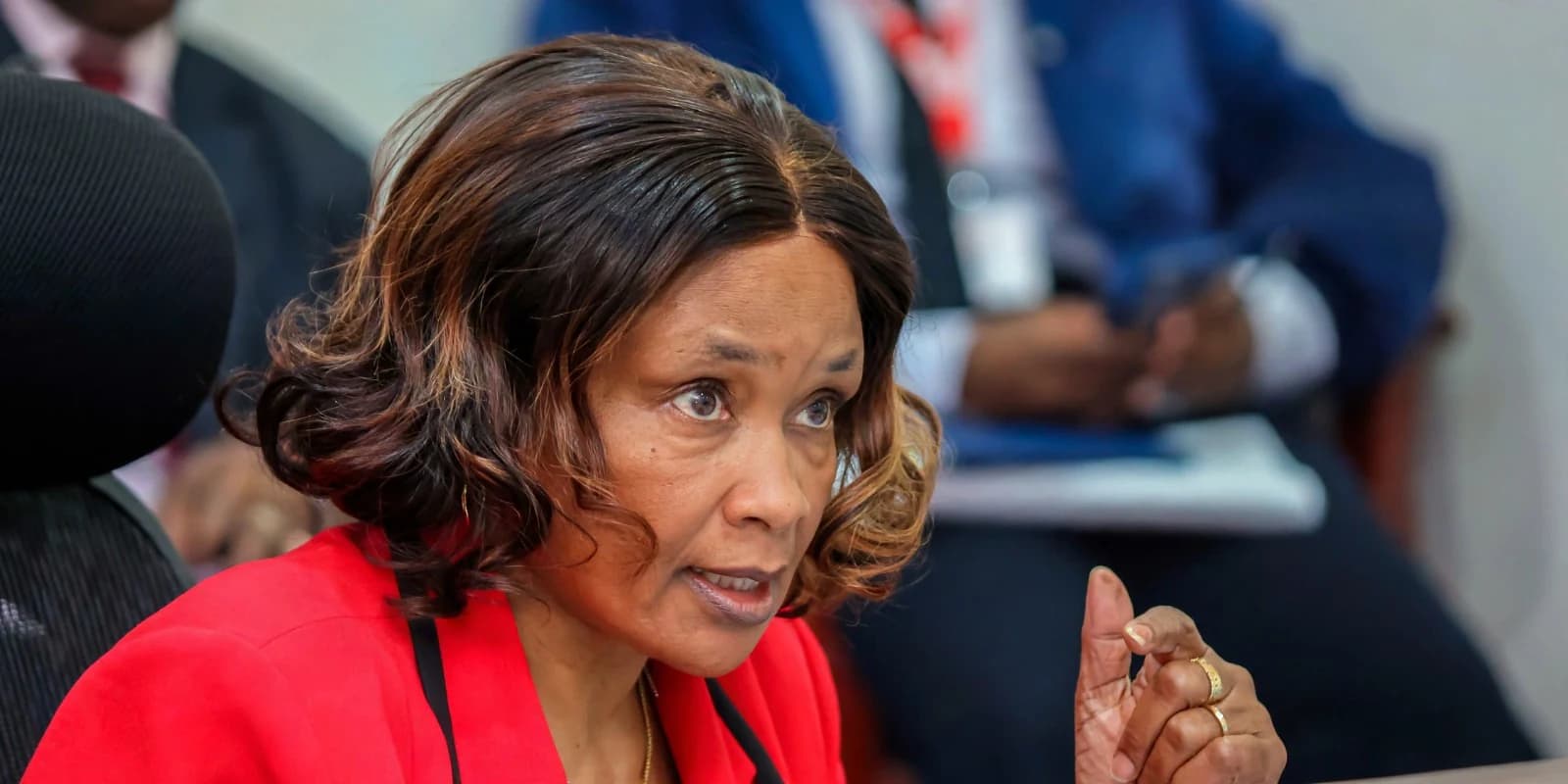
The plan was revealed by Julius Migos Ogamba during a stakeholders’ forum in Nairobi, where he acknowledged that the government is reviewing the sustainability of institutions operating with extremely small student populations. “There will be no point in having a school with 10 students,” he said, underscoring the dilemma facing planners.
Over the past decade, Kenya has dramatically expanded its education infrastructure, establishing hundreds of secondary schools to bring learning closer to communities. The expansion reduced congestion in existing institutions and gave learners in remote areas easier access to education. Communities rallied behind these efforts, donating land, raising funds, and building classrooms and dormitories.
Yet enrolment patterns have shifted. Parents increasingly prefer established national, extra-county, and high-performing schools, leaving many newer or lesser-known day secondary schools struggling to attract students. Today, some institutions operate with fewer than ten learners per class, and in extreme cases, only two or three.
ALSO READ:
https://educationnews.co.ke/motorsports-in-cbe-sport-science-will-safari-rally-produce-future-rally-champions/
Such numbers pose serious challenges. Schools require teachers, administrators, laboratories, and support staff regardless of enrollment size. When student numbers fall drastically, the cost per learner rises sharply, raising questions about sustainability. The Ministry is now examining whether consolidating institutions could optimize resources and strengthen education outcomes.
From the government’s perspective, merging schools could allow facilities such as laboratories, libraries, and workshops to be fully utilized. Concentrating investment in fewer but stronger institutions may create vibrant academic environments capable of supporting broader curricula and larger teaching staff.
The debate comes at a critical time as Kenya transitions to senior school under the Competency-Based Curriculum (CBC). With learners preparing to move into Grade 10, officials are assessing whether schools have the capacity to support specialized pathways. Some institutions expected to host senior classes may not attract enough students to make those programmes viable.
Teacher deployment is another factor. The Teachers Service Commission assigns educators based on enrolment and subject needs. In schools with very few learners, teachers may find themselves handling unusually small classes, while nearby institutions struggle with shortages. Merging schools could allow redistribution of teachers, balancing workloads and improving efficiency.
However, the proposal has raised concerns. For many communities, schools represent more than learning spaces; they embody collective effort, pride, and progress. Families donate land, organize fundraisers, and lobby for government support. The prospect of losing such institutions through consolidation raises emotional and political sensitivities.
Accessibility is also a pressing issue. Many schools were built within walking distance of villages to reduce travel burdens. If mergers centralize operations, some learners may face longer journeys, creating challenges for families with limited resources. Education experts warn that any consolidation must be carefully planned, considering population density, distance, infrastructure, and demographic trends.
The Cabinet Secretary has been candid about the pressures facing the system, cautioning against what he termed “patriotic schools” established without long-term planning. He argued that while community participation is vital, institutions must remain viable and sustainable.
ALSO READ:
https://educationnews.co.ke/tsc-reviews-cpg-guidelines-to-boost-teachers-career-mobility/
At its core, the merger debate reflects broader questions about sustainability in public education. Infrastructure projects, teacher salaries, and maintenance costs place heavy demands on government finances. When resources are spread across schools with extremely small populations, efficiency suffers. Consolidation could create stronger institutions that are academically competitive, financially sustainable, and better equipped for modern learning.
Larger schools tend to offer more subject combinations, richer co-curricular programmes, and stronger peer interaction. A class of forty students fosters competition, collaboration, and group discussions that are difficult to achieve in classes of three or four.
Still, policymakers must balance efficiency with equity. Kenya’s education system has long emphasized access within reasonable distance from home. Any reform that reduces that access must be approached with caution.
For now, the proposal remains under review, with stakeholders expected to contribute their perspectives. Teachers, principals, parents, and local leaders will play a critical role in shaping the final direction. What is clear is that the issue of underutilized schools can no longer be ignored.
By Hillary Muhalya
You can also follow our social media pages on Twitter: Education News KE and Facebook: Education News Newspaper for timely updates.
>>> Click here to stay up-to-date with trending regional stories
>>> Click here to read more informed opinions on the country’s education landscape


Reader Discussion (0)
Sign in to comment