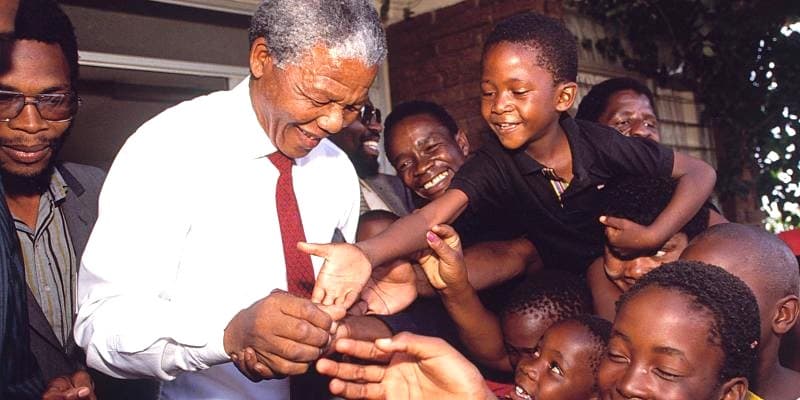
If the world agrees on one thing, it is this: Nelson Mandela was not just a political hero – he was a living example of what forgiveness, compassion and emotional courage can achieve. His story is not only a chapter in history; it is a classroom for humanity. And while his leadership transformed nations, the lessons drawn from his heart are just as powerful inside our homes, shaping how we raise children who lead with empathy, not resentment; with wisdom, not anger.
Mandela’s life invites us to redefine forgiveness. Too often, children grow up thinking that forgiving someone makes them weak, soft or naïve. They believe that holding onto anger makes them tougher. Yet Mandela’s journey proves the opposite. Forgiveness, as he lived it, is the strength of the highest form – strength that bends but does not break, strength that heals rather than harms, strength that liberates instead of imprisoning.
To appreciate this lesson, we must begin with his 27-year imprisonment. Imagine being cut off from your family, stripped of freedom, humiliated daily and caged simply for standing for what is right. Most of us cannot imagine maintaining our sanity under such circumstances, let alone compassion. Mandela endured physical hardship, emotional torment and psychological warfare. Many expected him to emerge from prison hardened, bitter and hungry for revenge.
Yet when Mandela walked out of Victor Verster Prison in 1990, he did so with a calm, steady, and reconciliatory spirit. He held no grudges. He vowed that he would not let bitterness define him. Instead of dividing a wounded nation, he united it. Instead of rewarding cruelty with cruelty, he offered a path towards peace. Such restraint, such dignity, such compassion – this is what makes forgiveness a rare and powerful skill.
Now imagine what could happen if we introduced even a sliver of Mandela’s philosophy into the way we raise children.
Children, like adults, experience hurt – some small, some deep. A child who is teased at school feels wounded. A child who feels betrayed by a friend feels angry. A child who makes a mistake often struggles with guilt. If they are not well-guided, these feelings grow into bitterness, fear, or aggression. But when they are taught Mandela’s approach – recognising the pain, acknowledging it, but choosing not to be controlled by it – they develop emotional resilience that outgrows any challenge.
Mandela frequently reminded the world: “Resentment is like drinking poison and then hoping it will kill your enemies.” This wisdom is essential for children. If they learn early on that holding on to anger harms them more than the person who hurt them, they willingly choose peace. They learn to free themselves from emotional baggage. They learn that forgiveness is not about the other person; it is about their own well-being.
Teaching forgiveness begins with teaching children what forgiveness is not. It is not excusing harmful behaviour. It is not pretending everything is fine. It is not forgetting what happened. Mandela never forgot the injustice he faced – he simply refused to let it rule him. Forgiveness is a form of strength because it allows a child to reclaim control of their emotions. It is a conscious, courageous act of letting go, so that growth can begin.
Children also need to see forgiveness modelled at home. In parenting, every disagreement is an opportunity to teach compassion. When a parent apologises to a child, they show humility. When a child apologises to a sibling and the parent guides forgiveness, they plant seeds of empathy. When a mistake is corrected with kindness instead of rage, the child learns that forgiveness and accountability can coexist.
READ ALSO:
https://educationnews.co.ke/east-africa-debate-council-shifts-schools-debate-championship/
Mandela’s life carries another crucial lesson for children: empathy is the foundation of forgiveness. How did Mandela manage to forgive his oppressors? He once said he tried to understand their fears, their upbringing, their ideological cages. By trying to see the world through their eyes, he softened the hard edges of anger and found space for understanding. This does not mean he justified their actions; he recognised their humanity. Children need this same kind of emotional lens. They must learn that others’ actions often come from their own fears, struggles or misunderstandings. A child who learns empathy grows into an adult who can forgive, negotiate and lead.
Forgiveness also teaches children responsibility. Holding onto anger gives them an excuse to blame. Forgiveness forces them to take ownership of their healing. Mandela never allowed himself to be trapped in the identity of a victim. He rose above it and encouraged others to do the same. Children who learn this become emotionally mature. They understand that while they cannot control what others do, they can control how they respond.
Teaching forgiveness also prepares children for the real world. Life is full of disappointments, disagreements and conflicts. Children who learn to forgive early handle relationships better. They resolve conflicts instead of running from them. They speak rather than explode. They listen rather than assume. They grow into adults who build, not break; who reconcile, not retaliate.
Imagine a future generation that takes Mandela’s lessons to heart. A generation that sees forgiveness as a form of courage. A generation that builds friendships on understanding rather than fear. A generation that values peace over pride. A generation that sees conflict not as a battlefield but as a bridge to deeper connection.
Mandela changed the course of history with his forgiveness. Inside our homes, we can change the course of a child’s life with the same principle. If a man who lost almost three decades of his life could forgive, surely we can teach a child to let go of playground insults, sibling conflicts or early disappointments. We can raise children who understand that forgiveness does not make them weak – it makes them unstoppable.
Let us teach them that compassion is not a soft skill; it is a powerful one.
Let us teach them that peace is not accidental; it is intentional.
Let us teach them that healing is a choice – one they can make every day.
In honouring Mandela’s legacy, we build a new legacy of our own: children who lead with heart, rise after hurt and choose forgiveness not as surrender but as strength.
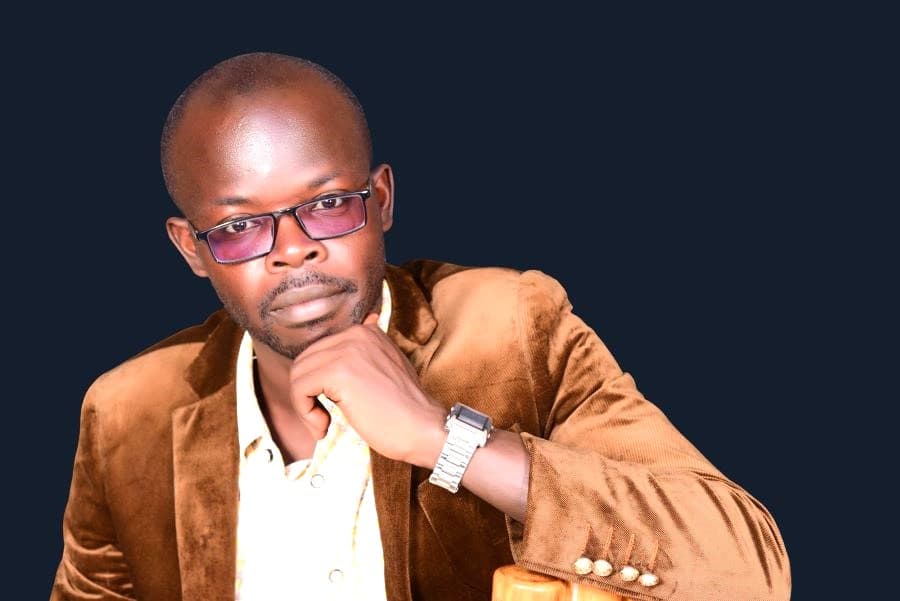
Ashford Kimani
Ashford teaches English and Literature in Gatundu North Sub-county and serves as Dean of Studies.
You can also follow our social media pages on Twitter: Education News KE and Facebook: Education News Newspaper for timely updates.
>>> Click here to stay up-to-date with trending regional stories
>>> Click here to read more informed opinions on the country’s education landscape
>>> Click here to stay ahead with the latest national news.

Reader Discussion (0)
Sign in to comment