









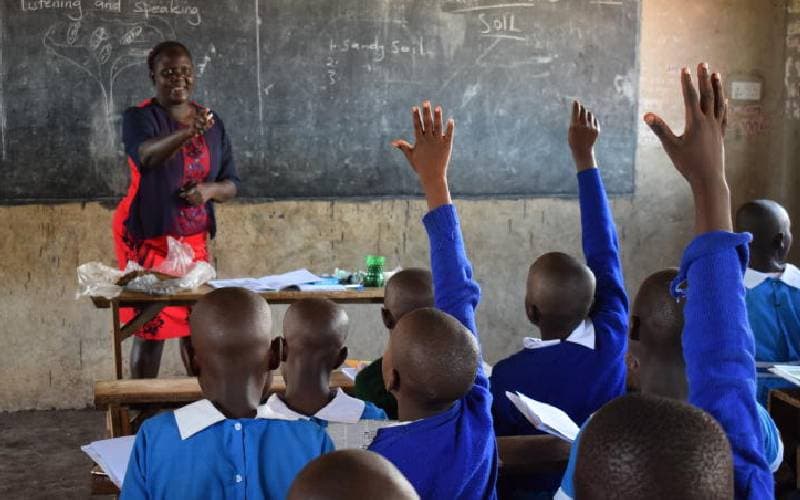
After the long December school holiday, it is time to help our children adjust back to school. The extended break, while necessary for rest and bonding, often disrupts routines that are essential for effective learning. During the holiday, children grow accustomed to late nights, relaxed mornings, reduced academic demands and, in many cases, excessive screen time. Returning abruptly to structured school life can therefore feel like a shock to the system. For many learners, this transition is not merely physical but emotional and psychological, and how adults handle it can shape their attitude toward school for the rest of the year.
The back-to-school period is often marked by mixed emotions. Some children are excited to see their friends and teachers again, while others experience anxiety, fear or resistance. Younger learners may struggle with separation anxiety, while older ones may feel overwhelmed by academic expectations, new teachers or unfamiliar environments. These reactions are normal, yet they are sometimes misunderstood and treated as a sign of indiscipline or laziness. When children resist waking up early, complain of stomach aches, or suddenly become irritable, they may be expressing an internal struggle to readjust. Adults must look beyond the behaviour and seek to understand the message behind it.
Parents play a critical role in easing this transition. Adjustment does not begin on the first day of school; it should ideally start days or even weeks before reopening. Gradually reintroducing school routines such as earlier bedtimes, consistent wake-up times, and designated study hours helps the child’s body clock reset. Sudden changes are harder to manage and often result in fatigue, poor concentration and emotional outbursts. Creating predictability at home gives children a sense of security and control, which is essential during periods of change.
Communication at home matters just as much as routine. Children need reassurance that school is a safe and supportive place. Parents should talk openly about the new term, listen to their children’s fears without dismissing them, and avoid using school as a threat or punishment. Statements that portray school as harsh or teachers as cruel only heighten anxiety. Instead, focusing on positive expectations, friendships, opportunities to learn, and personal growth helps children approach school with confidence rather than dread.
ALSO READ:
https://educationnews.co.ke/decorated-moi-girls-kamusinga-handball-coach-still-waiting-for-tsc-employment/
Teachers, on their part, hold immense power in shaping the reopening experience. The first days of school should prioritise reconnection over content coverage. Learners return not as blank slates but as individuals carrying different holiday experiences, emotions and challenges. Some may have enjoyed warm family moments, while others may have experienced neglect, conflict or hardship. Sensitivity is therefore key. Simple activities that allow learners to talk about their holidays, engage in play, laugh and reconnect help rebuild classroom relationships and trust.
An overly rigid academic approach at the start of the term can be counterproductive. Pushing learners into intense assessments and heavy workloads before they are emotionally settled often results in resistance, disengagement and behavioural issues. Learning thrives where there is a sense of belonging and safety. When learners feel seen and valued, they are more willing to participate, make mistakes and grow. A gentle reintroduction of rules, routines and academic expectations allows learners to adjust without feeling overwhelmed.
Discipline during this period should be approached with empathy. Many behaviour challenges witnessed at the beginning of the term are adjustment-related rather than deliberate misconduct. Punitive measures may silence the behaviour temporarily but fail to address the root cause. Listening, guiding and offering consistent structure produce better long-term outcomes. Children learn self-regulation not through fear, but through supportive modelling and clear expectations.
The collaboration between home and school is especially important during this time. When parents and teachers communicate and present a united front, children receive consistent messages that reinforce stability. Sharing observations about a child’s mood, behaviour or struggles helps identify issues early before they escalate. A child who feels supported by both home and school is more likely to settle quickly and regain focus.
It is also important to acknowledge that adjustment is not uniform. Some children settle within days, others take weeks. Comparison should be avoided. Labelling a child as slow, stubborn or problematic during this sensitive phase can damage self-esteem and motivation. Each learner’s pace must be respected. Patience is not a weakness; it is a powerful educational tool.
ALSO READ:
https://educationnews.co.ke/kuppet-kisumu-warns-officials-against-meddling-in-upcoming-branch-elections/
Ultimately, the goal of reopening schools after a long holiday should not be speed but sustainability. A calm, thoughtful transition lays the foundation for effective learning throughout the year. When children are supported emotionally, routines are restored gradually, and expectations are communicated with clarity and compassion, learners are more likely to thrive academically and socially.
The beginning of a school term is not just about timetables, books and uniforms. It is about helping children shift from one world into another with dignity and care. If we get the transition right, we do more than help children adjust to school; we teach them resilience, trust and a lifelong positive relationship with learning.
By Ashford Kimani
Ashford teaches English and Literature in Gatundu North and serves as Dean of Studies.
You can also follow our social media pages on Twitter: Education News KE and Facebook: Education News Newspaper for timely updates.
>>> Click here to stay up-to-date with trending regional stories
>>> Click here to read more informed opinions on the country’s education landscape




Reader Discussion (0)
Sign in to comment