


I am writing this piece at 2:23 am. It is Tuesday, the 30th of December. My sleep was interrupted and not gently. It was a violent sleep, the kind that does not release you quietly but throws you back into consciousness with your heart racing and your mind already mid-sentence.
Sometimes, as a writer, this is how ideas come to me. I experience what I call seizures of imagination. My mind is seized by a theme, a topic, an expert voice or a haunting idea that refuses to wait for morning. When that happens, I wake up and harvest the talking points before they scatter like frightened birds.
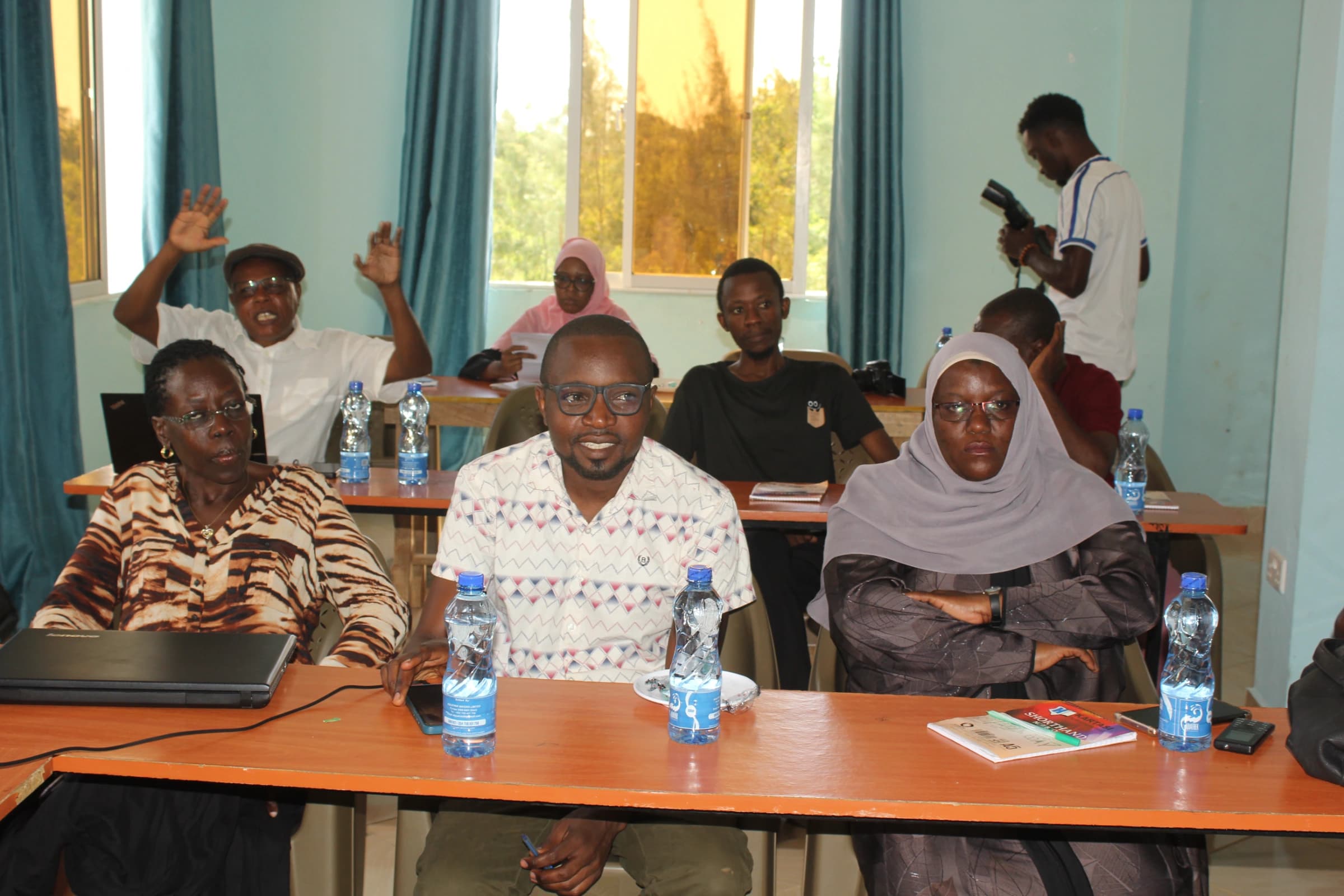
On this particular night, my mind travelled back to an exercise we did during the five-day retooling training we underwent a week before Christmas. It was meant to be a breather, a light activity to break the heaviness of policy documents, frameworks, and long PowerPoint presentations.
We were given assorted manila papers and markers and asked to draw and label areas in our schools where learners are safe from gender-based violence. It sounded simple. Almost harmless. A classroom exercise. Yet what emerged from that room was anything but light.
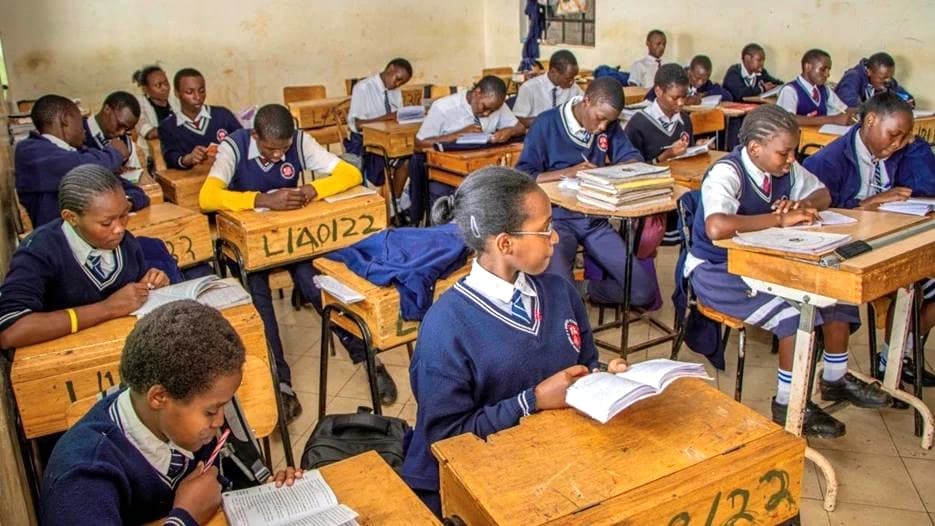
As groups huddled over Manila papers, drawing school compounds, classrooms, dormitories, toilets, playgrounds, gates, and paths, something unsettling happened. Spaces that we instinctively wanted to label as “safe” began to resist the label. Classrooms were questioned. Toilets were crossed out. Dormitories became ambiguous. Playgrounds raised eyebrows. The route home from school was immediately marked as unsafe. Even homes, the places we culturally and emotionally describe as sanctuaries, were hesitantly labelled, then scratched, then left blank.
ALSO READ:
https://educationnews.co.ke/moh-raises-alarm-over-drug-abuse-among-learners-vows-action-as-schools-reopen-next-week/
By the time presentations were done, an uncomfortable truth lay exposed on the walls of the training hall: nowhere is truly safe for children from gender-based violence.
That realization struck me like a thunderbolt. Not because I had never heard of gender-based violence, or because I was naïve about what learners go through.
It struck me because the exercise forced me to confront myself, not as an advocate, not as a policy implementer, not as a concerned adult, but as a teacher standing in front of children every day. And in that moment, I saw clearly what I had managed to avoid for years. I am one of the teachers who does not create a safe space for my learners. This is not an easy sentence to write. Teachers like to see themselves as protectors, mentors, and guides. We take pride in saying our classrooms are safe, that our learners can talk to us, and that we are approachable. But safety is not declared; it is experienced. And many of us confuse silence with safety. A quiet class, compliant learners, and good academic performance can mask fear, shame, and trauma. A learner who never reports abuse is not necessarily safe; they may simply have learned that speaking is dangerous.
As I reflected deeper, I realized how subtly unsafe spaces are created, not through overt cruelty, but through everyday practices. Through jokes that normalize harassment. Through dismissive responses when learners report uncomfortable encounters. Through telling girls to “be careful” instead of questioning why boys are not taught restraint. Through using authority to intimidate rather than protect. Through prioritizing syllabus coverage over emotional well-being. Through failing to notice the withdrawn child, the sudden drop in performance, and the loud laughter that hides pain.
What disturbed me most during that exercise was the realization that even where policies exist, safety does not automatically follow.
Many schools have gender desks, child protection policies, and reporting mechanisms. Yet learners still do not feel safe. This tells us that safety is not built on documents alone. It is built on relationships, trust, and consistent action. A learner will only report gender-based violence if they believe they will be believed, protected and not punished for speaking out. Too often, schools respond with silence, victim-blaming or damage control aimed at protecting institutional image rather than the child.
ALSO READ:
https://educationnews.co.ke/kisauni-mp-protests-loss-of-37-jss-teacher-slots-cites-id-card-bias/
The irony that homes are also unsafe spaces is particularly painful. We send children home assuming they are safer there, yet for many, home is where the abuse begins or continues. This reality places an even heavier responsibility on schools and teachers. If both school and home are unsafe, where does the child run to? Who listens? Who notices? Who intervenes?
As a teacher, this realization has unsettled me. It has forced me to confront uncomfortable questions. How many times have learners sat in my class carrying stories they could not tell? How many signals have I missed because I was focused on exams and outcomes? How many times have I unknowingly reinforced harmful norms through silence or misplaced humour? The truth is, creating a safe space requires more than good intentions. It requires deliberate, sometimes uncomfortable, self-examination.
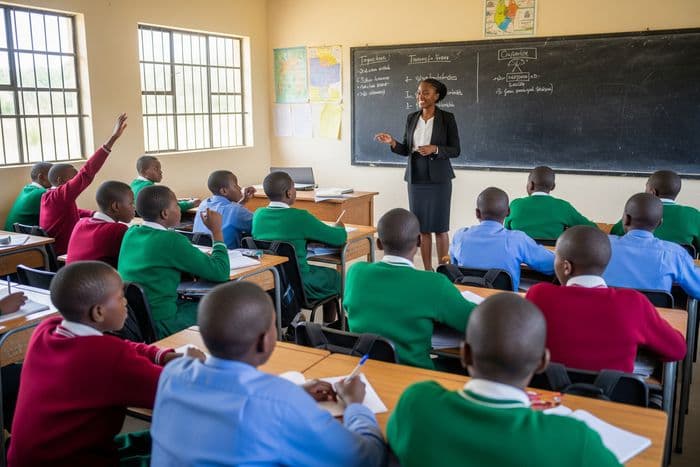
Safety begins with language. How we speak to learners, how we discuss gender, and how we respond to vulnerability. It continues with posture, whether we are open or dismissive, patient or rushed. It demands that we interrogate our own biases, our cultural conditioning, and our assumptions about children’s experiences. It asks us to slow down and listen, even when what we hear disrupts our sense of order and control.
That Manila paper exercise was not a breather after all. It was a mirror. It reflected our collective failure to guarantee safe spaces for learners. But it also offered a starting point. A painful one, yes, but necessary. We cannot protect what we refuse to see. We cannot create safety while pretending it already exists.
As I write this in the quiet of the night, long after sleep has fled, I am sitting with this truth. Being a teacher is not only about delivering content or maintaining discipline. It is about holding space for children in a world that often fails them. It is about choosing, daily, to be a safe adult in an unsafe environment. And that choice begins with honestly and humbly admitting that we have not always been that adult.
By Ashford Kimani
Ashford teaches English and Literature in Gatundu North Sub-county and serves as Dean of Studies.
You can also follow our social media pages on Twitter: Education News KE and Facebook: Education News Newspaper for timely updates.
>>> Click here to stay up-to-date with trending regional stories
>>> Click here to read more informed opinions on the country’s education landscape
>>> Click here to stay ahead with the latest national news.



Reader Discussion (0)
Sign in to comment