



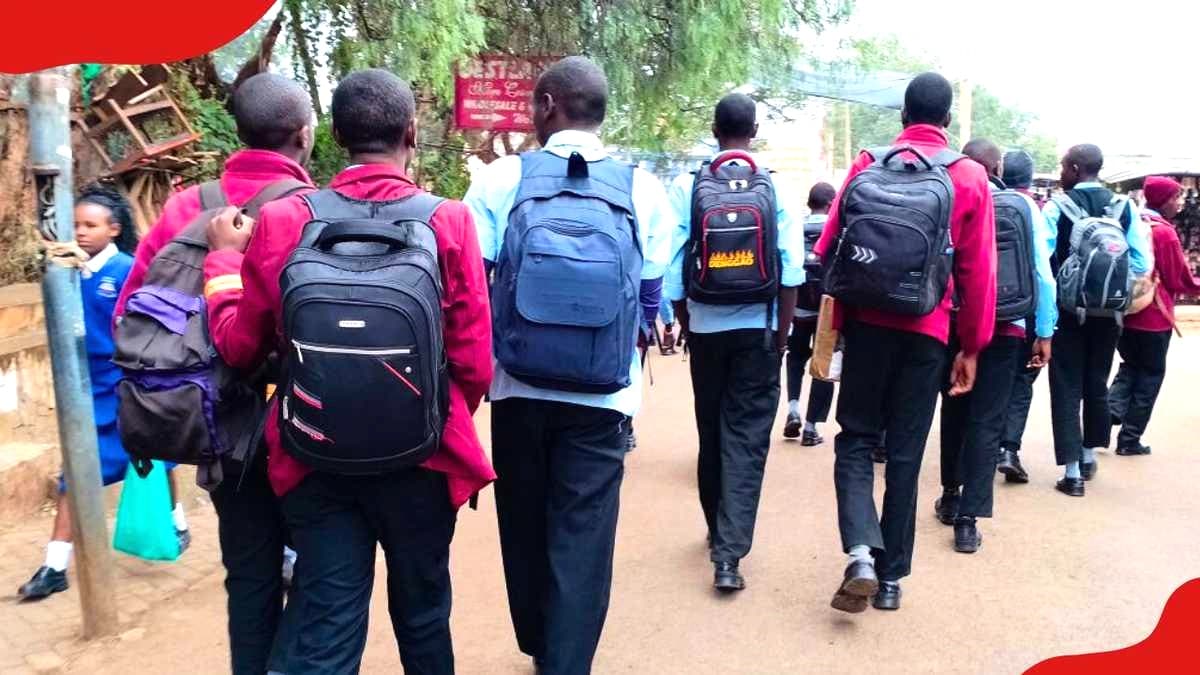

Enhancing peace where learners are living with HIV and AIDS is not merely a health concern; it is a defining moral test for any school. A learning institution that cannot protect its most vulnerable learners cannot convincingly claim to nurture excellence, discipline, or character.
Peace in this context is not the silence of suffering. It is the presence of dignity, safety, belonging, and equal opportunity. Every learner deserves to feel safe enough to participate fully in school life, to raise their hand in class without fear, to join clubs or sports without hesitation, and to develop social relationships without suspicion or judgment. When learners living with HIV are denied these basic rights, the very soul of the school is compromised.
In Kenya, policy frameworks already exist under the Ministry of Education and the National AIDS & STI Control Programme (NASCOP). National guidelines emphasize non-discrimination, confidentiality, and inclusion.
The challenge, therefore, is not the absence of policy. It is the depth of implementation within school walls. Far too often, rules exist on paper while practices in classrooms tell a different story. Teachers may have good intentions but lack practical guidance on handling disclosure, peer interactions, or emotional support for learners living with HIV. Leaders may adopt a hands-off approach, believing that social cohesion will “naturally” emerge. But peace does not emerge by chance; it must be deliberately nurtured.
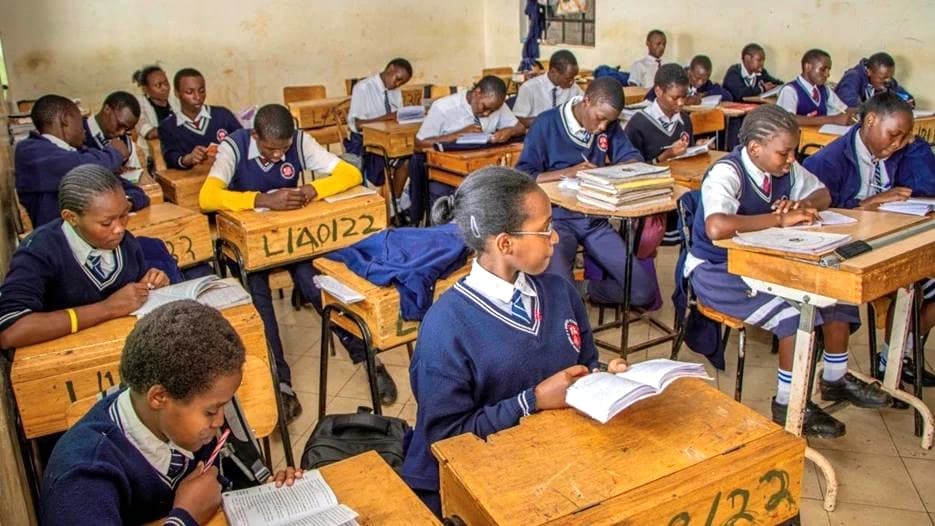
Classrooms are micro-societies. They reflect the prejudices and the progress of the larger community. When stigma seeps into a classroom, it does not knock loudly. It whispers. It isolates. It humiliates. It scars quietly. A learner living with HIV may endure mockery disguised as jokes, avoidance disguised as caution, or exclusion disguised as ignorance. Each of these behaviors chips away at peace. During interviews with primary school teachers in Nairobi, one teacher shared that learners sometimes whisper about a peer’s HIV status, framing casual acts like offering a pencil as dangerous.
Another primary school teacher in Kisumu noted that some students avoid group work with classmates they suspect might be living with HIV, creating invisible barriers that reinforce isolation. In junior secondary schools, the issue is even more complex. Two JSS teachers interviewed in Mombasa highlighted that the learners often internalize stigma, suffering silently because peer relationships are central to adolescent identity. They reported that learners who feel disliked frequently perform poorly, not due to lack of intelligence, but because their emotional energy is drained by anxiety and fear.
ALSO READ:
https://educationnews.co.ke/give-back-to-learning-institutions/
The foundation of stigma is misinformation. Ignorance breeds fear; fear breeds discrimination; discrimination destroys harmony. Schools must therefore normalize accurate, age-appropriate HIV education. Learners need to understand how HIV is transmitted—and equally important—how it is not transmitted. Casual contact, sharing desks, group discussions, or play does not spread HIV. Antiretroviral therapy allows individuals living with HIV to live long, healthy, productive lives. When truth becomes common knowledge, myths collapse. And when myths collapse, peace becomes possible.
One striking example shared by a primary school teacher in Nakuru involved a learner who was hesitant to share water bottles with peers. After a sensitization session, the class understood that casual sharing posed no risk, and relationships normalized. This seemingly small intervention dramatically reduced social tension and restored classroom peace.
Yet knowledge alone is insufficient. Culture matters more than content. A school may hang posters about inclusion and still tolerate harmful language in corridors. True transformation begins with leadership. Headteachers and principals set the moral climate. When leaders correct stigmatizing remarks immediately, insist on respectful language, and model empathy, learners internalize those standards.
Culture, not slogans, determines safety. One Comprehensive School principal in Eldoret explained that they routinely discuss the importance of language in staff meetings, ensuring that teachers understand how terms like “infected” or “sickly” can exacerbate stigma. Teachers who embrace this approach reported that learners began correcting one another in a constructive way, creating a peer-driven enforcement of dignity.
Confidentiality is another pillar of peace. Nothing destabilizes a learner more quickly than unwanted disclosure. A learner’s HIV status is private medical information. It must never become staffroom gossip or corridor speculation. Even well-meaning adults can cause harm by sharing information in search of sympathy. Dignity is preserved when confidentiality is guarded with discipline. A school that cannot protect secrets cannot protect souls.
In an interview with a JSS teacher in Nairobi, they recalled a learner whose status was inadvertently revealed during a school event. The consequences were immediate: isolation from classmates, taunting, and a drop in academic participation. The school subsequently revised its handling of medical information, restricting access to a few trained personnel, demonstrating that policy must be actively enforced to protect peace.
Peer relationships also shape school climate profoundly.
Adolescents seek validation from one another more intensely than from adults. Establishing trained peer educator groups can transform attitudes organically. Peer ambassadors who understand HIV realities can counter stigma among classmates, promote inclusive language, and offer companionship to isolated learners. Acceptance among peers stabilizes emotional health, and emotional stability strengthens academic performance. One primary school teacher highlighted how a buddy system helped a learner navigate both medical appointments and social challenges. This intervention improved not only the learner’s wellbeing but also classroom cohesion.
ALSO READ:
https://educationnews.co.ke/lufumbo-dormitory-commissioning/
Teachers themselves require preparation. Living with a chronic condition during adolescence can involve medication fatigue, clinic appointments, fluctuating energy levels, and psychological stress. Educators must recognize signs of depression, anxiety, or social withdrawal. Professional development sessions in collaboration with local health providers can equip teachers with basic psychosocial support skills. A trained teacher builds peace deliberately; an untrained teacher may unintentionally deepen wounds. In interviews, both primary and JSS teachers emphasized that workshops facilitated by health professionals increased confidence in addressing HIV-related issues sensitively, turning anxiety into effective support.
Peace must also be visible in academic practices. Learners living with HIV may occasionally miss classes for medical appointments. Punishing such absences without inquiry compounds stress. Flexible deadlines, structured catch-up plans, and supportive follow-up communicate care rather than suspicion. Accommodation is not favoritism; it is fairness in context. When schools choose compassion over rigidity, they reinforce trust. One JSS teacher recounted adjusting assignment deadlines for a learner on a new ART regimen. The learner’s engagement increased, and their academic performance improved. This demonstrated how thoughtful intervention fosters both educational and emotional stability.
Parents and guardians are critical partners. Where safe and appropriate, schools should maintain open channels of communication with caregivers. Parenting forums on adolescent health, adherence support, and mental wellness can strengthen home-school collaboration. However, such engagement must always respect learner rights and confidentiality. Peace is built when families feel supported rather than judged. A primary school teacher in Kakamega shared that when caregivers were invited to sensitization meetings about stigma reduction, they reported a clearer understanding of their child’s needs, reinforcing consistent support between home and school.
Life skills education offers a powerful long-term solution. Teaching empathy, emotional intelligence, conflict resolution, and responsible sexuality reshapes attitudes before prejudice hardens. Learners who understand vulnerability are less likely to bully. Peace is not accidental; it is taught intentionally, practiced consistently, and reinforced systematically. Both primary and JSS teachers noted that integrating these lessons into existing curricula empowered learners to reflect on how their words and actions affected others, gradually transforming school culture from fear-driven to compassion-driven.
Partnerships with health institutions extend support beyond school capacity. Collaboration with local clinics, youth-friendly health services, and community health volunteers can facilitate adherence counseling, information sessions, and mental health referrals. A school that operates in isolation limits its effectiveness. A school that collaborates expands its protective net. Teachers interviewed emphasized that these partnerships provided critical support for learners and teachers alike, creating a safety net that reinforced trust and stability.
Equally important are safe reporting channels. Learners must know where to report bullying and trust that action will follow. Anonymous reporting mechanisms, trusted teachers, and guidance counselors can provide refuge. Silence protects aggressors; systems protect the vulnerable. When learners trust institutional processes, school climate stabilizes. In one case in Kisumu, a learner submitted an anonymous report about bullying. The school intervened discreetly, restoring a sense of security and demonstrating the value of accessible reporting mechanisms.
ALSO READ:
https://educationnews.co.ke/knut-marakwet-gets-first-woman-es/
Language, though subtle, is powerful. Words such as “victim” or “infected” reinforce stigma. Phrases like “learner living with HIV” emphasize humanity over condition. Respectful language must be modeled consistently by adults. What teachers normalize becomes the standard of interaction. Anecdotal evidence from teachers showed that once inclusive language became standard, learners themselves adopted it, correcting peers gently and reinforcing a peaceful environment.
Peace is also structural. Learners living with HIV must have equal access to leadership roles, sports, clubs, and academic expectations. Overprotection can be as damaging as exclusion. They do not need pity. They need opportunity. Inclusion affirms capability; capability fuels confidence. Teachers reported seeing learners thrive when given normal responsibilities—ranging from sports captains to class monitors—proving that integration, not isolation, is key to sustainable peace.
Counseling services strengthen resilience further. Adolescents navigating chronic illness may struggle with identity, disclosure anxiety, or grief. Access to trained counselors enables healthy emotional processing. Internalized stigma can be as destructive as external discrimination. When schools address mental health proactively, they reinforce lasting peace. Teachers who engaged in counseling training reported improved confidence in supporting both learners and colleagues in addressing emotional challenges linked to HIV.
Nationally, institutions such as the National AIDS Control Council have advanced significant progress in awareness, treatment access, and anti-stigma campaigns. However, real victory will not be measured solely in statistics. It will be measured in whether a learner can sit in a classroom without fear of ridicule. Success will be reflected in improved attendance, higher engagement, and genuine social integration. When learners living with HIV can fully participate academically and socially, the school demonstrates not just compliance, but moral leadership.
A peaceful school is not defined by the absence of difference. It is defined by the protection of difference. When learners living with HIV feel safe enough to focus on learning rather than survival, academic outcomes improve. When stigma declines, collaboration increases. When dignity is protected, the entire school community becomes healthier. Teachers in both primary and junior secondary schools reported that once stigma-reducing measures were systematically implemented, the ripple effect touched all learners: collaboration improved, participation increased, and the school environment became visibly calmer and more positive.
Ultimately, enhancing peace for learners living with HIV requires truth over myth, policy backed by consistent enforcement, empathy over judgment, confidentiality over curiosity, and inclusion over isolation. It demands courageous leadership and vigilant compassion. It calls for schools to rise beyond tolerance into genuine acceptance. Peace in schools begins with protection—and protection begins with deliberate, informed action from every adult in the school system.
Classrooms without stigma are not idealistic dreams. They are achievable realities when intentional systems replace silence, when courage replaces complacency, when understanding replaces fear. When we protect the most vulnerable learner, we strengthen the moral foundation of the entire institution. Schools that embrace these principles not only enhance academic outcomes but also nurture socially conscious, empathetic citizens prepared to challenge stigma and injustice beyond the school gates.
Creating peace for learners living with HIV is an ongoing journey. It requires constant vigilance, adaptation, and a willingness to learn from mistakes. Teachers, administrators, parents, and learners themselves must engage collaboratively, guided by compassion and informed by knowledge. Every small action—correcting a stigmatizing remark, providing catch-up lessons, maintaining confidentiality, offering a listening ear—builds the framework for sustainable peace. The measure of a school’s success is no longer just its academic results but the extent to which it can protect and empower the most vulnerable members of its community.
In the end, the goal is simple yet profound: a school where learners living with HIV are treated with the same respect, given the same opportunities, and afforded the same dignity as any other learner. A school where they can thrive academically, socially, and emotionally. A school where stigma has no home. A school that truly embodies peace.
By taking these steps, schools become sanctuaries of learning, growth, and humanity. They demonstrate that the principles of justice, equality, and compassion are not abstract ideals but practical, daily commitments. Classrooms without stigma are classrooms where every learner can learn, grow, and belong
By Hillary Muhalya
You can also follow our social media pages on Twitter: Education News KE and Facebook: Education News Newspaper for timely updates.
>>> Click here to stay up-to-date with trending regional stories
>>> Click here to read more informed opinions on the country’s education landscape



Reader Discussion (0)
Sign in to comment