



Poor performance in KCSE is interpreted differently in various schools. In most cases, a school performs poorly when it fails to hit the target set. Sometimes, a school performs poorly when there is a drop in the school or class mean score. Then, a school performs poorly when it lags in the ranking of schools at the same level or status. Dismal performance in KCSE can be attributed to umpteen reasons, which form the nub of this writ. Among the long list of reasons is the failure to launch the Form Four programme at the right time. Poor planning. Failure to address emerging trends in the setting and marking of KCSE. Lack of teamwork in the school. Poor exam preparation strategies. Failure to instil discipline and nurture character in candidates. Failure to support struggling students in the candidate class. Failure to train Form Four candidates on the art of exams. Embracing success-limiting policies. Poor finishing strategies. Lack of exam integrity propagated by cheats and cartels. Lack of affirmative action in problematic areas.
Firstly, on failure to launch the Form Four programme at the right time, schools should, advisedly, swing swiftly into action and launch the class post-haste. Let the Form Four candidates be aware of times and places by being informed about Starting Strong Strategies and Target-Setting. On the teachers’ side, it is imperative to constitute and consolidate a formidable Form Four dream team to implement the rigorous academic programmes in the candidate class throughout the year. Let there be a periodic review of the programme. In best academic practices, there should be data-driven decision-making.
Secondly, the sage said, failure to plan is planning to fail. Therefore, schools should have plausible plans in place. It is not about; we shall cross the bridge once we get there. In lieu of that, the powers-that-be should work on academic strategic meetings. Mobilise all relevant stakeholders to become supporters and generators of viable ideas pertaining to peak performance in KCSE. This shows the core of Parental Empowerment and Engagement (PE&Es) through thoughtful academic clinics and Annual General Meetings (AGMs). Then, schools should develop Academic Action Plans (AAPs) for the three terms. Schools should embrace the episodic revision model and develop timetables for every puissant programme. At the same time, it is important to encourage regular review sessions.
Thirdly, to address emerging trends in the setting and marking of KCSE, schools should buy, study, and implement the recommendations in the KNEC reports. Teachers should be ready to attend seminars and workshops, so that they keep abreast of the trends in their subjects of specialisation. Form Four candidates should be encouraged to revise and review plenty of past papers. Schools should make use of subject experts and examiners.
Consequently, a lack of teamwork invites abysmal failure in KCSE. No wonder, Principals should foster teamwork and encourage the staff to demonstrate it. TEAM is Together Everyone Achieves More. Somehow, in The 17 Indisputable Laws of Teamwork, John C. Maxwell postulates: For the dream to work, there must be teamwork. The dream is the overall mean score the school yearns to scoop. The dream is the comely career every Form Four candidate longs to pursue after high school, but it is impossible with disgraceful grades. Ipso facto, teamwork comes through bonding and team-building sessions. Schools also achieve it through inter-departmental benchmarking meetings, horizontal teaching, and team teaching.
READ ALSO:
https://educationnews.co.ke/classroom-teachers-and-digital-campaigns-shape-knut-west-pokot-branch-elections/
Actually, the exam requires plenty of practice and ample preparation. Preparation is academic, psychological and spiritual. When students have adequate academic preparation, they can hardly succumb to psychological challenges such as exam fear, fever and panic. Teachers should ensure there is effective content mastery and retention. Schools should focus on the tripartite arrangement: Teaching, testing and re-teaching. Meaning, in great management of the candidate class, schools adept at it blend teaching with testing. Schools expand learning time — through remedial and revision sessions. On spiritual preparation, it means that God must be at the centre of it all. Schools can press all buttons while positioning Form Four candidates for nonpareil performance, but without God, everything is zilch. Proverbs 21:31 posits, “A horse is prepared for the day of battle, but victory comes from the Lord.”
Withal, without comely character and discipline, Form Four candidates finally fail and fall flat. Therefore, schools should focus on programmes that make students. Schools should strengthen spiritual programmes. There should be deft departments of Guidance and Counselling in our schools. The office of Deputy Principal (administration) should ensure that discipline prevails. They should firmly deal with recalcitrant students in the candidate class.
Then, schools should develop practical strategies to support struggling students in the candidate class, as there are Form Four candidates who appear academically weak and sick. There are schools that treat them through embracing all forms of ability grouping. Teachers serve more RATs and CATs. Then, there should be more remedial lessons, more consultations and productive group discussions. More should be done in relation to the “a must come areas”, commonly known as the Table of Specification (ToS) or the test blueprint.
Moreover, teaching the art of exams addresses poor performance. The unique technique is that, after completing the syllabus, teachers schedule subject-based seminars and symposia. Then, schools should invite guest examiners and experts to polish pale parts. To dot the I’s and cross the T’s. The central plank of teaching the art of examination is to implement an in-depth examination system. Form Four candidates should understand the trends in exam setting and marking. They should know the marks allotted to each question, the points required, and the grievous goofs that invite penalties.
Likewise, they should know how to plot work on paper and areas they can scoop free marks. In their nous, they should know the format of exam papers. Then, schools that shine as stars in exams help Form Four candidates to finish the race with great grace; bravery and bravado; strength and stamina. How? They develop a holistic homestretch or last lap programme. They compel candidates to finish the last lap with power like champions. Schools must also know that the attitude of finitude can contribute to poor finishing. Wars, fights, discord, disunity, lack of targets, poor mobilisation of resources and quick dismissal of what can work – limits success in many ways.
Before I conclude, schools cannot fix the reasons for poor performance by compromising exam integrity. Too true, when Form Four candidates have an inkling that you will assist them to cheat, they stop pushing the envelope. They rest and relax. They take things for granted and become mediocre: Being at the bottom of the top. Or at the top of the bottom. Cheating is building on quicksand, and such a foundation is wrong in any academic agora. In The Parable of the Wise and Foolish Builders, Jesus warned that it cannot withstand the vagaries of nature. When KNEC detects cheating at a certain centre and tightens the noose, schools experience the pratfall – an embarrassing fall akin to falling with the two round parts above the legs.
When things went south at a school in the distant past, US President Harry S. Truman kept a sign with a phrase on his desk in the Oval Office. It read “the buck stops here”. Meaning, the President must make decisions and accept the ultimate responsibility for them. In a school set up, exam cheats and cartels show up in different sizes and shapes. Through it all, when the centre becomes a crime scene, Principals take the blame because elsewhere, John C. Maxwell postulates: Everything rises and falls on leadership.
Finally, schools prevent poor performance in KCSE when they come up with affirmative action in problematic areas. More so, subjects that recorded poor performance in the national or school’s analysis of the KCSE results in the previous year. For example, in KCSE 2025, meta-analysis of national performance shows that there was poor performance in the two humanities – History and Government and CRE. Broadly, Mathematics and Sciences (Biology, Chemistry and Physics) pose a chilling challenge to students across the board. Therefore, the critical focus on subjects that brought down the school’s mean score and the discovery of problematic areas are within the strategy of affirmative action. For instance, schools should ensure that Form Four candidates have updated their notes in humanities. Schools should nurture and cultivate a reading culture. Form Four candidates should have extra exercise books for work in Mathematics. There should be more practical lessons in the Sciences. Schools should expand teaching and learning time, et cetera.
By Victor Ochieng’
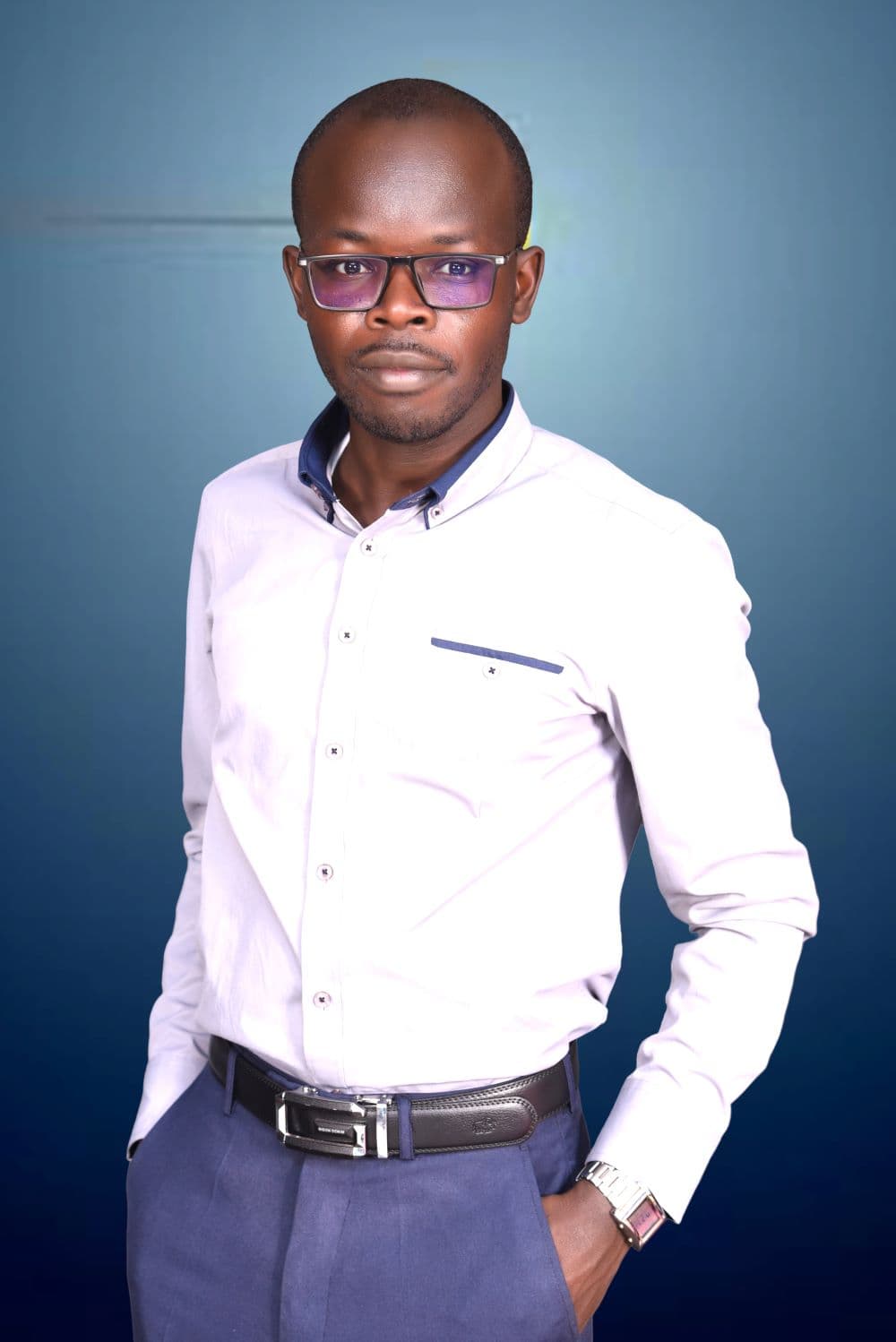
The writer talks to Form Four candidates on Starting Strong Strategies. He trains teachers on the Great Management of the Candidate Class. He speaks at Principals’ conferences on Best Academic Practices and Programmes. vochieng.90@gmail.com 0704420232
You can also follow our social media pages on Twitter: Education News KE and Facebook: Education News Newspaper for timely updates.
>>> Click here to stay up-to-date with trending regional stories
>>> Click here to read more informed opinions on the country’s education landscape
>>> Click here to stay ahead with the latest national news.


Reader Discussion (0)
Sign in to comment