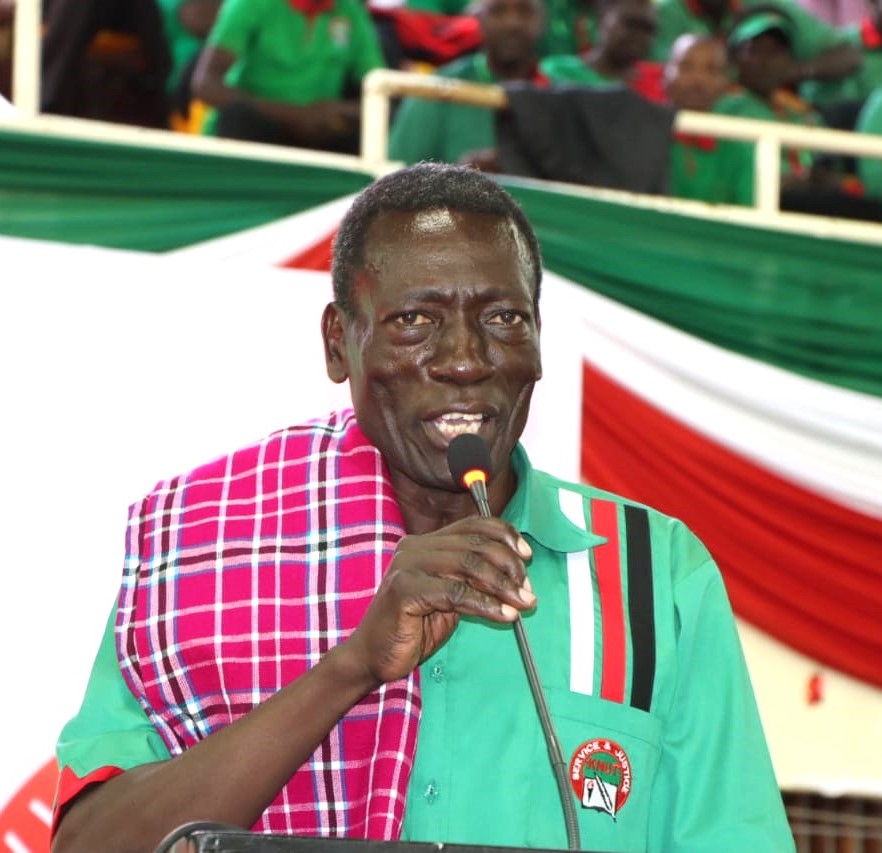
The office of Regional Officials in the Kenya Union of Post-Primary Education Teachers (KUPPET) is a new leadership structure created under the recently amended KUPPET Constitution. Although the amendment faced legal challenge in court, the Employment and Labour Relations Court gave it the green light, affirming its legality and paving the way for its implementation.
With this development, it is important for members to understand how regional officials are elected and the constitutional safeguards guiding the process.
The Electoral College System
Unlike branch elections, where members vote directly, regional officials are not elected by the general membership. Instead, the union adopts an *Electoral College system*
This Electoral College is composed of duly elected Branch Executive Committee (BEC) members from all branches within a given region. These branch officials represent teachers’ voices at the grassroots level and are constitutionally mandated to vote on behalf of their branches in regional elections.
This system ensures a structured representation while maintaining manageable, credible electoral processes at the regional level.
Timing of Regional Elections
Regional elections are conducted after branch elections have been completed. This sequence is deliberate and constitutional.
Only branch officials who are properly elected and subsequently gazetted qualify to participate in the regional voting process. This provision safeguards the integrity of the Electoral College by ensuring that only legitimate office holders determine the next tier of leadership.
Positions at the Regional Level
At the regional level, the union mirrors its branch leadership structure with key offices that coordinate activities across counties. Common positions include:
✓Regional Chairperson
✓Regional Vice Chairperson
✓Regional Executive Secretary
✓Regional Treasurer
Other positions may be provided for, depending on constitutional provisions and union needs.
These leaders play a critical role in policy implementation, coordinating branch activities, and representing members’ interests at higher levels of union governance.
Eligibility to Contest The KUPPET
The constitution sets clear qualifications for aspirants seeking a regional office. A candidate must:
✓Be a registered KUPPET member in good standing.
✓Meet constitutional and nomination requirements as stipulated by the National Executive Council (NEC).
READ ALSO:
US student penalised over alleged AI use in college exams sues for discrimination
✓Not hold two elective offices simultaneously. One cannot serve concurrently at both the branch and regional levels.
These requirements promote accountability, avoid conflicts of interest, and ensure that leaders devote adequate time and focus to their offices.
Mode of Election
Regional elections are conducted through:
✓Secret ballot; or
Any other method approved by the National Executive Council or the National Elections Board appointed by the union.
✓The guiding principle remains democratic fairness — the candidate who garners the highest number of valid votes is declared the winner.
Oversight and Supervision
To ensure transparency and compliance with the constitution, the election process is supervised by the National Elections Board (NEC), in strict adherence to the union constitution and election guidelines.
This oversight mechanism protects the credibility of the process and strengthens members’ confidence in union leadership.
Strengthening Democratic Culture in the Union
The establishment of the regional office marks a significant evolution in KUPPET’s governance structure. Having withstood judicial scrutiny and received validation from the Labour Court, the new framework now stands on firm constitutional and legal ground.
Understanding these processes is vital for members, aspirants, and observers alike. A well-informed membership strengthens internal democracy and promotes unity within the teaching fraternity.
By Wesley Chelule
Wesley Chelule writes from Nakuru and is a keen observer of union governance and educational leadership matters
You can also follow our social media pages on Twitter: Education News KE and Facebook: Education News Newspaper for timely updates.
>>> Click here to stay up-to-date with trending regional stories
>>> Click here to read more informed opinions on the country’s education landscape
>>> Click here to stay ahead with the latest national news.