




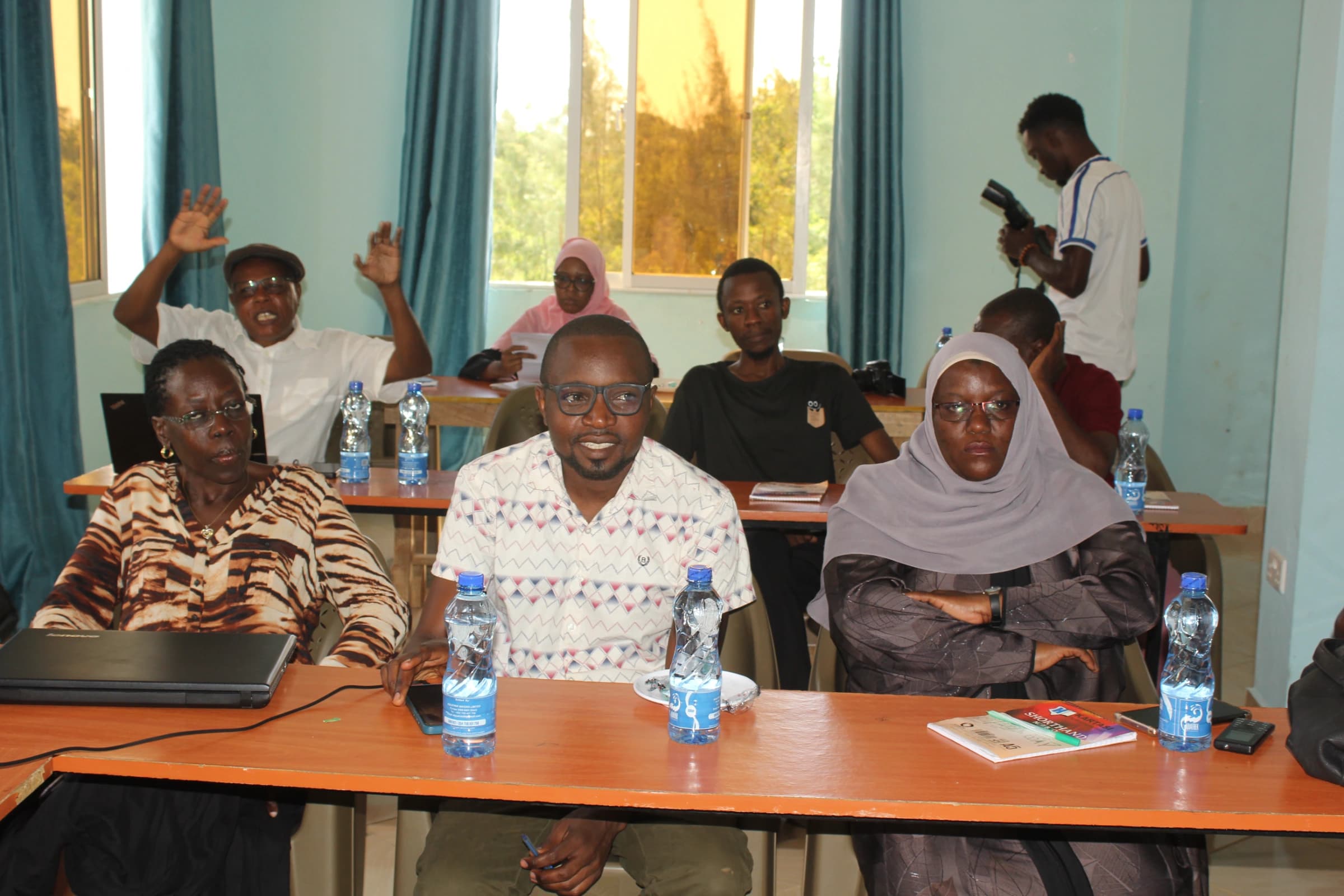




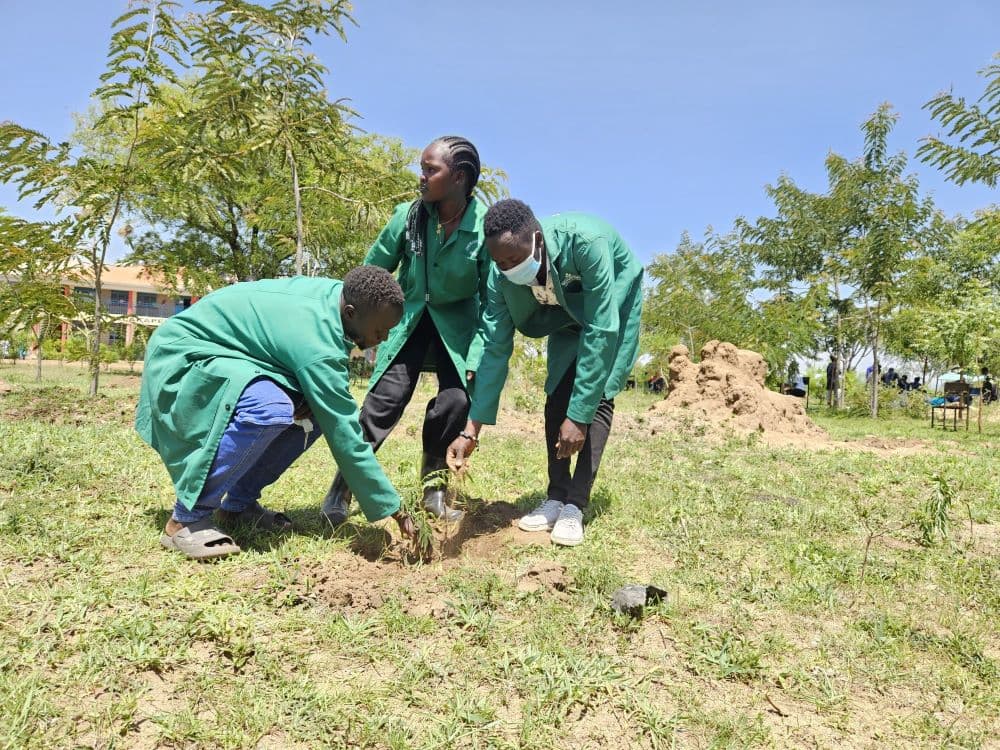
At a time when climate realities are no longer distant projections but lived experiences across communities, the initiative by Kitelakapel Technical Training Institute, in partnership with the National Environment Management Authority (NEMA) and the Kenya Red Cross Society in West Pokot County, stands as a powerful symbol of hope, responsibility, and forward-thinking action.
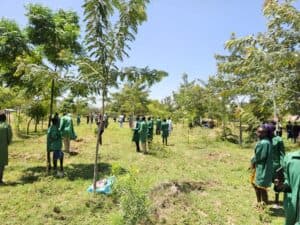
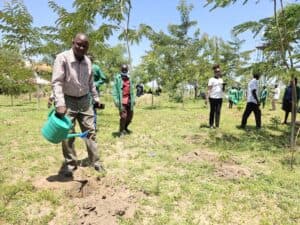
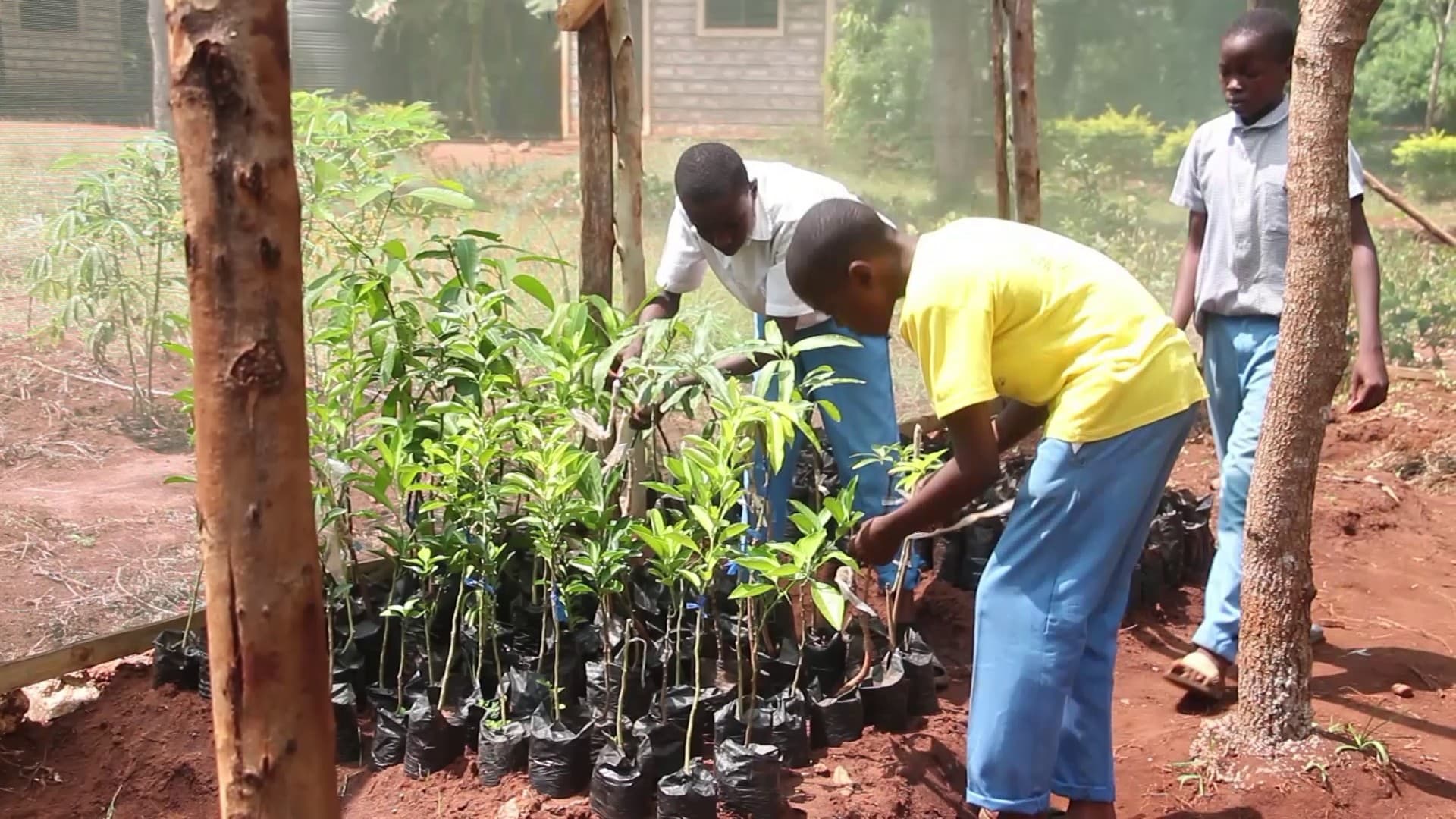
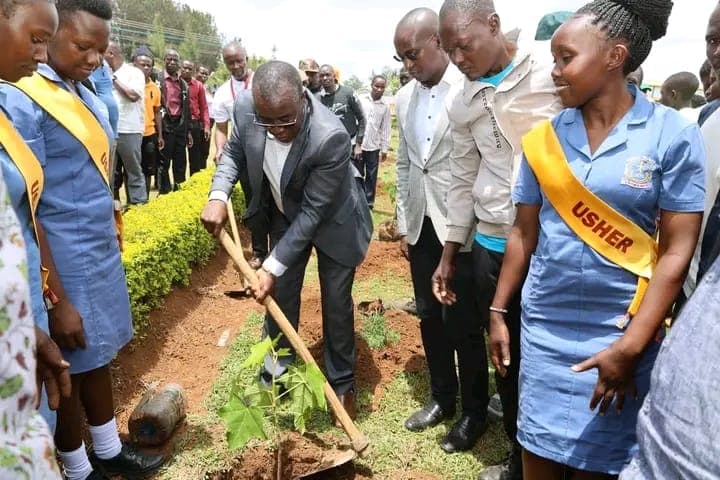
The launch of a tree planting exercise at the institution—under the broader TVET Greening Initiative—is not merely an environmental activity but a deliberate investment in the future. Spearheaded by the institute’s Greening Champion, Omwega Marwanga, the ambitious plan to plant over 2,000 tree seedlings reflects a growing recognition that institutions of learning must go beyond academic instruction and actively shape sustainable societies.
Trees are not just silent features of our landscapes; they are the backbone of life itself. In Kenya and across the world, trees play a critical role in regulating climate, conserving biodiversity, protecting water catchment areas, and supporting livelihoods. They absorb carbon dioxide—the primary greenhouse gas driving climate change—and release oxygen, thereby sustaining the delicate balance of life on Earth. In regions such as West Pokot, where environmental degradation, erratic rainfall, and soil erosion threaten both agriculture and livelihoods, the role of trees becomes even more urgent and indispensable.
Globally, the importance of trees has been amplified by the escalating climate crisis. From the Amazon rainforest to the Congo Basin, forests are often referred to as the “lungs of the Earth.” Their destruction has far-reaching consequences, including rising global temperatures, loss of biodiversity, and increased vulnerability to natural disasters. Conversely, restoration efforts—such as tree planting—offer one of the most accessible and effective solutions for climate mitigation and adaptation.
Kenya has taken a bold and commendable step in this global fight. The country has set an ambitious target of planting 15 billion trees by 2032 under the national tree-growing and restoration campaign. This initiative aligns with global commitments such as the Paris Climate Agreement and underscores Kenya’s leadership in environmental conservation. Achieving this target requires a whole-of-society approach—government agencies, private sector players, communities, and, crucially, educational institutions.
This is where Kitelakapel Technical Training Institute’s initiative finds its deeper significance. By integrating environmental conservation into the fabric of technical and vocational education, the institution is nurturing a generation that is not only skilled in trades but also conscious of their ecological footprint. The TVET Greening Initiative is a transformative concept—it ensures that trainees understand that sustainability is not an abstract ideal but a practical responsibility embedded in everyday actions.
Planting over 2,000 seedlings may appear modest when viewed against the national target of billions, but its real value lies in the ripple effect it creates. Each seedling represents a lesson in responsibility, a commitment to future generations, and a step toward restoring degraded ecosystems. More importantly, it signals a shift from policy to practice—from promises to planting, and from rhetoric to results.
The collaboration with NEMA ensures that the exercise is guided by environmental best practices, including the selection of appropriate tree species, proper planting techniques, and long-term care strategies. Meanwhile, the Kenya Red Cross brings in a humanitarian dimension, emphasising the link between environmental sustainability and human well-being. Climate change is not just an environmental issue—it is a humanitarian one, affecting food security, water availability, health, and livelihoods.
In Kenya, the importance of trees is deeply intertwined with economic survival. Agriculture, which employs a significant portion of the population, is highly dependent on stable climatic conditions. Trees contribute to soil fertility, prevent erosion, and enhance water retention—factors that directly influence crop yields. Additionally, they provide timber, fuelwood, medicinal products, and income-generating opportunities, particularly in rural areas.
Beyond economics, trees also hold cultural and social significance. Many communities in Kenya have traditionally revered certain tree species as sacred or symbolic. Reviving tree planting initiatives, therefore, is not just about environmental restoration; it is also about reconnecting with cultural heritage and traditional knowledge systems that have long emphasised harmony with nature.
However, tree planting must go beyond ceremonial events. The real challenge lies in nurturing the seedlings to maturity. Survival rates often determine the success of such initiatives. This calls for sustained commitment—regular watering, protection from grazing, and community involvement. Institutions like Kitelakapel Technical Training Institute are well-placed to ensure this continuity, as they have structured environments and dedicated personnel to oversee long-term care.
As Kenya strives toward its 15 billion-tree target, initiatives such as this serve as building blocks for national success. They demonstrate that the journey to environmental sustainability is not confined to policy documents and high-level discussions—it is rooted in grassroots action. Every institution, every community, and every individual has a role to play.
The story unfolding at Kitelakapel Technical Training Institute is, therefore, more than a local event—it is part of a national and global narrative of resilience and renewal. It is a reminder that while the challenges of climate change are immense, the solutions are within our reach. By planting trees, we are not just restoring landscapes; we are restoring hope.
In the end, the true measure of this initiative will not be the number of seedlings planted, but the number of trees that grow, thrive, and stand tall for generations to come—silent witnesses to a moment when a community chose to act, to care, and to invest in a greener future.
By Hillary Muhalya
You can also follow our social media pages on Twitter: Education News KE and Facebook: Education News Newspaper for timely updates.
>>> Click here to stay up-to-date with trending regional stories
>>> Click here to read more informed opinions on the country’s education landscape

Reader Discussion (0)
Sign in to comment