







A must-read for principals, teachers and parents
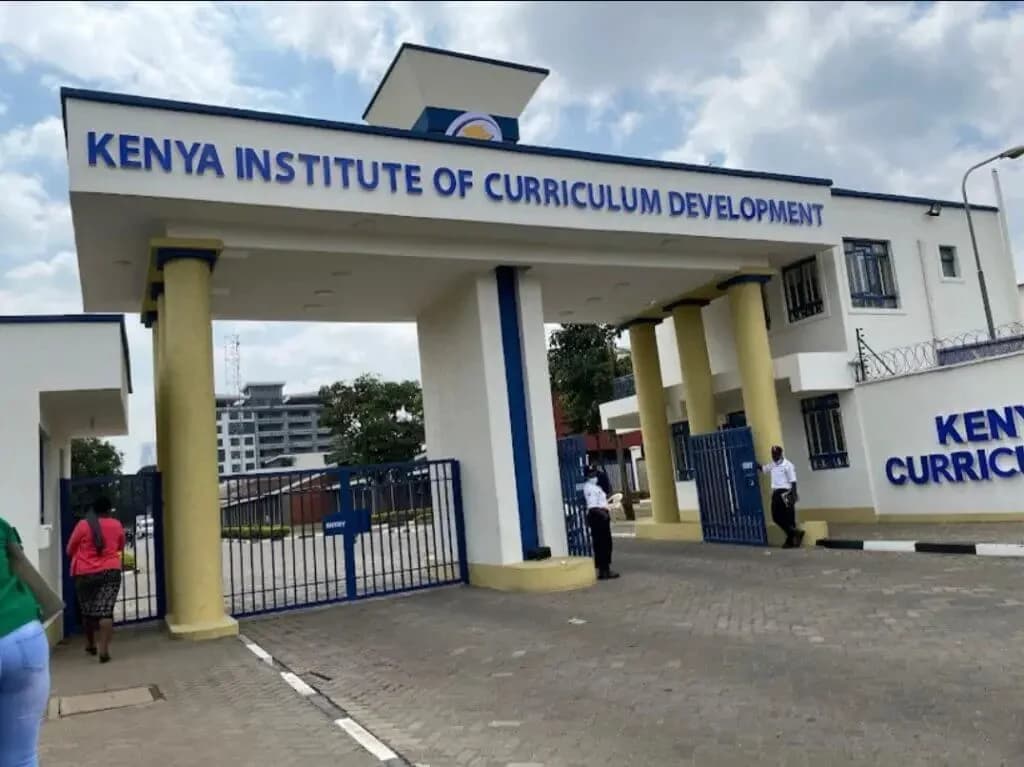
When the Kenya Institute of Curriculum Development (KICD) last week issued a fresh directive to every public senior school principal in the country, it didn’t just drop another memo into an already crowded inbox. At the heart of the directive is a seemingly simple yet critical matter: accurate data on Grade 10 learners and the distribution of textbooks. This is a key step in ensuring that Kenya’s ambitious Competency‑Based Education (CBE) rollout delivers effectively for millions of learners across the country.
The directive, issued under the leadership of Prof. Charles Ong’ondo Ochieng, asks principals to submit updated figures on the number of learners by subject and details of textbooks already received, with a deadline of April 10, 2026. Prof. Ong’ondo has emphasised that the move is not merely administrative, but a corrective measure aimed at ensuring equity and efficiency in the new senior school system. His leadership in this process signals the seriousness with which KICD is treating the challenges emerging from the first phase of textbook distribution.
This directive coincides with the completion of the first phase of Grade 10 textbook distribution. However, reports from schools indicate mismatches that could undermine teaching, learning, and equity if left unaddressed. Some schools received too many textbooks, others too few, and a few were left with none at all. Accurate data is therefore essential to ensure that every learner receives the resources they need to succeed under the CBE model.
To understand why this matters, one must consider the context of the Grade 10 transition. For the first time in Kenya’s history, senior school (Grades 10–12) operates under a Competency-Based Education model, designed to cultivate skills, critical thinking, and real-world competencies, rather than merely preparing students for terminal exams. Unlike the old system, where students largely followed a uniform subject list, the CBE model allows learners to take core subjects alongside specialised electives, tailored to their interests and career pathways. This shift is transformative but also complicates the logistics of effectively resourcing schools.
Textbooks, while not the only drivers of learning under CBE, remain essential. They support learners in tackling complex concepts, guide teacher planning, and provide structured opportunities for practice and assessment. Without the right textbooks, learning outcomes are weakened, particularly in specialised subjects where materials are scarce. Consequently, KICD’s directive seeks to ensure that every learner has access to the resources they need for a meaningful learning experience.
The first phase of Grade 10 textbook distribution, based on enrolment data initially provided by the Ministry of Education (MoE), revealed significant gaps. Some schools reported receiving excess textbooks, while others had insufficient copies. KICD identified that these discrepancies largely resulted from the initial data not reflecting actual school-level enrolments or subject choices. Some learners changed subjects after initial registration, and schools did not always update their information, leaving allocations misaligned with real demand.
To correct these issues, KICD now requires accurate, school-level data as soon as possible. Principals must provide the current number of Grade 10 learners per subject and the total number of textbooks received per subject during the first distribution phase. This data will inform the second phase of textbook distribution, which aims for a strict one-textbook-per-learner-per-subject ratio, as mandated by government policy. This is not a mere bureaucratic exercise; it is a corrective mechanism to ensure that no learner is disadvantaged due to inaccurate data.

Prof. Charles Ong’ondo, Director of KICD
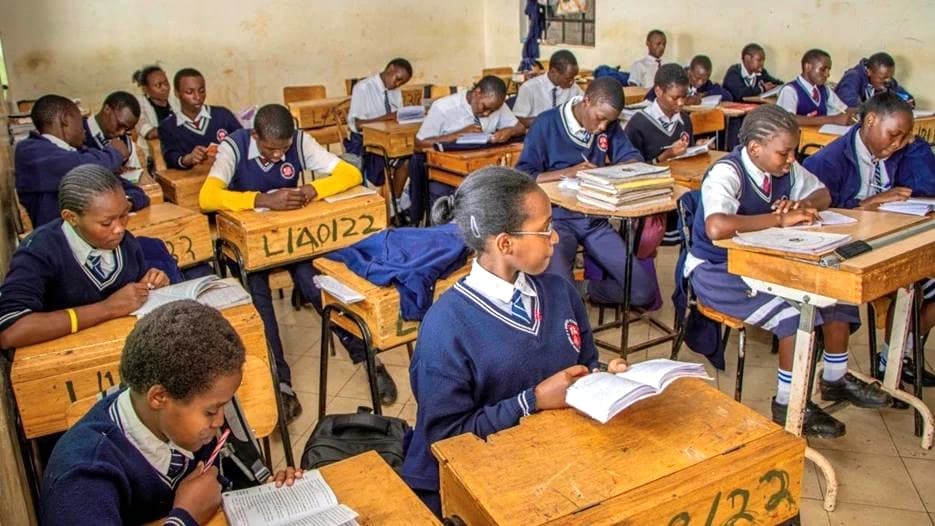
The implications of this directive go beyond numbers. In many schools, particularly those in underserved or rural areas, students began the first term of Grade 10 with fewer textbooks than required, while others received excess copies that remain unused. Such imbalances create educational inequity, as access to knowledge becomes dependent on location or school management. Accurate enrolment and textbook data are the first steps toward fairness in resource allocation, ensuring every learner can access the tools they need.
Textbooks also enhance instructional quality. Serving as extensions of lesson plans, they enable learners to engage with material at their own pace and depth, reinforcing classroom teaching. When every learner has the required textbooks, teachers can confidently assign reading, exercises, and projects that develop critical thinking and problem-solving skills. Conversely, a lack of textbooks diminishes teaching effectiveness and weakens learners’ ability to master competencies.
Additionally, the directive promotes a culture of data discipline in schools. Principals and administrators are now expected to maintain up-to-date records on enrolment and resource inventories. Such practices benefit schools beyond textbook distribution, supporting teacher deployment, attendance tracking, budget management, and preparation for the subsequent academic year. Stronger data systems strengthen school administration and enable evidence-based decision-making.
The updated data will also inform planning for Grades 11 and 12, ensuring continuity and consistency as learners progress through senior school. By stabilising the flow of learning resources throughout the senior secondary cycle, KICD aims to create a system that supports learners’ long-term success and minimises disruptions in their educational journey. This long-term perspective is essential for a sustainable and effective CBE rollout.
However, the rollout of Grade 10 under CBE has faced additional challenges. Alongside textbook distribution issues, schools have reported shortages of teachers qualified to teach new subject combinations, gaps in facilities, and the broader logistical pressures of implementing a new curriculum. Teacher shortages, in particular, place additional strain on schools, with some classes struggling to find instructors for core and elective subjects. When combined with resource shortages, these challenges can slow curriculum delivery and hinder learner progress.
Critics have argued that the government should prioritise foundational issues such as staffing and infrastructure to relieve pressure on schools. Yet, the KICD textbook directive represents a critical piece of the broader puzzle, ensuring that learners have the basic tools they need to succeed. By addressing the distribution of textbooks, KICD is taking a proactive step toward ensuring that policy reforms translate into tangible benefits for learners on the ground.
This directive also carries significance for parents and educators. For parents, it assures them that their children will receive the correct textbooks for every subject, reducing the financial burden of buying supplementary materials and ensuring school supply gaps do not disadvantage learners. For teachers, accurate resource inventories mean more effective lesson planning, less improvisation, and greater confidence that learners can practise competencies both in and out of the classroom. For learners, having access to all required textbooks removes barriers to self-study, encourages engagement with core concepts, and supports better outcomes in continuous assessments.
In conclusion, what might have appeared to be an administrative reporting requirement is, in fact, a strategic intervention at a pivotal moment in Kenya’s educational history. By collecting accurate data on Grade 10 learners and textbooks, KICD demonstrates a commitment to getting the basics right — ensuring fairness, accountability, and responsiveness in the distribution of learning materials. The success of the CBE senior school phase depends not just on visionary policy, but on functional systems that deliver resources where they are needed most: in the hands of learners.
READ ALSO: KICD urges principals to submit updated Grade 10 enrollment data to fix textbook distribution gap
As schools respond to this directive and as KICD uses the updated data to guide subsequent textbook distributions, the outcome will set the tone for the entire senior school CBE rollout. For principals, teachers, parents, and learners alike, this is more than data; it is a foundation for equitable, meaningful, and competency-driven learning.
By Hillary Muhalya
You can also follow our social media pages on Twitter: Education News KE and Facebook: Education News Newspaper for timely updates.
>>> Click here to stay up-to-date with trending regional stories
>>> Click here to read more informed opinions on the country’s education landscape
>>> Click here to stay ahead with the latest national news.




Reader Discussion (0)
Sign in to comment