






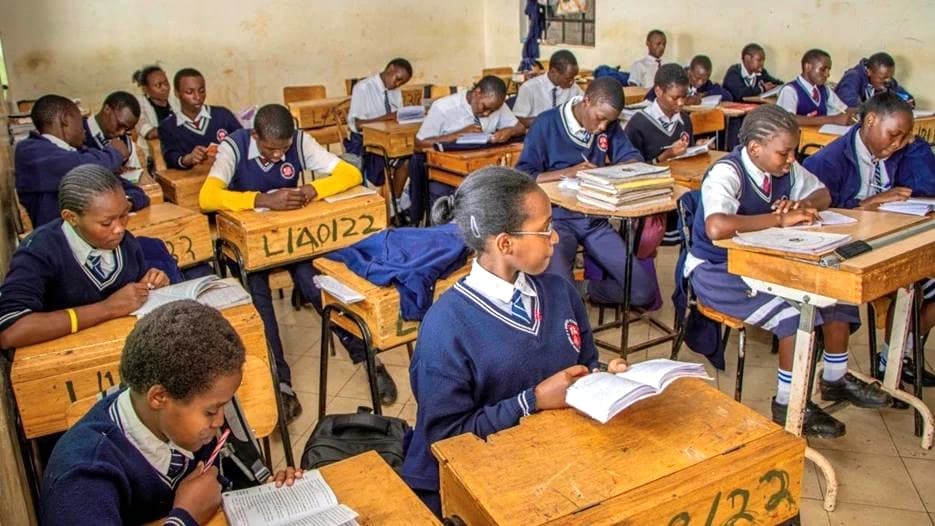


Campus life is often marketed as a structured academic journey – lectures, assignments, exams and ultimately, a degree. Yet, beneath this formal framework lies a far more influential and enduring education. It is an education shaped not by syllabi, but by freedom, failure, friendships and finances. These four forces quietly but powerfully sculpt the student into an adult, often in ways the classroom never anticipates.
Freedom is the first and most intoxicating reality a student encounters. For many, campus represents the first taste of autonomy – no parents, fewer rules and an open schedule that demands self-regulation. This freedom is both an opportunity and a test. Some students thrive, discovering discipline, time management and purpose. Others stumble, overwhelmed by choices and distractions. The absence of constant supervision reveals character. It forces students to answer difficult questions: Who am I when no one is watching? What do I prioritise when everything is optional? In this space, habits are formed – some constructive, others destructive – and these habits often outlast the degree itself.
Failure, too, becomes an unrelenting but necessary teacher. Unlike the relatively controlled environment of earlier schooling, campus life introduces students to real consequences. Failed exams, missed deadlines, broken relationships and poor decisions all converge to create a crucible of growth. Failure strips away illusion. It confronts students with their limitations and forces them to reflect. While classrooms may penalise failure with grades, life on campus broadens the meaning of failure. It becomes emotional, social and sometimes financial. Yet within failure lies resilience. Students learn to recover, adapt, and persist. These lessons are rarely captured in transcripts, but they define future success more than any grade ever could.
Friendships form the emotional backbone of campus life. In the absence of family, peers become support systems, mirrors and sometimes, influences that shape identity. These relationships are not merely social; they are developmental. Through friendships, students learn empathy, conflict resolution, loyalty and trust. They are exposed to diverse perspectives, cultures and worldviews that challenge their assumptions. A roommate’s habits, a friend’s ambition, or a peer’s struggles can profoundly alter one’s outlook on life. At the same time, friendships test boundaries. Not all are positive. Some lead to distraction, peer pressure or unhealthy choices. Navigating these relationships becomes a lesson in discernment – knowing who to keep close and who to keep at a distance. In this way, friendships become both a refuge and a proving ground for emotional intelligence.
Finances introduce a sobering dimension to campus life. For many students, this is the first encounter with financial responsibility. Budgeting limited resources, managing allowances or loans and making daily spending decisions become unavoidable realities. Money, or the lack of it, shapes experiences. It determines where one lives, what one eats and sometimes, whether one can focus on academics without distraction. Financial strain often forces students into part-time work or entrepreneurial hustles, teaching them the value of effort and resourcefulness. It also exposes inequalities. Some students navigate campus with relative ease, while others constantly negotiate survival. These experiences cultivate financial literacy, resilience and in many cases, a deep appreciation for opportunity. Long after graduation, the lessons learned from managing scarcity or abundance continue to influence decisions.
What makes these four forces – freedom, failure, friendships and finances – so powerful is their interconnectedness. Freedom can lead to failure if mismanaged. Failure can reshape friendships. Friendships can influence financial decisions. Finances can limit or expand one’s freedom. Together, they create a dynamic ecosystem that continuously shapes the student’s character.
The classroom, by contrast, operates within defined boundaries. It delivers knowledge, assesses understanding and rewards performance. It is essential, but it is limited. It cannot fully replicate the unpredictability of real life. It cannot simulate the emotional weight of failure outside academics, the complexity of human relationships, or the urgency of financial constraints. These experiences occur in the unstructured spaces of campus life—in hostels, cafeterias, group discussions, and quiet moments of personal reflection.
Ultimately, campus life is less about acquiring information and more about undergoing transformation. It is a period where students transition from dependence to independence, from certainty to questioning, and from potential to emerging identity. The degree marks academic achievement, but the real qualification lies in the unseen growth—the discipline forged through freedom, the resilience built through failure, the wisdom gained through friendships, and the responsibility learned through finances.
READ ALSO: From orientation to graduation: A journey of the highs and lows of campus life.
In the end, what defines a graduate is not just what they know, but who they have become. And in that regard, the most important lessons of campus life are taught far beyond the walls of the classroom.
By Esther Wanjiru
Esther is a fourth-year undergraduate student in Culinary Arts at Kenyatta University.
You can also follow our social media pages on Twitter: Education News KE and Facebook: Education News Newspaper for timely updates.
>>> Click here to stay up-to-date with trending regional stories
>>> Click here to read more informed opinions on the country’s education landscape



Reader Discussion (0)
Sign in to comment