




Five years down the line, reflecting on how he gambled with a small charitable gesture, he wonders how the whole concept came about. What baffles him even more is the enormous support he received from well-wishers and friends. The small seed planted some five years ago has now blossomed into a central hub that hosts hundreds of vulnerable children.
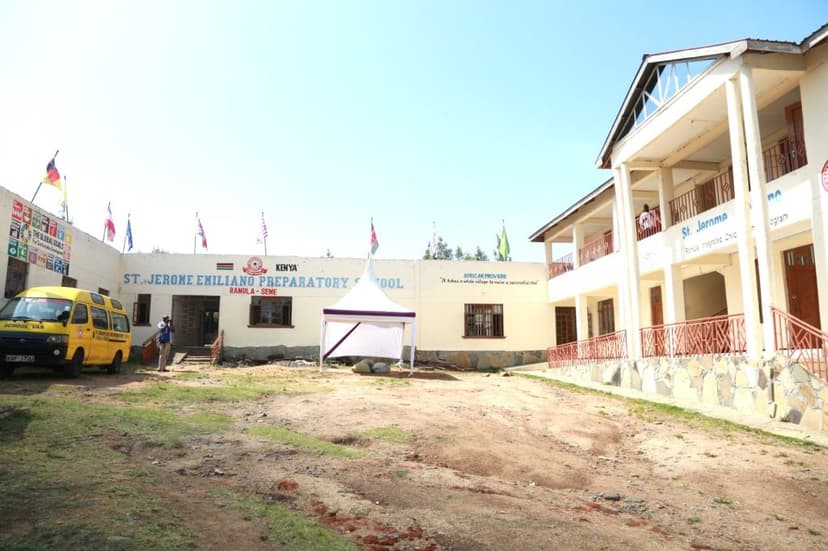
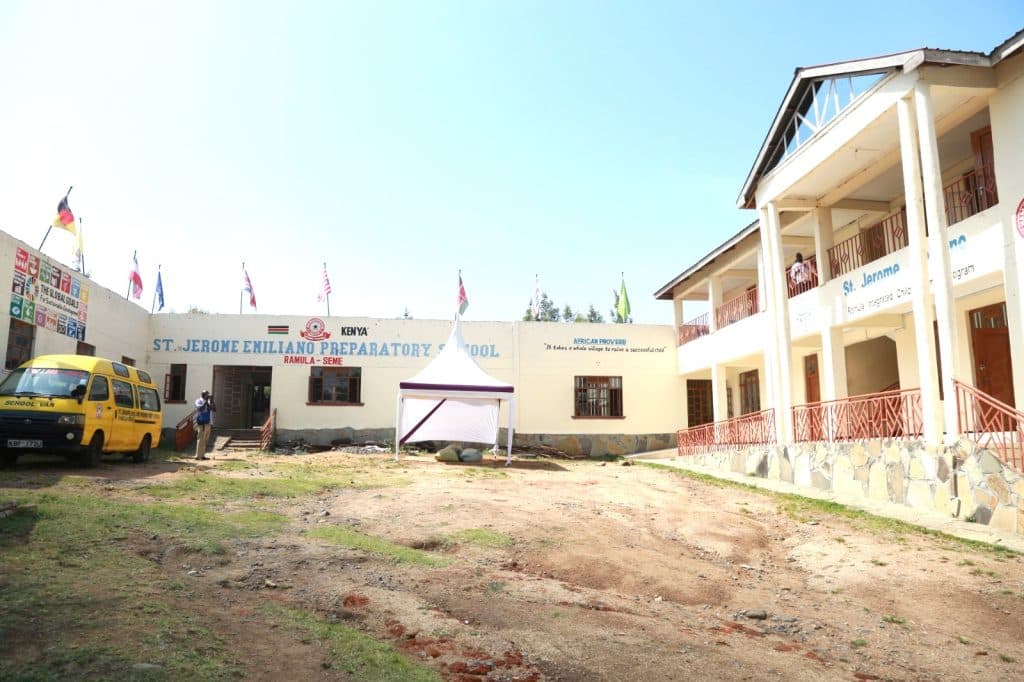
That is Elly Opondo, the voluntary director of St. Jerome Emiliano Ramula Preparatory School in Seme Sub-county.
Opondo, who is still baffled at the whole idea, says he started by feeding a few children, which he later sent on Facebook.
“Somebody asked me whether I am nowadays running a children’s home, and I promptly said Yes,” he says.
Opondo says more people have now started contributing to the feeding program, which is now attracting hundreds of children in Seme Sub-county.
Today, Opondo says with a broad smile that they run various community-centred initiatives, including a school feeding programme, a girls’ empowerment project targeting teenage mothers who receive tailoring training and a scholarship program targeting bright learners from needy backgrounds.
Opondo, however, says they have had to grapple with donor fatigue, which forced them to close operations temporarily.
He says his own mother had to sell some of the animals to help feed the children.
Opondo says they are planning to set up a dispensary at the facility while also offering vocational training, such as tailoring.
He says they have now reverted to individual donations instead of corporate donations.
READ ALSO:
https://educationnews.co.ke/how-kjsea-marks-will-shape-learners-placement-in-the-expanding-cbe-era-2/
The director says the school feeding program started five years ago after an Asian community mobilised resources and appreciated him with over Sh300,000 for a role he played in ensuring peaceful co-existence during one of Kenya’s post-election skirmishes.
He says his family donated the land that hosts the school feeding program, before transitioning into a school well on course to produce the first Grade 6 class in 2026.
Opondo said that, through donations, they are also building a level-three health facility that will become operational by February 2026.
The facility, he says, will offer low-cost health services to the locals.
And with the school feeding program, education and health needs increasing daily, Opondo urges well-wishers from within and without to continue extending their support for the community’s well-being.
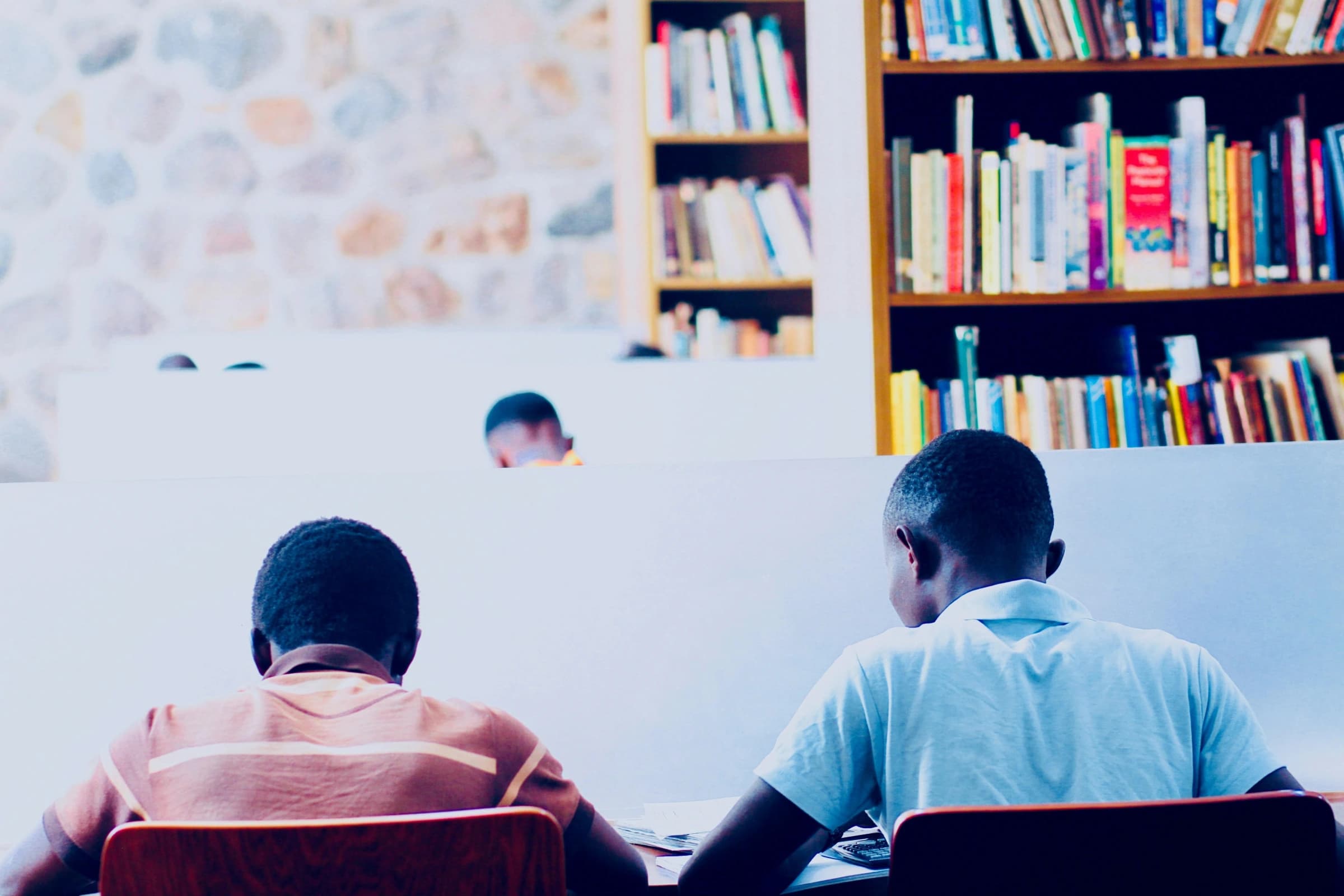
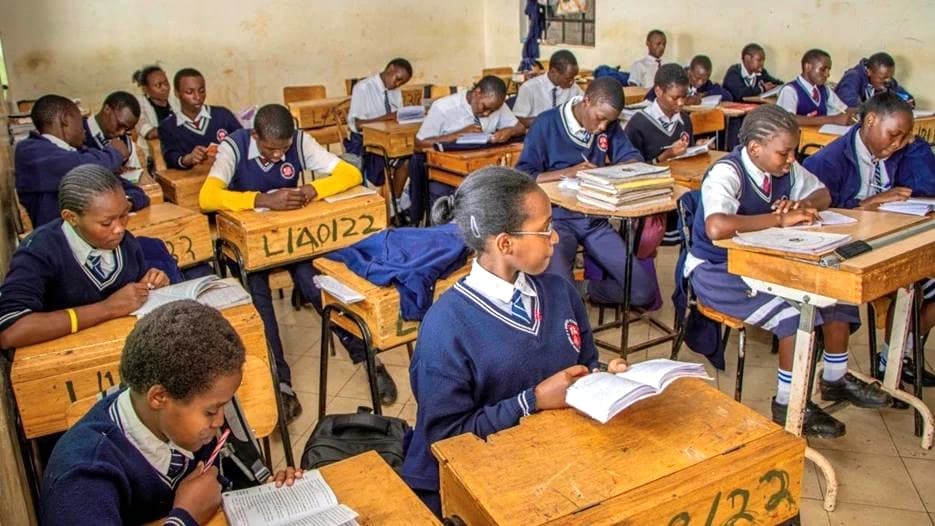
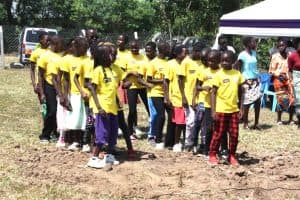
Under the school feeding project, he says, they are supporting between 240 and 280 children from the preparatory section and two neighbouring schools with hot lunchtime meals five days a week, with support from corporate and individual sponsors.
“Big impact is achieved through low-cost donations. It is easy for one to donate less than a dollar to feed a hungry child,” he says.
According to his calculations, Sh40-45 is spent on a child per day, translating to over Sh8,846 per child per year.
He says that means a total of Sh2.3 million is allocated to the school feeding program per year.
“The funding is what has been keeping the organisation running, and we are using an average of Sh2.3 million every year to cater for the school feeding program of about 250 to 300 children and other co-curricular activities,” Mr Opondo said.
He says the learning institution is equipped with the much-needed and well-equipped ICT and Health centres, as well as Women Empowerment and Scholarship programs.
According to Opondo, teen mothers and school-dropout mothers are assisted with women empowerment programs.
“Under the scholarship programs, we have so far supported 37 vulnerable children through different secondary schools such as Ngere Boys, Rang’ala Boys, Ng’iya Girls, Kakamega Boys, Lwak Girls, and Butere Girls,” Opondo said.
He explains that they will also be supporting a host of local schools through universities, with the first cohort who sat for their KCSE exams this year awaiting their results.
Nyikal advised the government to make the feeding program optional for the parents.
“Jerome Emiliano School had been a blessing to the community and more so to the vulnerable families since it was started as a school that only admits children from poor backgrounds, as the school takes care of their feeding program,” he says.
Nyikal added that they have been at the forefront of helping acquire learning materials for the children, with support from national, international, and individual donations. “This is an initiative that we must uphold as a community and embrace it wholeheartedly,” Nyikal says.
He assured the residents that once the House resumes after recess, legislators will look into issues such as social protection to care for vulnerable children.
“We are going to raise the school feeding issue in Parliament by drumming up support against it,” he says as he stressed that it is a burden to parents who have children in junior secondary schools.
Nyikal said that parents are still struggling to understand how CBE works, as some have children in junior secondary schools and others in universities.
The MP who says the proposal, which is yet to be presented to Parliament, comes on the backdrop of families grappling with the underfunded secondary and university education system
“You know, these same parents have children in junior school, they have children in secondary school, they have children in university, and they are struggling all too. Our university funding is working, but has not worked very well. The secondary school funding, the capitation, is not working very well,” says Nyikal.
The funding model in universities, he says, has also not been picked up well on the capitation.
“We will have to review it as this comes in when we will have a major transition for the first time for Senior schools.”
Opondo, however, also faults the government’s proposed Sh3,000 lunch levy for junior secondary school (JSS) learners per term, warning that it risks placing an unbearable burden on parents.
“Sh3,000 is too much for the local people, especially in junior secondary. And in fact, most parents have five to six kids in the junior secondary or primary section,” he says.
“If you again force them to pay Sh3,000, the majority of the kids, instead of learning, they are under trees. Or they are being sent home,” added Opondo.
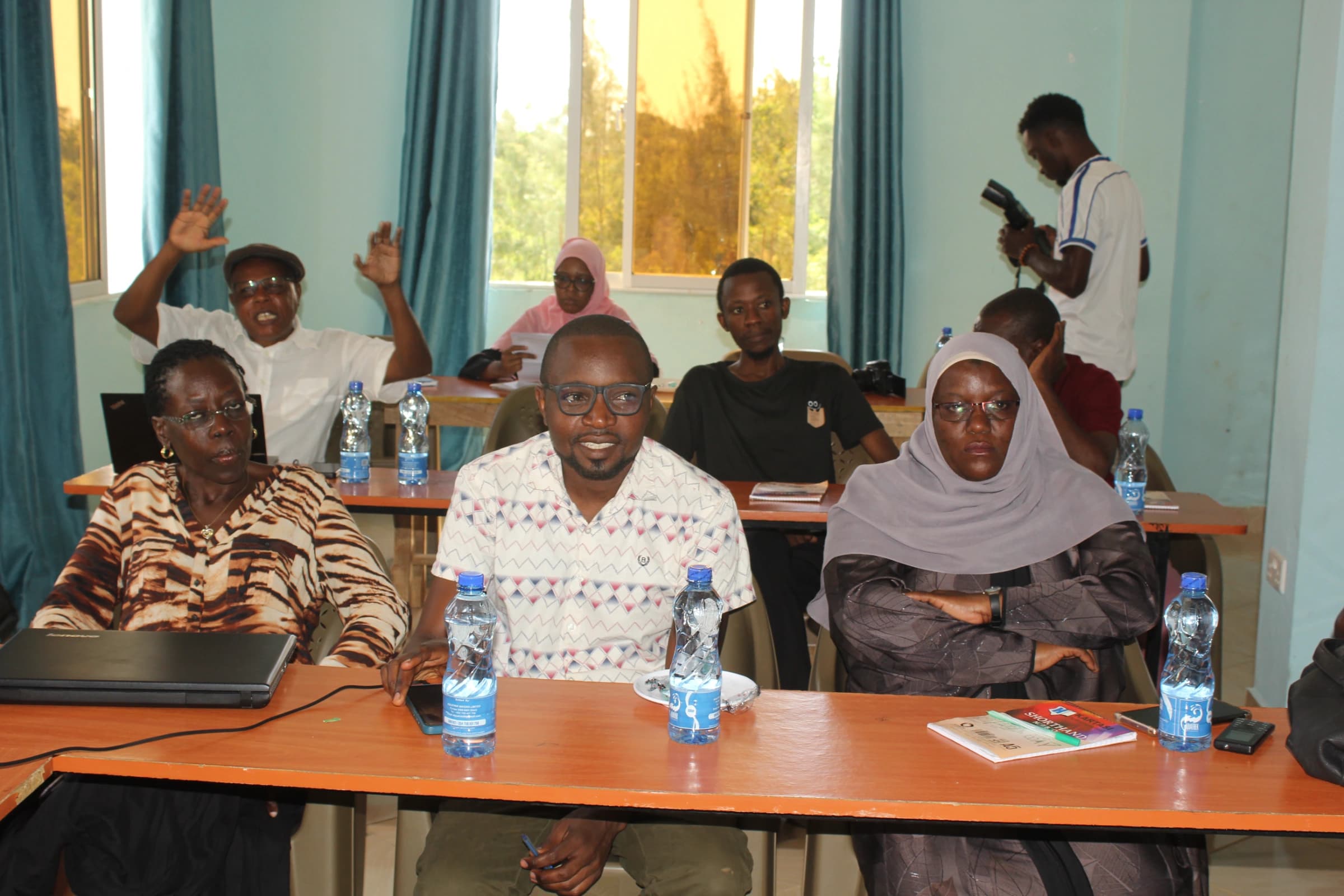
The legislature promised to formally raise the matter when Parliament resumes after the Christmas and New Year break.
Earlier, West Seme ward MCA George Abaja promised to push for a water project to be initiated inside the charitable institution.
He said they are in talks with the relevant departments to fast-track the same.
Abaja said he has personally brought needy students to the institution.
By Fredrick Odiero
>>> Click here to stay up-to-date with trending regional stories
>>> Click here to read more informed opinions on the country’s education landscape


Reader Discussion (0)
Sign in to comment