








For decades, Kenya’s teachers have carried a silent but heavy burden—stagnation. It is a wound that festers quietly in staffrooms, in deputy offices, and in the hearts of headteachers who wake up before dawn to lead schools in the harshest of conditions, yet retire at Grade D1 with nothing to show for their sacrifice. Classroom teachers, the backbone of learning, remain trapped at C3, despite years of service, qualifications, and dedication. In many schools, the stories are eerily similar: a teacher who has served thirty years, delivered excellent results, mentored hundreds of learners, yet sees no upward movement unless they abandon the classroom for an administrative post. The message is unmistakable: excellence alone does not guarantee growth—administration does.
The consequences of this stagnation are felt in every corner of the education system. Staffrooms are tense. Teachers whisper anxiously about the following administrative interview, not because they are called to leadership, but because it is the only path to career survival. Promotions have become scarce prizes, sparking unhealthy competition, mistrust, and, at times, outright resentment among colleagues. In one rural primary, a long-serving headteacher sighs quietly over her morning coffee, wondering why her three decades of leadership count for nothing more than a D1 grade. In the same school, a senior teacher peers over lesson plans, knowing that if he does not chase the next deputyship post, his career will stagnate forever. These are not isolated stories—they are repeated across the country, quietly eroding morale, dividing staff, and undermining the very system that should inspire excellence.
The situation has forced teachers into difficult decisions. Most flock to administrative interviews not out of passion for leadership, but because of the benefits, allowances, and improved remuneration that come with these roles. Administration has become less about leading schools and more about escaping stagnation. In many cases, teachers who would rather remain in the classroom feel compelled to apply for positions they never wanted to survive in a profession that refuses to reward classroom excellence. This systemic flaw is not just unfair—it is corrosive. It distorts career paths, undermines genuine leadership, and teaches teachers that loyalty, skill, and performance are secondary to strategic manoeuvring for promotion.
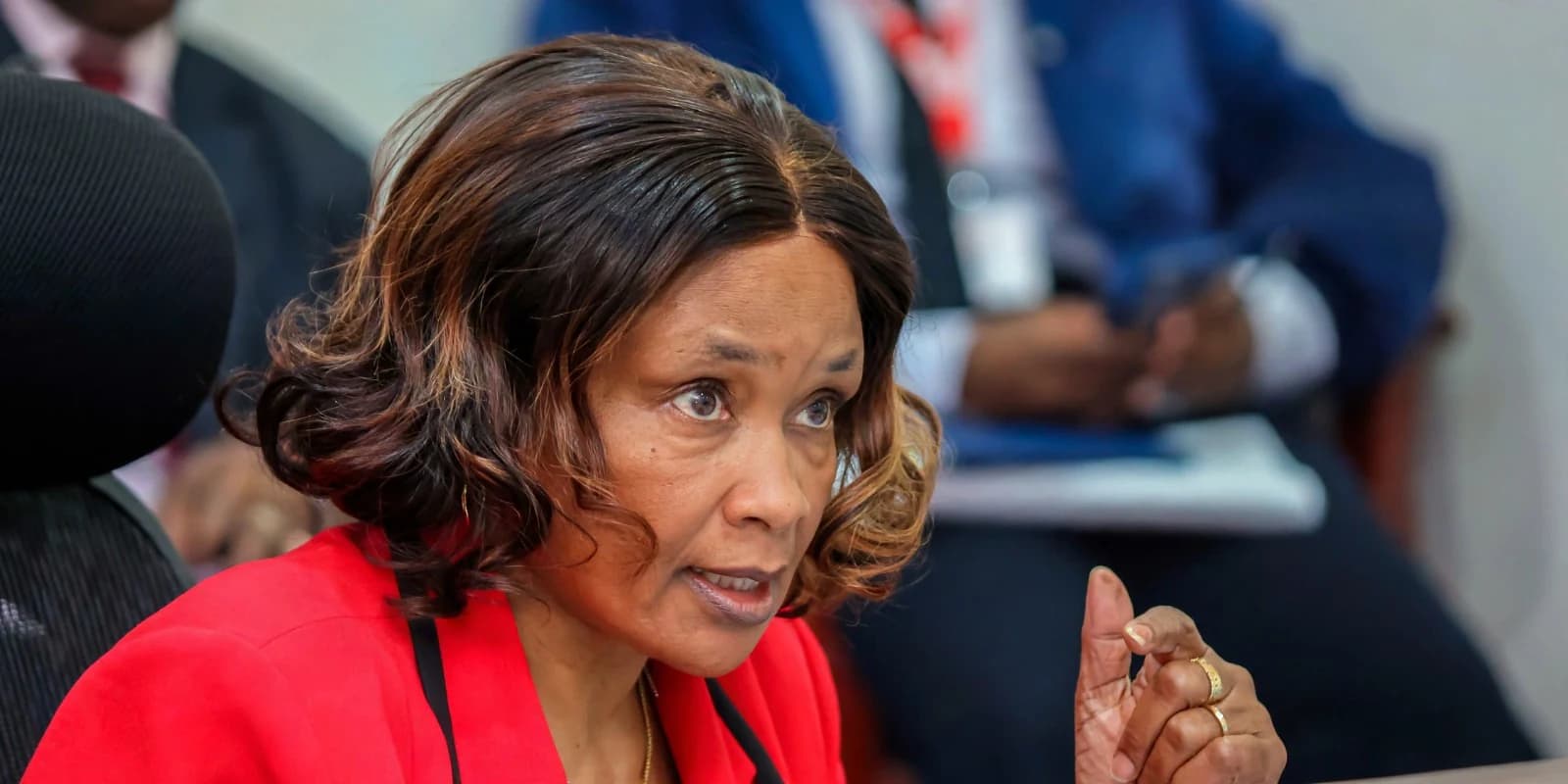
At the centre of this urgent reform is the Teachers Service Commission (TSC), now undertaking a review of the Career Progression Guidelines (CPG). The review is being led by Commissioner Sharon Kisire and Commissioner Timon Oyucho, whose task is monumental. They are not simply updating policy; they are confronting decades of neglect, inequity, and demoralisation that have built up within Kenya’s education system. The stakes could not be higher. If the review yields only cosmetic adjustments, it will be yet another exercise in futility, leaving teachers stuck where they have long been.
The injustices are apparent. Primary headteachers, who manage entire institutions, shoulder the weight of implementing the Competency-Based Curriculum (CBC), handle community expectations, manage staff conflicts, and ensure learner progress, remain blocked at D1. Meanwhile, secondary school counterparts and deputies rise steadily. This disparity is not only unfair; it is damaging. It communicates that leadership in primary schools is worth less than leadership elsewhere, devaluing the role of educators who are arguably closest to the heart of learning.
Classroom teachers are no less affected. Those who excel in teaching, mentoring, and curriculum delivery, and who have demonstrated an unwavering commitment over decades, find themselves trapped at C3. Additional qualifications, workshops attended, results achieved—all these mean little under a system that links advancement too closely to administrative status. As a result, the teaching profession has created forced pathways in which talented educators are either pushed into leadership roles or left to stagnate. This is a system that punishes excellence, discourages loyalty to the classroom, and undermines the quality of education.
READ ALSO:
https://educationnews.co.ke/schools-scammed-the-costly-illusion-of-commercial-prediction-exams/
The impact is tangible. In staffrooms across Kenya, teachers exchange whispered frustrations: “I have taught for twenty-five years. I still cannot move beyond C3. If I don’t take a deputyship or headship, my career is over.” In rural schools, younger teachers watch these stagnated veterans and wonder whether dedication to classroom teaching is worthwhile. Morale dips, innovation stalls, and performance suffers. The very people who are supposed to inspire learning are weighed down by a system that devalues their labour.
The TSC has a chance to correct these injustices, but it requires bold action. Commissioners Kisire and Oyucho must design a system where promotions are fair, structured, and not tied exclusively to administrative posts. Teachers must be able to progress on merit, training, and classroom performance, with clear pathways beyond C3 for classroom educators and beyond D1 for primary heads. Recognition, financial incentives, and career mobility must no longer be privileges reserved for those willing to leave the classroom or pursue leadership roles—they must be guaranteed rights for all teachers who dedicate themselves to the nation’s learners.
An enhanced package across the board would have transformative effects. With higher salaries, allowances, and career incentives, teachers could choose whether to remain in classrooms or pursue administrative roles without fear of being penalised. Headteachers would feel valued for the enormous responsibilities they shoulder, and classroom teachers would finally see clear pathways for advancement. Healthy competition would replace toxic rivalry, morale would rise, and learners—the ultimate beneficiaries—would experience the results in more motivated and committed teachers.
Imagine a staffroom where veteran teachers stay because their contributions are recognised, where new teachers are motivated by clear career pathways, and where promotions are not fought over like scarce prizes but earned through excellence. This is the vision the TSC review must achieve. Anything less would perpetuate stagnation, frustration, and demotivation.
The reality is stark. Teachers have been waiting too long, and patience has turned into silent frustration. Years of unaddressed stagnation have eroded trust, morale, and even professional pride. The TSC’s review, under Kisire and Oyucho, is not just another policy exercise—it is a test of whether the Commission can finally restore dignity to the teaching profession. Bold, sweeping reforms are required. Cosmetic changes will only deepen disillusionment.
Kenya cannot build a modern, competitive education system on the backs of demoralised teachers. Learners, communities, and the nation’s future pay the price when the workforce responsible for shaping minds feels undervalued, trapped, and overlooked. The time for half-measures is over. The time for justice is now.
Commissioners Kisire and Oyucho have the opportunity to deliver a framework that acknowledges decades of neglect, corrects systemic injustices, and motivates the workforce. Teachers must be given predictable, fair, and merit-based career pathways, with improved remuneration and recognition across the board. This is the only way to restore morale, retain talent, and ensure that schools thrive under dedicated, inspired, and fairly treated professionals.
The country is watching. Teachers are watching. And history will remember whether this review was a turning point or another missed opportunity. For too long, educators have been trapped by outdated policy, forced into administrative posts for survival, and denied recognition for their contributions in classrooms. The time to fix this is now. Kenya’s teachers deserve justice, and the nation cannot afford to fail them.
By Hillary Muhalya
You can also follow our social media pages on Twitter: Education News KE and Facebook: Education News Newspaper for timely updates.
>>> Click here to stay up-to-date with trending regional stories
>>> Click here to read more informed opinions on the country’s education landscape
>>> Click here to stay ahead with the latest national news.



Reader Discussion (0)
Sign in to comment