

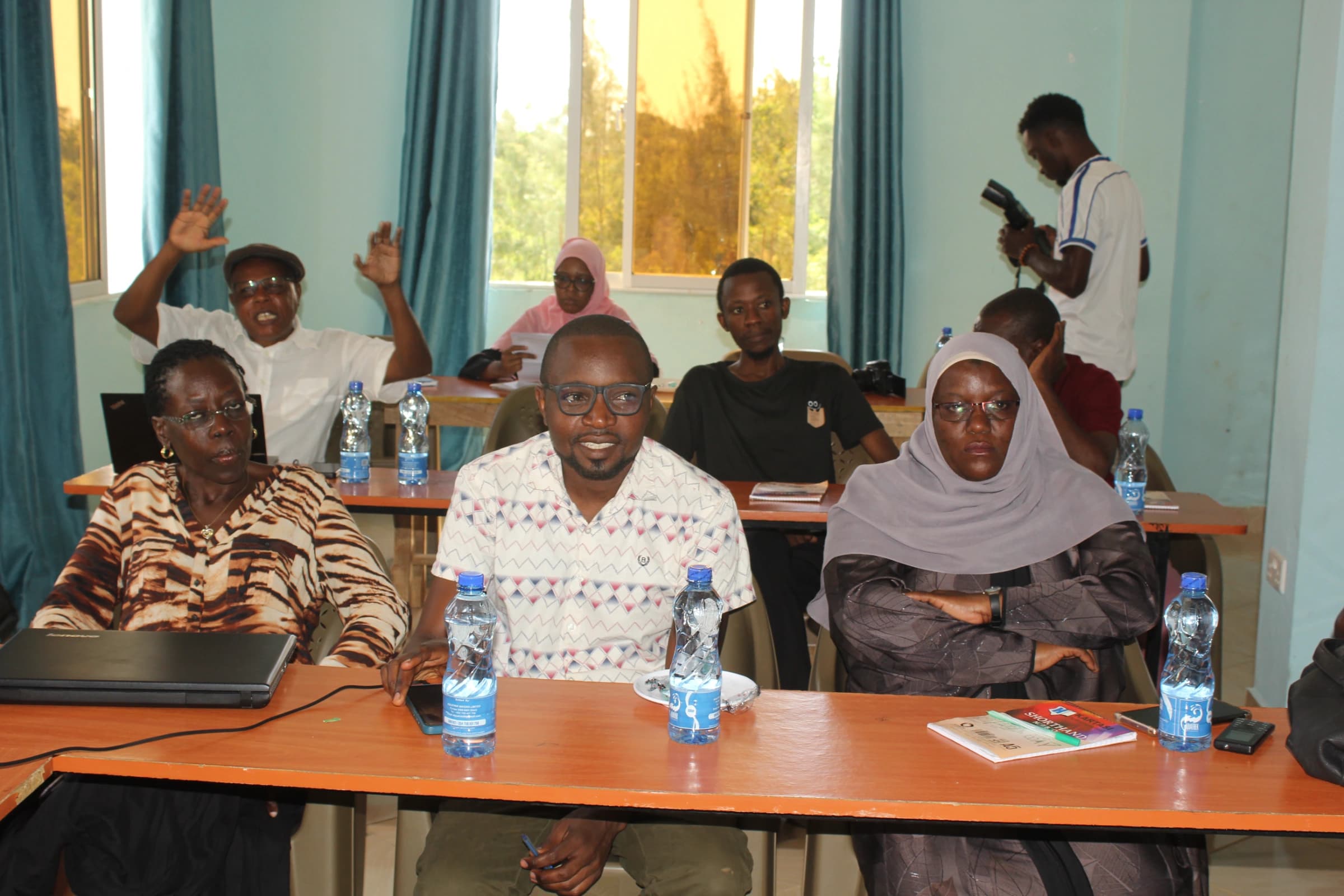

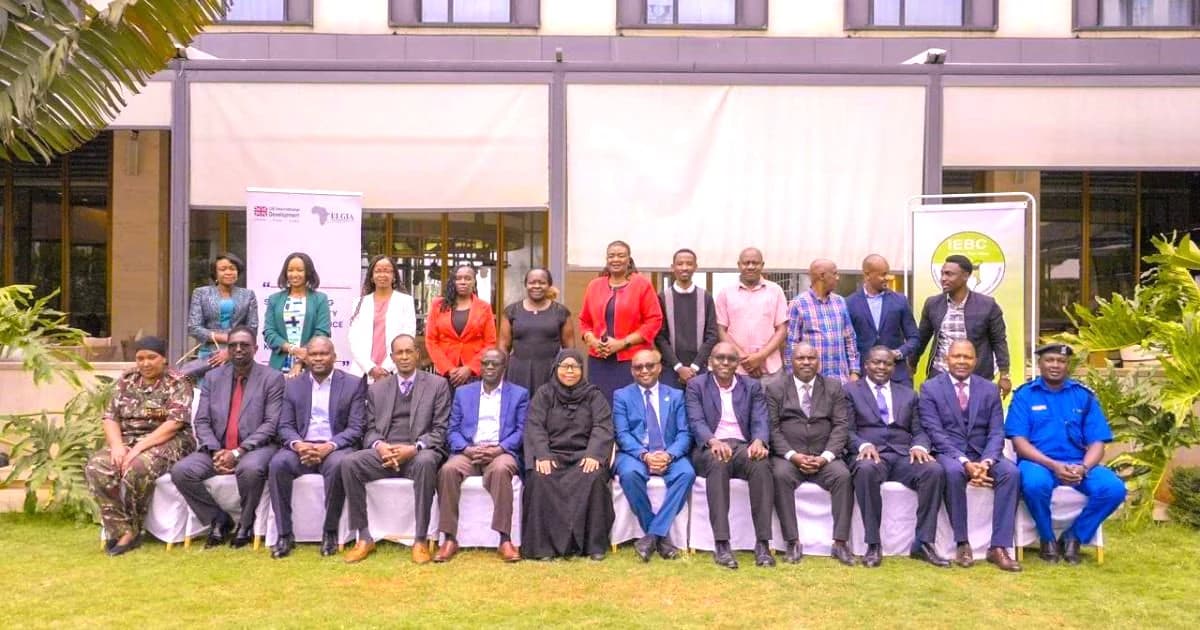
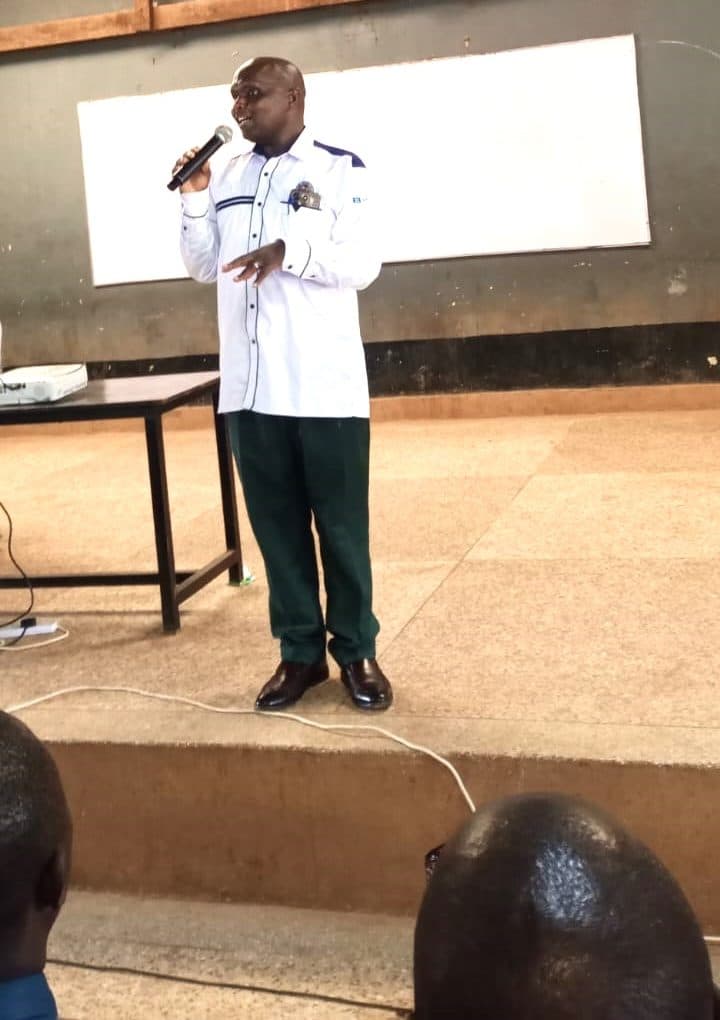
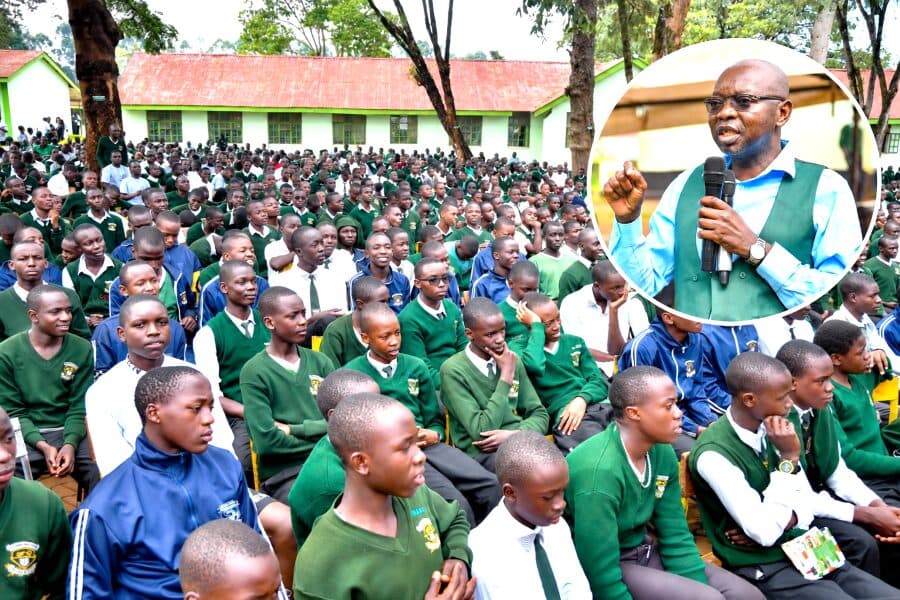
At Ramba High School on Friday, March 20, 2026, Dr William Yator urged school heads to adopt mentorship and guidance when handling young Junior Secondary School (JSS) teachers, instead of rushing into disciplinary action.
Dr Yator, who serves as the Teachers Service Commission (TSC) County Director of Education in Siaya, was addressing education officers and Heads of Institutions (HOIs) during a three-day training on the School-Based Teacher Support System (SBTSS)—a sub-component of the Secondary Education Equity and Quality Improvement Project (SEEQUIP) funded by the World Bank.
He emphasized that most JSS teachers are young and still adapting to the profession, hence the need for understanding and structured support systems.
“Before reaching for punishment, give room for correction—many teachers improve when guided, not condemned,” he advised.
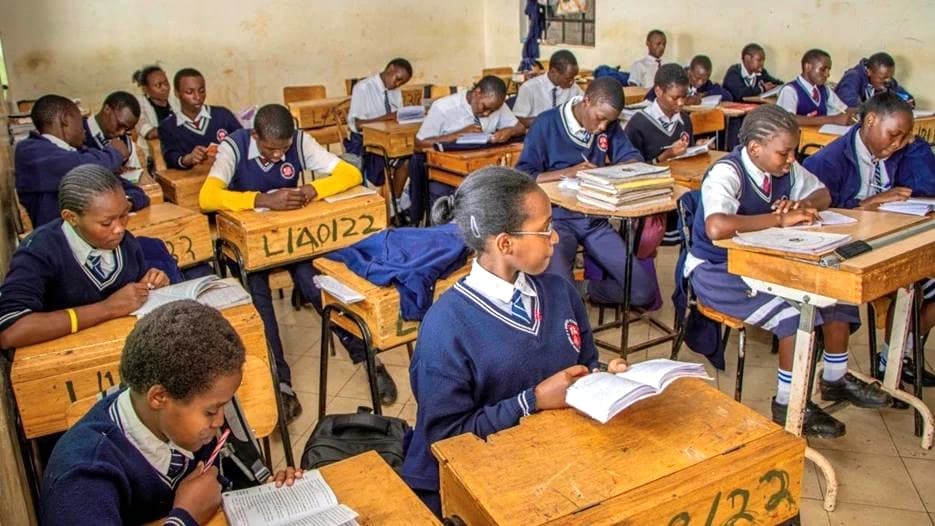
Dr Yator noted that SBTSS is designed to strengthen professional development within a pedagogical framework, ultimately improving classroom delivery and learner outcomes under Competency-Based Education (CBE).
“SBTSS is not just a programme; it is a deliberate pathway to transforming how teachers think, plan, and deliver learning,” he stated.
Managing schools
He called on HOIs to use their administrative skills effectively in managing schools while fostering teamwork among teachers to curb indiscipline.
“A school thrives not only on policies but on how leaders nurture and guide their teachers daily,” he observed.
The director further warned against unnecessary escalation of disciplinary cases, urging school heads to follow proper TSC procedures rather than rushing to issue casualty forms.
READ ALSO: Why TSC promotion rules keep teachers stuck in one job group until retirement
He encouraged teachers to embrace professionalism through proper preparation, including schemes of work, lesson plans, lesson notes, and teaching aids. He also stressed the importance of collaborative learning, reflective teaching, and openness to peer observation and correction.
“A reflective teacher who accepts observation and correction becomes better not just for themselves, but for every learner,” he remarked.
Dr Yator urged educators to adopt dynamic teaching methods, integrate ICT, and promote hands-on learning, especially in Mathematics and Science. He added that classrooms should shift from silence to active engagement.
“Let our classrooms be alive with meaningful talk, not silence—learning thrives where ideas are shared,” he emphasized.
He also highlighted the need to promote proficiency in English and Kiswahili, establish “talking walls” in classrooms, and build collaborative teaching teams.
The training, which will run until 2029, is part of a broader effort to institutionalise continuous teacher development. Participants were guided on accessing SBTSS resources through the CEMESTEA portal to support implementation.
Dr Yator expressed optimism that the effective application of the programme will significantly improve learner performance, noting that what may appear to be classroom noise should instead be understood as productive academic engagement.
The session concluded with a call to educators to embrace modern, dynamic teaching approaches that promote knowledge, skills, and positive attitudes among learners.
By Martin Omuga
You can also follow our social media pages on Twitter: Education News KE and Facebook: Education News Newspaper for timely updates.
>>> Click here to stay up-to-date with trending regional stories
>>> Click here to read more informed opinions on the country’s education landscape
>>> Click here to stay ahead with the latest national news.

Reader Discussion (0)
Sign in to comment