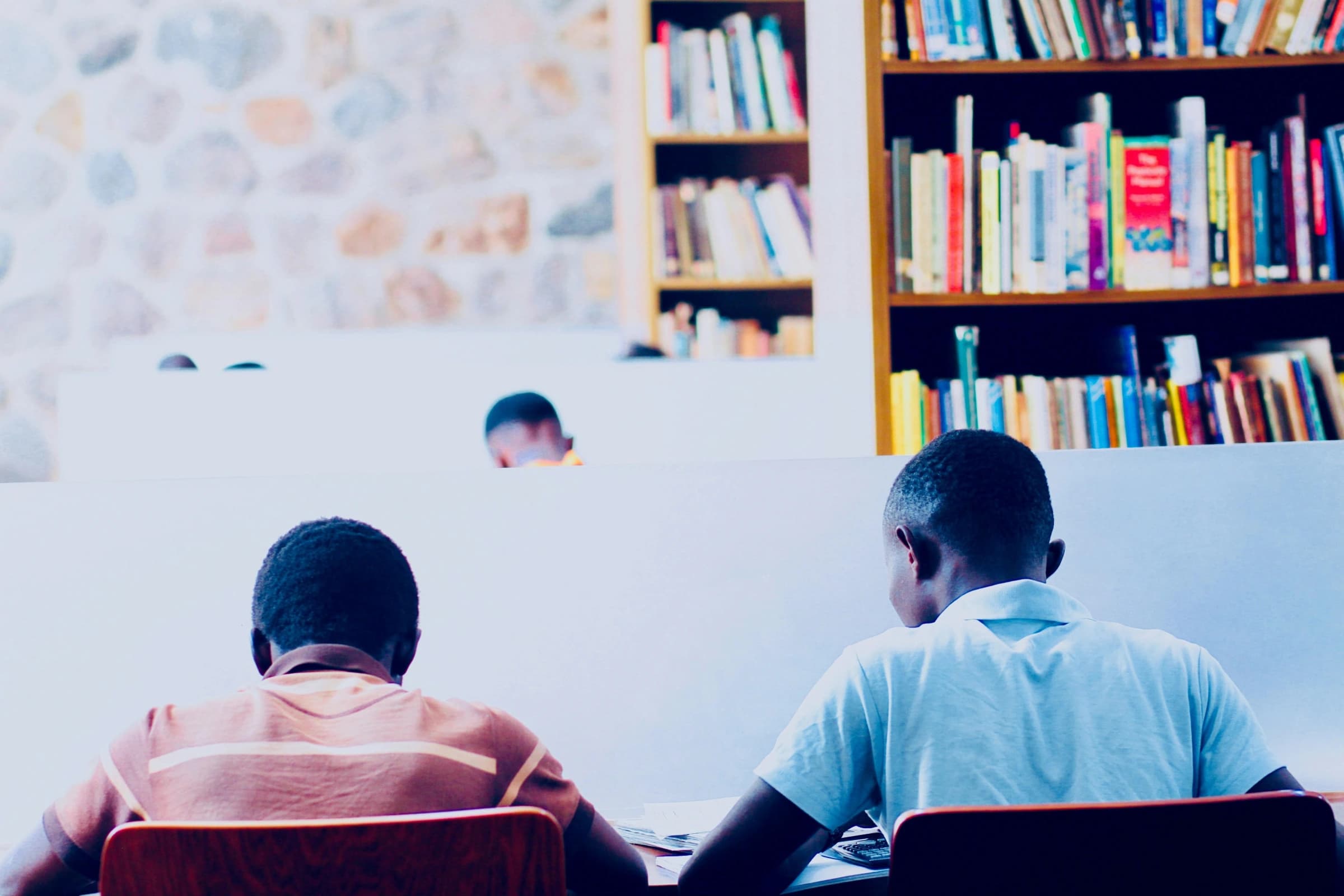



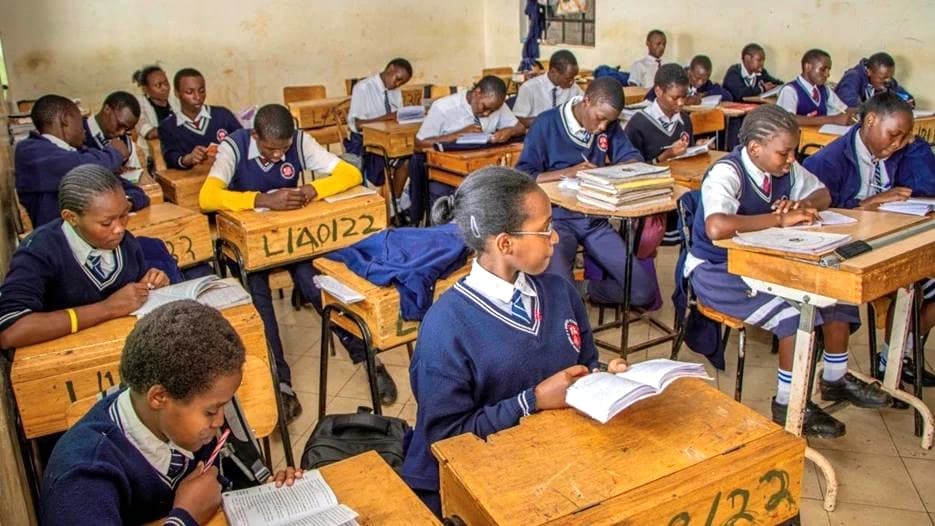

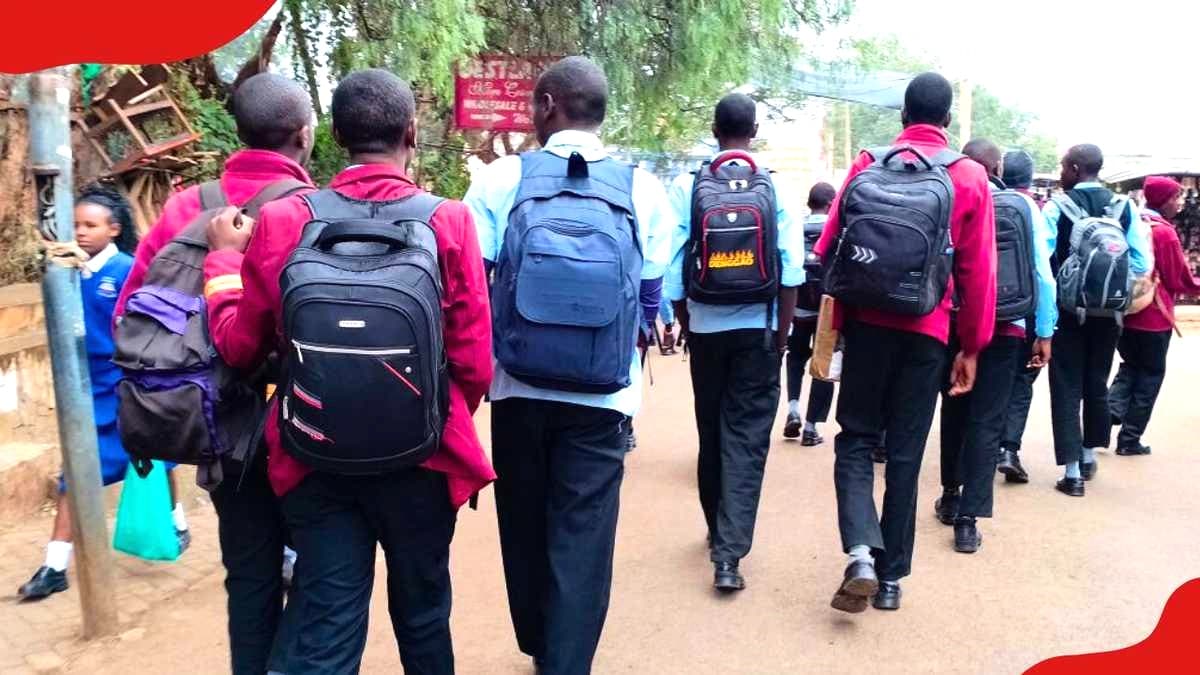

She scored the highest marks in her class. He topped the national exams. Yet both struggled to manage money, negotiate at work, or handle unexpected challenges. Grades don’t guarantee success, and schools often forget to teach the skills that truly matter.
For decades, education systems across Kenya and much of the world have measured success by a single metric: exam results. Students rise and fall based on marks, grades, and certificates. Parents celebrate straight-A performers, schools boast high-performing classes, and the media highlights top scorers as symbols of national pride. Yet, beyond the neatly typed report cards, a troubling reality lurks—our learners are leaving school inadequately prepared for the challenges of real life. The traditional curriculum, with its endless focus on memorization and rote learning, often neglects the very skills that determine whether a person will thrive, adapt, and lead in society.
“We celebrate grades, but fail to celebrate readiness for life,” says a senior education officer in Nairobi. “Exams show memory, not resilience, creativity, or the ability to solve real problems.”
This is not a critique of teachers. Most educators are deeply committed, working long hours with limited resources, and often navigating bureaucracies that constrain innovation. The fault lies in the system itself—a rigid framework that prioritizes exam performance over practical competence, test scores over life skills. And so, students graduate with impressive transcripts but a worrying lack of abilities that truly matter in adulthood.
Over the past decades, observers of Kenya’s education landscape—including policymakers, researchers, and school leaders—have repeatedly noted the gap between formal schooling and the needs of the modern world. While the CBC (Competency-Based Curriculum) and CBE (Competency-Based Education) initiatives have attempted to address this, the implementation remains uneven, and many learners still leave school without mastering essential skills.
ALSO READ:
https://educationnews.co.ke/rift-valley-education-director-warns-schools-against-using-outsiders-to-train-learners-in-co-curricular-activities/
One of the most overlooked capabilities in formal education is the ability to think critically in unpredictable situations. Most classroom assessments encourage memorization rather than problem-solving. Students can recall dates, formulas, and definitions, but when faced with a complex real-world problem—whether in business, health, or governance—they often struggle to devise solutions. Critical thinking is not merely about analyzing information; it’s about evaluating options, predicting consequences, and making informed decisions under pressure. In a society increasingly driven by technological disruption, learners who cannot think independently risk being left behind.
Pull Quote: “Memorizing formulas doesn’t make you employable; solving problems does.”
Money matters, yet schools often neglect the practical skills needed to manage it. Concepts like budgeting, saving, investing, understanding interest rates, and the impact of debt are rarely taught. Consequently, many young adults leave school financially illiterate, unable to navigate loans, digital banking, or the rapidly evolving investment landscape. Anecdotal evidence from recent graduates in Nairobi, Kisumu, and Nakuru shows that many earn their first salaries without knowing how to plan for bills, emergencies, or savings. Schools have the opportunity to equip learners with financial habits that would prevent lifelong struggles with debt and poverty.
The modern learner lives in a digital world, yet schools often fail to teach the necessary skills to navigate it safely and effectively. Understanding how to manage personal data, spot online scams, and use digital tools for productivity is critical. In Kenya, the rise of mobile money platforms, social media, and online learning has made digital literacy indispensable. However, many students are left vulnerable to cyberbullying, fraud, and misinformation because their education has focused almost exclusively on traditional literacy and numeracy. Preparing learners for the digital age is not optional—it is essential for personal safety, economic opportunity, and civic participation.
Academic success is often viewed as a solitary achievement of intellect, but the ability to understand and manage emotions—both one’s own and those of others—is equally critical. Emotional intelligence underpins effective leadership, teamwork, conflict resolution, and personal resilience. Unfortunately, most schools treat emotional development as secondary or irrelevant. Kenyan students in competitive urban schools frequently report high levels of stress and anxiety, yet few programs exist to teach coping strategies, self-awareness, or empathy. Schools that prioritize emotional learning cultivate learners who can communicate effectively, navigate relationships, and thrive in high-pressure environments.
ALSO READ:
https://educationnews.co.ke/ruto-commits-ksh550-million-to-build-40-classrooms-new-dorms-and-roads-at-alliance-schools/
It is a strange paradox that students who can recite poetry or explain complex mathematics on paper often struggle to communicate clearly in everyday life. Effective communication encompasses writing, speaking, listening, and persuasion. It is the bridge between knowledge and influence. In the workforce, leaders are often judged not by how much they know, but by how well they can convey ideas. In schools, students are rarely given structured opportunities to practice public speaking, negotiation, or persuasive writing in contexts that mimic real-world situations. A strong communicator can mobilize teams, advocate for communities, and create meaningful impact—skills far more enduring than memorized facts.
Every day, life presents scenarios requiring compromise, tact, and problem-solving. Yet schools often shield learners from these experiences or fail to teach them explicitly. Negotiation skills—whether settling disagreements between colleagues, mediating family conflicts, or brokering business deals—are essential for success. Kenyan workplaces, government offices, and community settings alike reward individuals who can resolve disputes efficiently and fairly. By contrast, graduates who have never learned structured conflict resolution are prone to confrontations, misunderstandings, and missed opportunities. Embedding these skills into the curriculum could transform learners into agents of harmony and collaboration.
The world does not guarantee jobs; increasingly, young people must create their own opportunities. Yet schools still emphasize traditional career pathways over entrepreneurial thinking. An entrepreneurial mindset involves spotting opportunities, taking calculated risks, innovating, and persevering despite setbacks. In a country like Kenya, where youth unemployment is a persistent challenge, teaching entrepreneurship could empower students to generate income, innovate in agriculture, technology, or services, and contribute meaningfully to the economy. Schools must move beyond theory and inspire learners to act, experiment, and embrace failure as a stepping stone to success.
Pull Quote: “The job market is no longer linear; our children must create opportunities, not wait for them.”
Learning to prioritize, schedule, and manage time effectively is one of the most practical skills for life, yet it is often overlooked. Students are rarely taught to plan their days, set goals, or resist procrastination. The result is a cycle of last-minute panic, underperformance, and stress. Time management and self-discipline are not innate; they must be learned and practiced. Schools that instill these habits early prepare learners for higher education, careers, and personal responsibilities, fostering independence and accountability.
Education is not merely about individual success; it is about creating responsible citizens. Unfortunately, civic education often remains theoretical, focusing on rote facts about the constitution or history without emphasizing ethical decision-making, social responsibility, or active participation in community life. Young people who graduate without a sense of civic duty may struggle to engage meaningfully in democracy, governance, or community development. Schools that teach ethics, rights, and responsibilities equip learners not only to succeed personally but to uplift society.
Finally, perhaps the most vital skill of all is adaptability—the ability to thrive amid change. In a rapidly shifting world, careers evolve, technology transforms industries, and crises arise unexpectedly. Schools that focus solely on rigid curricula and fixed learning outcomes risk producing graduates ill-prepared for uncertainty. Resilience—the capacity to recover from setbacks and continue pursuing goals—is equally crucial. Students who cultivate adaptability and resilience can navigate challenges, embrace innovation, and remain confident in the face of adversity.
ALSO READ:
https://educationnews.co.ke/governors-oppose-moe-directive-on-ecde-primary-teacher-training-merger/
These ten skills may not be tested on traditional exams, yet they often determine the trajectory of a learner’s life more than any mark ever could. Consider a student who graduates with straight A’s but cannot budget their first salary, navigate workplace conflict, or adapt when a company downsizes. Compare that with a learner who may have average grades but has mastered critical thinking, communication, and resilience. In the long run, the latter will often outperform the former, not just in career success, but in personal fulfillment, leadership, and social impact.
Education experts in Kenya have repeatedly emphasized the need for curricula that balance knowledge acquisition with skill development. The CBC and CBE initiatives are steps in the right direction, aiming to shift focus from exams to competencies. Yet, real change requires more than policy—it demands implementation, teacher training, resources, and a cultural shift in how success is measured. Teachers must be empowered to integrate practical skills into lessons, school leaders must prioritize holistic education, and policymakers must hold systems accountable for outcomes beyond grades.
There are encouraging examples across the country. Some progressive schools in Nairobi, Kisumu, and Nakuru have started integrating financial literacy workshops, debate clubs, entrepreneurship programs, and emotional intelligence seminars. These initiatives often run outside the traditional timetable but provide students with critical life experiences. However, these efforts remain sporadic and inconsistent. Scaling them to reach all learners is the challenge that will define the next generation of Kenyan education.
Ultimately, the future belongs to learners who can think critically, act ethically, communicate persuasively, and adapt resiliently. Schools cannot rely solely on exams to prepare students for life’s complexities. They must embrace the broader mission of education: to equip young people not just to pass tests, but to navigate the world successfully, contribute meaningfully to society, and achieve personal fulfillment.
Parents, teachers, policymakers, and communities all have roles to play. Parents can encourage problem-solving at home, support entrepreneurial projects, and model emotional intelligence. Teachers can design lessons that integrate practical skills, challenge students with real-world scenarios, and provide leadership opportunities. Policymakers can allocate resources, incentivize holistic curricula, and recognize schools that successfully cultivate these competencies. Together, a collaborative approach can bridge the gap between what schools teach and what learners truly need.
Pull Quote: “We must prepare children for life, not just for the next exam.”
In a country as dynamic and diverse as Kenya, preparing learners for a rapidly changing world is not optional—it is a moral and strategic imperative. By focusing on critical thinking, financial literacy, digital skills, emotional intelligence, communication, negotiation, entrepreneurship, time management, civic responsibility, and resilience, schools can produce graduates who are not just academically competent but life-ready, adaptable, and empowered to shape a brighter future.
Education must evolve, and the clock is ticking. The learners of today are the leaders, innovators, and problem-solvers of tomorrow. It is time to ensure they have more than grades—they need skills.
By Hillary Muhalya
You can also follow our social media pages on Twitter: Education News KE and Facebook: Education News Newspaper for timely updates.
>>> Click here to stay up-to-date with trending regional stories
>>> Click here to read more informed opinions on the country’s education landscape




Reader Discussion (0)
Sign in to comment