

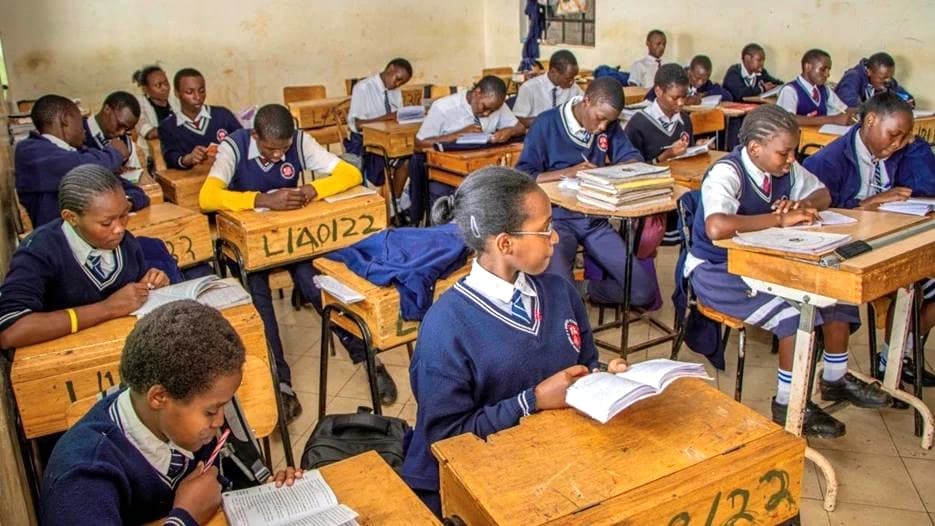



The Ministry of Education has confirmed that Grade 10 placements will be conducted over the next two weeks, with students expected to join their respective senior schools next month.
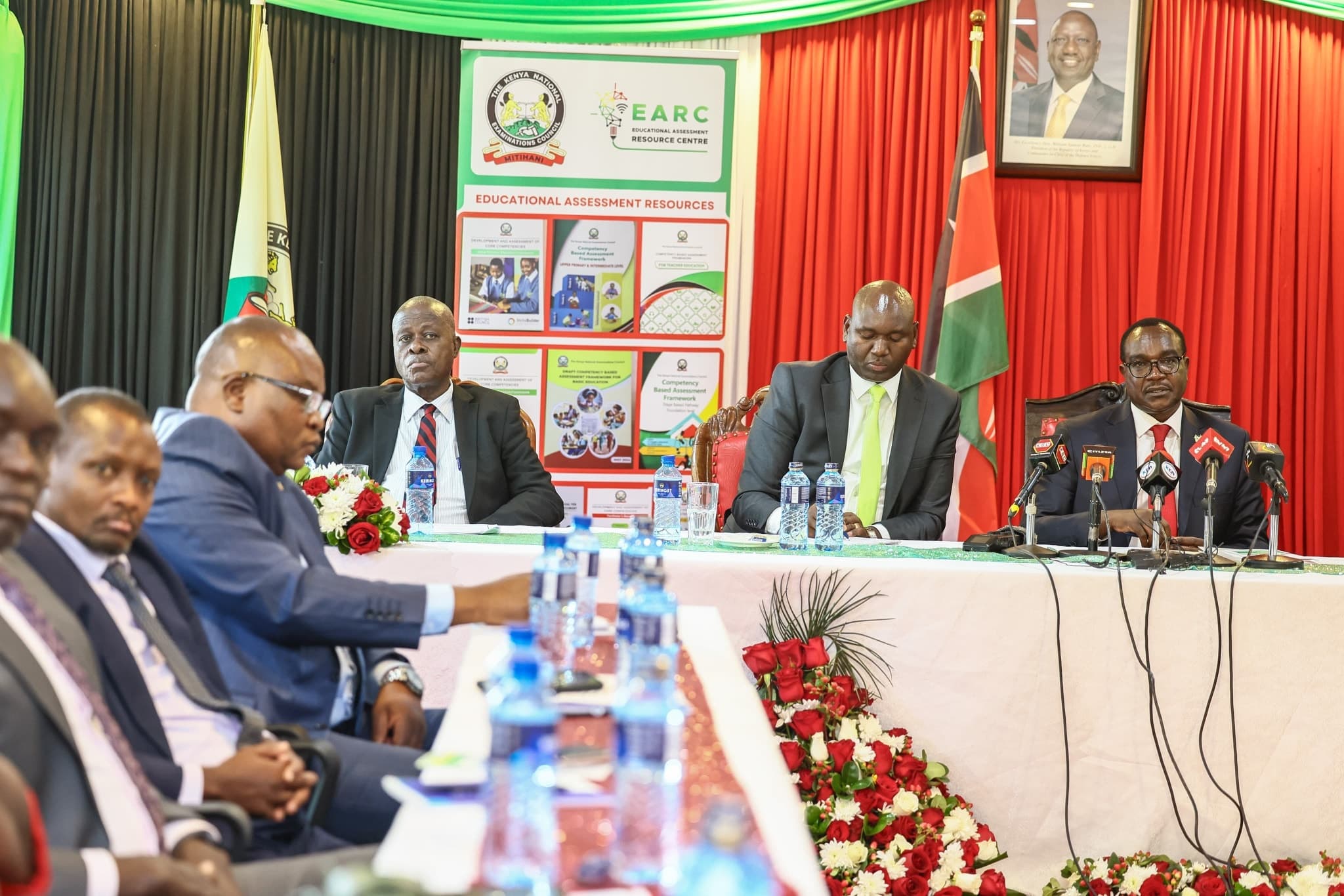
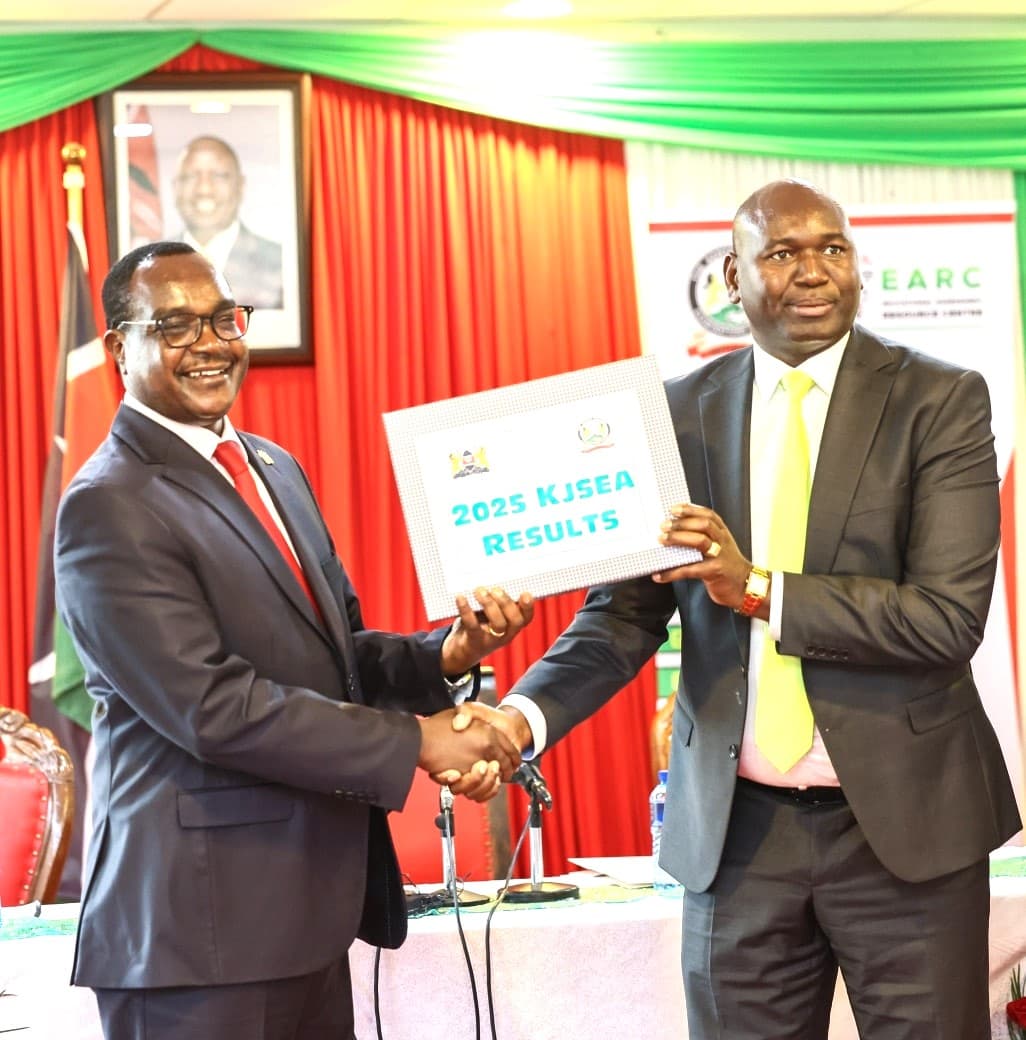
This announcement came as Education Cabinet Secretary Julius Ogamba released the Kenya Junior School Education Assessment (KJSEA) results at the Kenya National Examination Council (KNEC) headquarters, Mtihani House, on Thursday, December 11.
Ogamba explained that candidates can now review their results and that school selections and career pathway allocations will be issued within two weeks. To check learners’ academic reports, teachers and parents have been directed to use the official KNEC portal: kjsea.knec.ac.ke.
Within the Competency-Based Curriculum (CBC), learners are grouped into four career pathways: STEM, Social Sciences, Arts, and Sports Sciences. Of the 1,130,459 candidates who sat the assessment, Ogamba noted that 59.09 per cent demonstrated readiness for the STEM track at senior school. In addition, 46.25 per cent qualified for Social Sciences, while 48.73 per cent demonstrated the potential for Arts and Sports Sciences.
The CS emphasised that placement decisions will be guided by each learner’s performance and their chosen pathways, in line with recommendations from the Presidential Working Party on Education Reforms.
READ ALSO:
https://educationnews.co.ke/mathematics-kenyan-sign-language-post-lowest-scores-in-2025-kjsea-results/
Ogamba also confirmed that Grade 9 learners are scheduled to transition to senior school on January 12, with admission letters expected to be issued beforehand.
He clarified that the placement portal would remain accessible to parents and teachers who wish to raise concerns or request reviews of pathway allocations.
“That space is available for the next two weeks, and even after they join in January, we will be able to keep it open so that every question and challenge is addressed and every learner taken care of,” the CS stated.
Ogamba further explained that the KJSEA report provides more than basic scores—it offers a detailed breakdown of learner performance, highlighting strengths and areas needing improvement.
Principal Secretary for Basic Education Julius Bitok added that the Ministry employed a fairness-oriented system similar to revenue allocation models to ensure equity throughout the placement process.
By Joseph Mambili
You can also follow our social media pages on Twitter: Education News KE and Facebook: Education News Newspaper for timely updates.
>>> Click here to stay up-to-date with trending regional stories
>>> Click here to read more informed opinions on the country’s education landscape

Reader Discussion (0)
Sign in to comment