








If Junior School were a journey, then Grade 7 is not the destination; it is the bridge. And bridges, unlike roads, carry pressure from both sides.
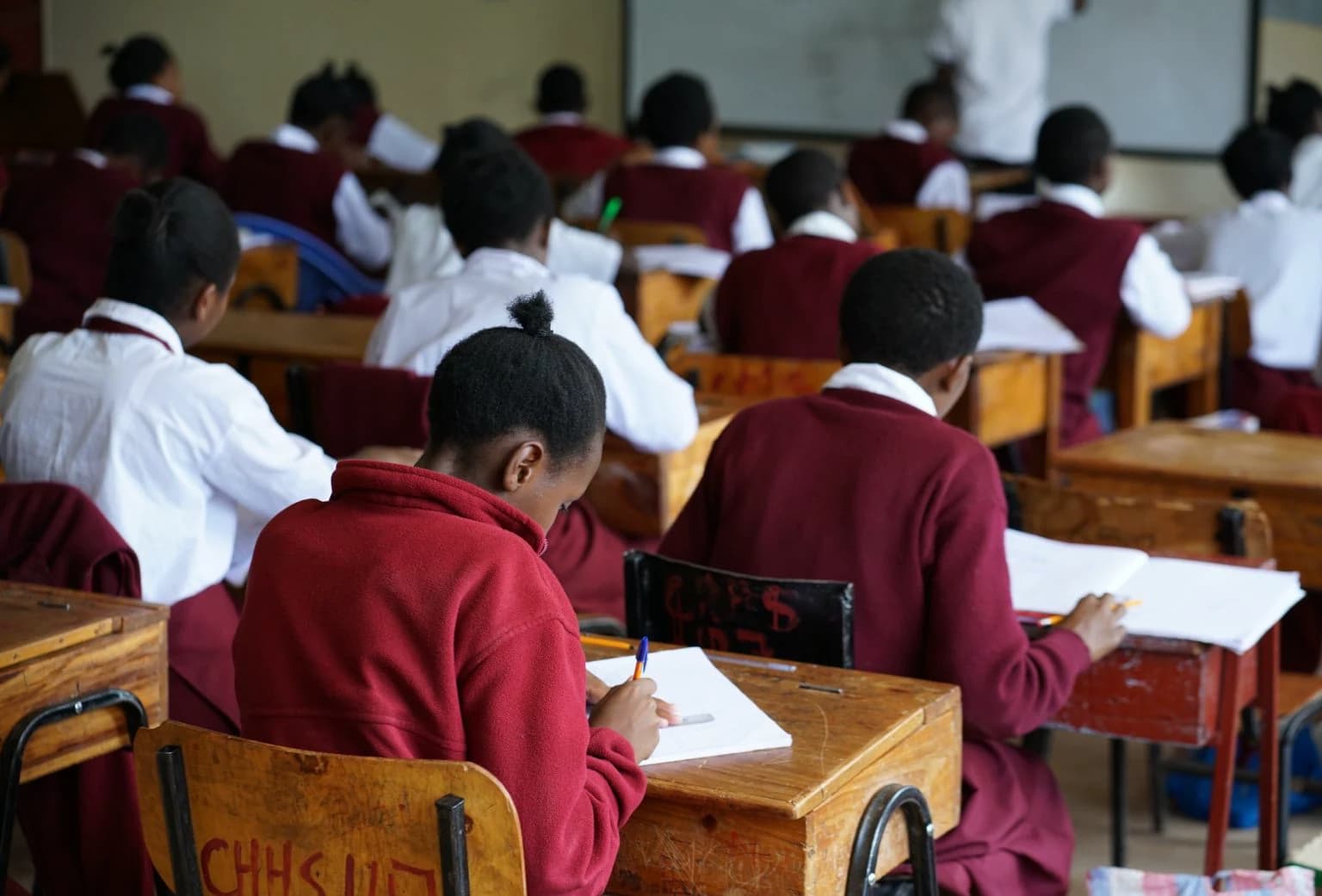
In Kenya’s Competency Based Education (CBE), Grade 7 is perhaps the most misunderstood class in the entire Junior School cycle. Many assume it is simply the first step after Grade 6. But that is far too shallow. Grade 7 is not just a new class; it is a new psychological country.
It is the place where a child is no longer fully a primary school learner, yet not mature enough to stand steadily in the demands of Grade 8 and Grade 9. That is why Grade 7 is unique. That is why it is difficult. And that is why it must be handled with wisdom, structure and unusual sensitivity.
Grade 7 learners arrive carrying the habits of upper primary but are suddenly expected to function like Junior School students. In one term, they are expected to adjust to deeper content, broader expectations, increased responsibility, changing social dynamics and a stronger sense of personal accountability.
The result is simple: Grade 7 is a transition battlefield. The learner is asking silent but serious questions: Am I still a child? Why are teachers tougher? Why is school suddenly more serious? Why does everyone expect me to ‘grow up’ immediately? These questions are rarely written in exercise books, but they are loudly written in behavior.
This is what makes Grade 7 different from Grade 8 and 9. By Grade 8, most learners have already settled into the rhythm of Junior School. By Grade 9, they are more focused, more aware and more mentally positioned for direction and progression. But Grade 7? Grade 7 is the shock absorber of Junior School. It receives the full impact of transition. It is the class where school does not just become harder; it becomes different.
ALSO READ:
https://educationnews.co.ke/university-don-calls-for-transparency-in-webuye/
One of the biggest mistakes schools make is assuming Grade 7 problems are merely academic. They are not. In truth, most Grade 7 struggles are a mixture of emotional, social, academic and developmental confusion. Many learners experience what can only be called educational culture shock.
Even when they remain in the same school compound, the atmosphere changes. The language changes. The pressure changes. The expectations multiply. A learner who was once confident in Grade 6 may suddenly become withdrawn, disorganized or timid in Grade 7; not because they are weak, but because they are adjusting.
At the same time, Grade 7 is the age where learners begin asking, consciously or unconsciously, Who am I here? They start caring deeply about popularity, appearance, belonging, friendships and social acceptance. In Grade 7, identity begins to compete with academics. Some learners are not failing because they cannot learn; they are failing because they are emotionally preoccupied with fitting in. School becomes more than books. It becomes social survival.
Then there is the force of early adolescence, which barges into Grade 7 without knocking. Mood swings arrive uninvited. Confidence becomes unstable. Embarrassment becomes a daily possibility. Learners can appear mature in body but remain fragile in judgment. This explains why Grade 7 learners can be energetic but inconsistent, bright but distracted, bold but emotionally delicate. Teachers who interpret all this as mere indiscipline are often reading the child incorrectly.
Grade 7 is also a class of exposure. Weak reading, poor writing, low comprehension and shallow numeracy skills begin to show more clearly. What was hidden in upper primary becomes visible in Junior School. A learner may be labeled lazy, yet the real issue is that they cannot independently access the learning. The problem is not always attitude. Sometimes it is foundation. And when foundation cracks in Grade 7, performance in Grade 8 and 9 often suffers in silence.
Peer pressure also begins to tighten its grip in this class. Cliques form. Teasing begins. Exclusion hurts. Early romantic curiosity may emerge. Some learners start performing maturity they do not actually possess. In other words, Grade 7 is where school stops being only about books and starts becoming about belonging. A child who does not feel accepted can quickly become distracted, withdrawn, rebellious or desperate for attention.
ALSO READ:
https://educationnews.co.ke/konoin-ng-cdf-funds-construction-of-six-classroom-storey-building-at-chebaibai-primary/
That is why Grade 7 cannot be handled casually. A Grade 7 learner does not need to be babied; but neither should they be thrown into the deep end and told to ‘adjust.’ This class must be handled with a balance of firmness and pastoral intelligence. Schools must treat it as a transition class, not just a syllabus station. It needs orientation, mentoring, emotional support and structured adjustment systems. A school that takes Grade 7 lightly will spend Grade 8 and 9 repairing avoidable damage.
The choice of teachers matters enormously. Not every good teacher is a good Grade 7 teacher. This class requires teachers who can guide without humiliating, correct without crushing, observe without overreacting and challenge without overwhelming. Grade 7 does not merely need content delivery. It needs human handling. It needs adults who understand that a learner can be noisy and insecure, stubborn and scared, careless and confused; all at once.
Discipline in Grade 7 must also be intelligent. Many discipline problems at this level are not rooted in wickedness but in confusion, insecurity, imitation or poor self-regulation. This does not mean schools should become soft. It means discipline must be clear, consistent, restorative and developmental. A child who is still learning how to manage emotions cannot be handled exactly like one who is deliberately rebellious. Correction must still teach.
Parents, too, must be helped to understand this class better. Many misread Grade 7. Some expect instant maturity. Others remain too detached. Yet Grade 7 requires parents to become active partners in transition. They must help learners build routines, responsibility, confidence, and emotional stability. The school cannot carry Grade 7 alone. When home and school are disconnected, the learner often becomes the battlefield.
Here is the blunt truth: Grade 7 is where Junior School is either built or broken. If a learner enters Grade 7 and finds confusion, harshness, social chaos, poor guidance and academic overload, then Junior School becomes a burden. But if that same learner finds structure, belonging, support, wise discipline and patient guidance, then Grade 7 becomes a launchpad. And that is what it should be.
Grade 7 is not just a timetable. It is not just a syllabus. It is not just the first year of Junior School. It is a formation zone. It is where a learner begins to shift from dependence to responsibility, from childhood comfort to adolescent awareness and from being taught only what to know to learning who to become. That is why Grade 7 must never be handled casually.
In the Kenyan CBE, if Grade 9 tests the learner’s direction and Grade 8 strengthens their rhythm, then Grade 7 shapes their foundation. And if we get Grade 7 right, we do not just improve performance. We save the journey.
By Angel Raphael
Angel Raphael is a teacher, writer and passionate voice in education who blends classroom experience with sharp insight and creative expression to speak on issues shaping learners, teachers and schools in Kenya.
You can also follow our social media pages on Twitter: Education News KE and Facebook: Education News Newspaper for timely updates.
>>> Click here to stay up-to-date with trending regional stories
>>> Click here to read more informed opinions on the country’s education landscape



Reader Discussion (0)
Sign in to comment