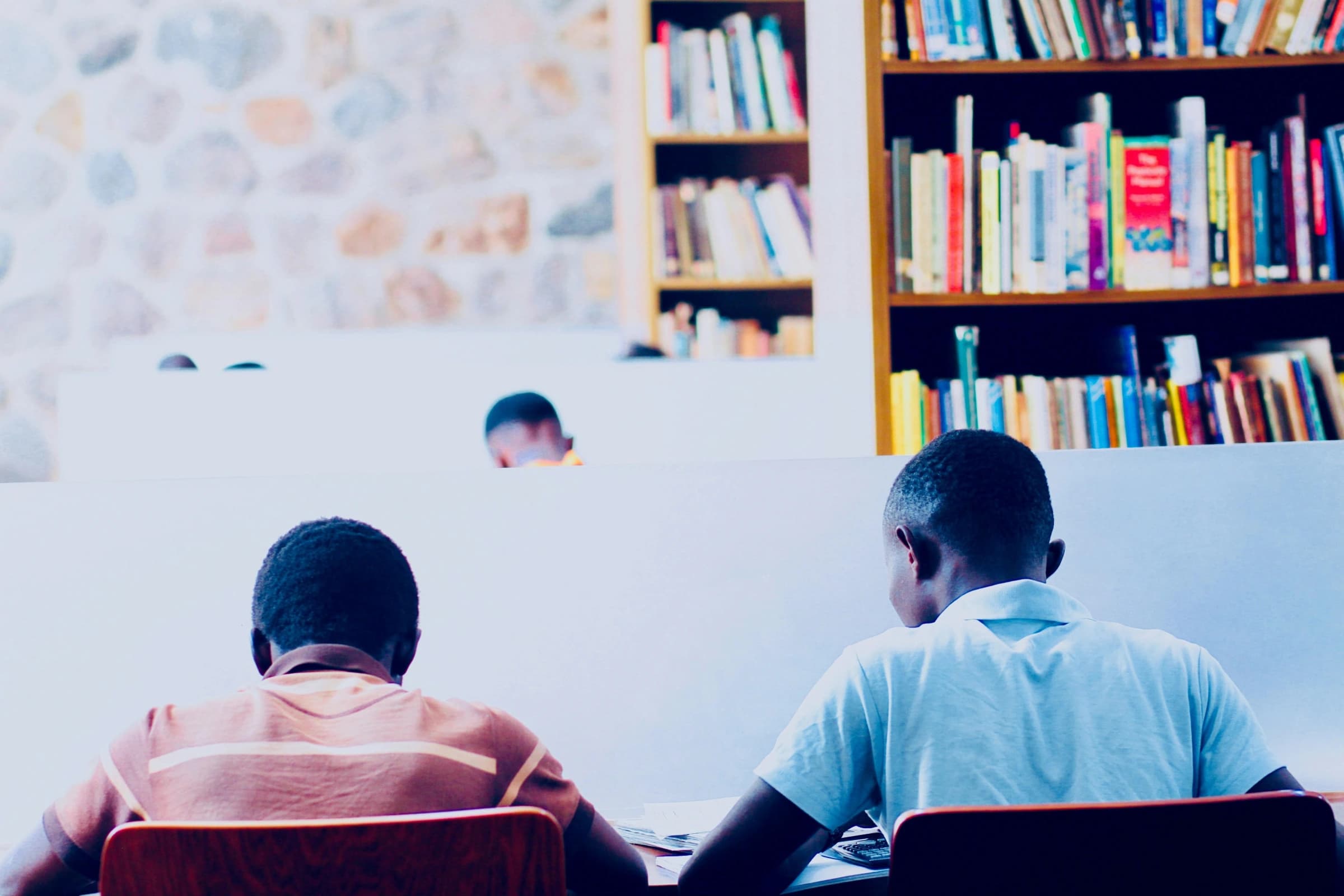



Grade 10 is no longer just another step in the education ladder; it has become a hard nut to break. The transition from Grade 9 to Grade 10 has turned into a crisis that exposes the weaknesses of our education system and the realities that many learners are forced to face.
Instead of being a stage of growth and opportunity, it has become a test of survival. Many learners arrive unprepared, overwhelmed, and unsure of what lies ahead. This is not a problem of laziness or lack of intelligence. It is a complex crisis that combines academic gaps, psychological pressure, financial strain, and social challenges. It is the stage where a student stops being a child who simply follows instructions and becomes a young adult who must think critically, make choices, and take responsibility for their future.
The curriculum suddenly becomes more complex and demanding. Students who were used to basic concepts in Grade 9 now face abstract topics and deeper content that require a strong foundation. Many learners who once passed with minimal effort find themselves struggling to understand concepts and keep up with the pace. The result is frustration, poor performance, and loss of confidence. For those without strong foundations in literacy, numeracy, and problem-solving skills, this is not just a challenge — it is an insurmountable wall that refuses to be climbed.
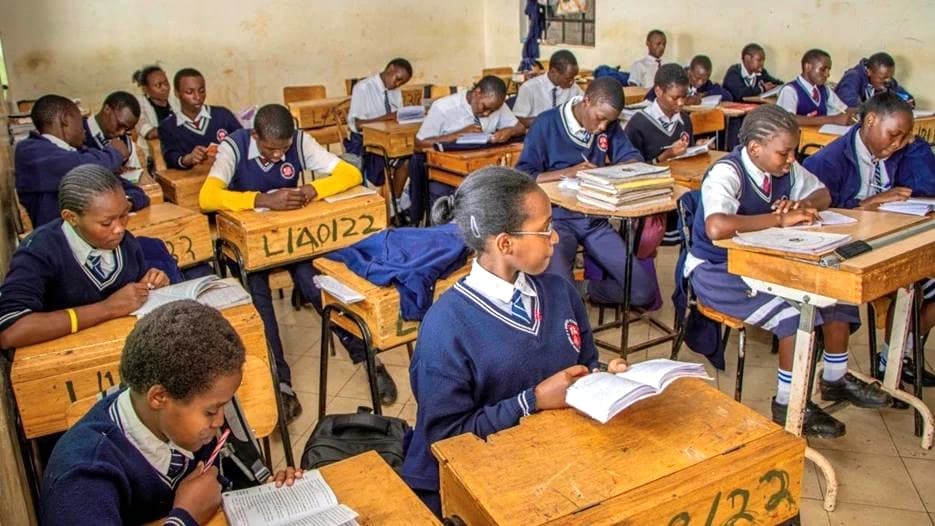
The beginning of senior secondary education brings higher expectations, stricter discipline, and a heavier academic workload. Many schools introduce senior school life with strict schedules, demanding assignments, and intense pressure that feels overwhelming to students who are still developing emotionally and mentally. For students from under-resourced backgrounds, this environment feels like being thrown into deep water without a life jacket.
The transition is not only academic; it is also psychological. Learners are forced to cope with new teachers, new classmates, and new rules. The senior school atmosphere is often less forgiving. Teachers expect students to be more disciplined, more focused, and more independent. Those who cannot adapt quickly are left behind, and the gap between them and their peers widens.
Many learners enter this stage with weak academic foundations. This is often a result of systemic issues such as poor teaching methods, overcrowded classrooms, lack of learning materials, inadequate support, and unqualified or overwhelmed teachers.
These underlying weaknesses become most visible when learners face the more advanced concepts of senior education. Some students may have passed earlier grades through rote memorisation or superficial understanding, only to find that deeper comprehension and critical thinking are required at this level. When learners are promoted without having mastered earlier concepts, the system sets them up to fail later.
ALSO READ:
https://educationnews.co.ke/tsc-shakes-up-school-principals-in-kisii/
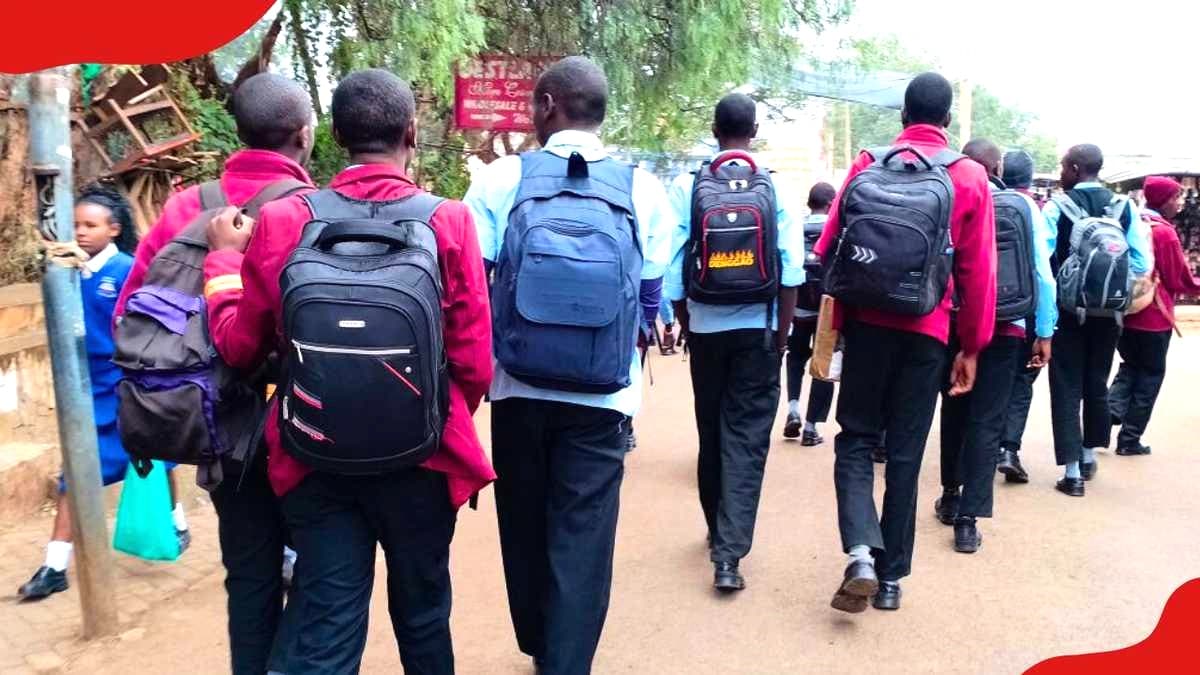
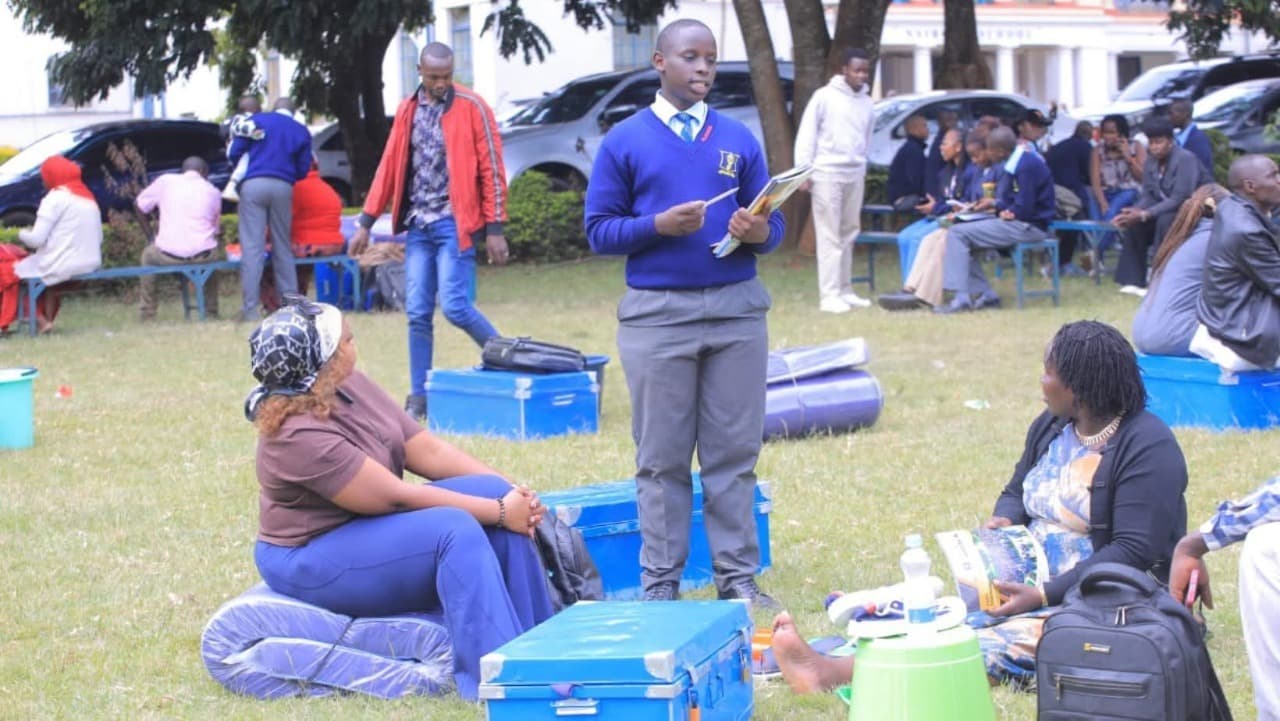
Beyond academic readiness, financial stress is another huge burden. Although the education system aims to keep learners in school, families still shoulder significant costs for uniforms, books, transport, exam fees, and other expenses. These hidden costs create pressure that affects not just attendance but mental focus and engagement. Many learners fail to report to their assigned senior schools within the first days of term, raising concerns about absenteeism, financial barriers, and disengagement. When learners are worried about school fees or lack the necessary resources, their minds are not on learning.
Emotional and psychological pressures also intensify at this stage. Learners are expected to make critical choices about the subjects they will pursue and to envision their future careers. For an adolescent who is still developing emotionally, this is a heavy burden. Parents, teachers, and society often set high expectations, and many learners feel lost, overwhelmed, or inadequate when they are unable to meet them. Without proper guidance and counseling — which is still lacking in many schools — many students end up making misguided subject choices that do not match their strengths or interests, further deepening frustration and poor performance.
The lack of counseling and support is a glaring gap in the system. Many schools do not have trained counselors, and those that do are overwhelmed by the sheer number of learners needing help. Students are left to navigate stress, anxiety, and academic confusion on their own. Those who might safely traverse this transition with guidance instead fall into despair or disengagement.
As the academic demands increase, outdated teaching methods also fail to meet the needs of senior secondary learners. Many teachers rely on rote memorisation rather than interactive, learner-centered teaching approaches. Students need practical lessons, critical thinking exercises, and relevance to real-life applications — yet these are seldom part of everyday classroom practice. In an era where learners are exposed to technology and information outside of school, traditional methods make school learning feel boring, disconnected, and ineffective.
Social distractions also play a role. At around 15–16 years old, learners face temptations and pressures from social media, peer influence, and relationships. Domestic responsibilities, early employment, or caring for siblings further reduce study time and concentration. In some communities, early pregnancy and marriage continue to pull adolescents out of school, weakening the collective academic culture and retention.
ALSO READ:
https://educationnews.co.ke/west-pokot-world-vision-partner-to-intensify-fight-against-fgm-to-save-generation/
Gender disparities complicate the picture further. While some learners remain committed to education, the dropout rate among boys has risen in many regions, raising concerns about a widening gap in male participation in secondary education. This “boy-child crisis” adds another layer of concern, as it suggests shifting patterns in who remains in school, why they leave, and how societal factors intersect with educational attainment.
The broader educational outcomes reflect deep structural issues that are visible well beyond the transition to senior secondary school. National exam results illustrate chronic underperformance at later stages. The final school exam taken after senior secondary reveals that only a small proportion of learners achieve the minimum grade required for university admission, with many scoring below average. These figures indicate that even among those who survive the grades, many are not equipped for higher learning or meaningful employment.
These outcomes are partly the result of educational inequality across school types. National schools, which host a tiny fraction of students, disproportionately produce top performers, while the majority of students in sub-county and county schools struggle due to lack of resources, insufficient teaching capacity, and inadequate facilities. Sub-county schools often have higher failure rates, especially in critical subjects like mathematics and sciences, because they lack labs, libraries, and qualified teachers.
Even more troubling, long-term studies show that the survival rate from primary through to the end of secondary — let alone university — is extremely low. Those who make it to higher education represent only a fraction of the initial cohort. These cascading losses stem from the combination of weak academic readiness, economic barriers, lack of support, and systemic inequality.
ALSO READ:
https://educationnews.co.ke/why-theres-hope-for-both-good-and-bad-kcse-grades/
Taken together, these realities underscore why moving into and through senior secondary is not merely a routine transition; it is a make-or-break stage. It reveals the true state of the education system and exposes learners who have moved up through earlier grades without solid foundations.
The challenge at this stage is not only for learners but also for teachers, parents, and the entire education system. We must provide proper guidance, strengthen teaching methods, and support learners emotionally and financially. Schools must be equipped with adequate resources, trained teachers, and structured counseling services. The goals of the Competency-Based Curriculum — which aims to produce critical thinkers and problem solvers — will only be realised if learners are supported holistically, from foundational literacy and numeracy to emotional resilience and career planning.
To tackle this crisis, education stakeholders must acknowledge that the difficulty of the transition is a symptom of deeper structural problems. Addressing it will require interconnected reforms: ensuring equitable distribution of quality schools, building teacher capacity, investing in learning materials and infrastructure, expanding guidance counseling programs, and integrating community support systems that keep children in school and engaged.
If these issues remain unaddressed, many learners will continue to struggle and fall behind. The dream of education as a pathway to opportunity and prosperity will remain out of reach for many, and countless young people will carry the scars of early discouragement into their futures.
But it does not have to be this way. With targeted reforms and sustained commitment from government, schools, communities, and families, this stage of education can transform from an insurmountable barrier into a gateway to empowerment and success.
By Hillary Muhalya
You can also follow our social media pages on Twitter: Education News KE and Facebook: Education News Newspaper for timely updates.
>>> Click here to stay up-to-date with trending regional stories
>>> Click here to read more informed opinions on the country’s education landscape



Reader Discussion (0)
Sign in to comment