

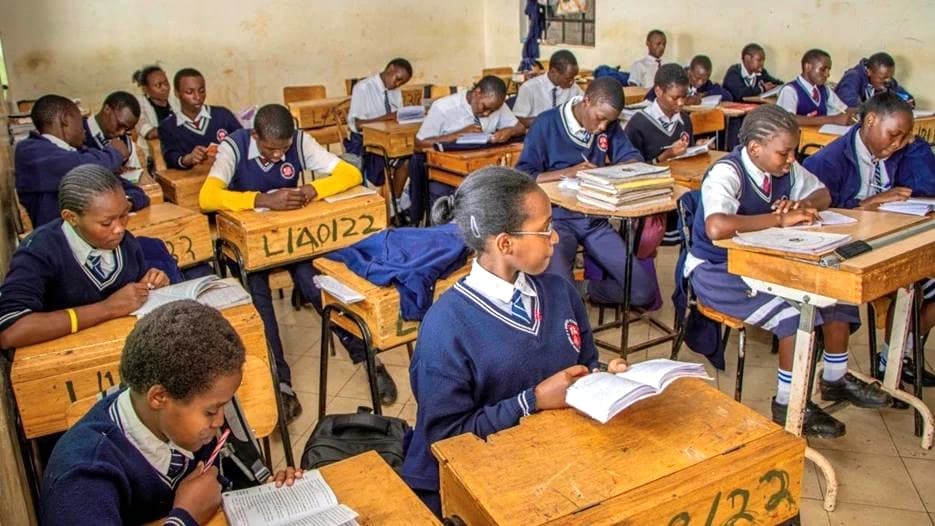




The government has moved into high level consultations to address a recent court ruling that declared the teacher internship programme unlawful, putting thousands of interns and the future of teacher recruitment into uncertainty.
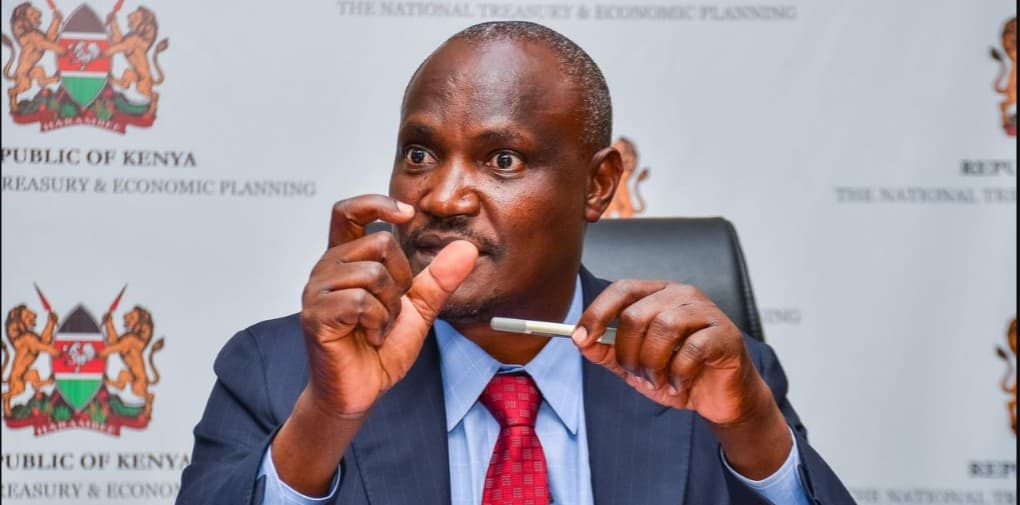
Speaking on Tuesday, March 31 in Makueni County, Basic Education Principal Secretary Prof. Julius Bitok said the Ministry of Education is urgently engaging key state agencies to ensure compliance with the court order. He noted that discussions are ongoing with the Teachers Service Commission (TSC), the National Treasury and the Office of the President.
“We are in consultations with the aim of complying with the court order so we can deal with this issue decisively,” said PS Bitok, underscoring the urgency created by the ruling.
The PS further revealed that the government’s long-term plan had been to transition interns into permanent and pensionable positions once funds became available. However, the court’s decision has accelerated the need for immediate action.
“Our strategy has been to transition these interns into permanent bases when funds are available, but now there is urgency to deal with this matter,” he explained.
He noted that the internship programme was designed as a stop-gap measure to address teacher shortages while managing wage bill constraints.
ALSO READ:
https://educationnews.co.ke/kisumu-county-vtc-centres/
According to the PS, the government requires approximately Ksh14 billion annually to fully absorb intern teachers into permanent employment.
Intern teachers typically receive lower stipends compared to fully employed teachers, a model that has faced criticism from unions and labour rights advocates.
A key challenge now facing the government is the financial implication of absorbing interns into permanent employment. PS Bitok says converting all interns into full-time teachers would significantly increase the public wage bill.
“Permanent employment comes with a cost, and the government is saying give us a little bit more time,” he said.
He noted that this places pressure on the Treasury to allocate additional funds in an already strained fiscal environment, even as education remains one of the largest budget sectors.
By Juma Ndigo
You can also follow our social media pages on Twitter: Education News KE and Facebook: Education News Newspaper for timely updates.
>>> Click here to stay up-to-date with trending regional stories
>>> Click here to read more informed opinions on the country’s education landscape

Reader Discussion (0)
Sign in to comment