





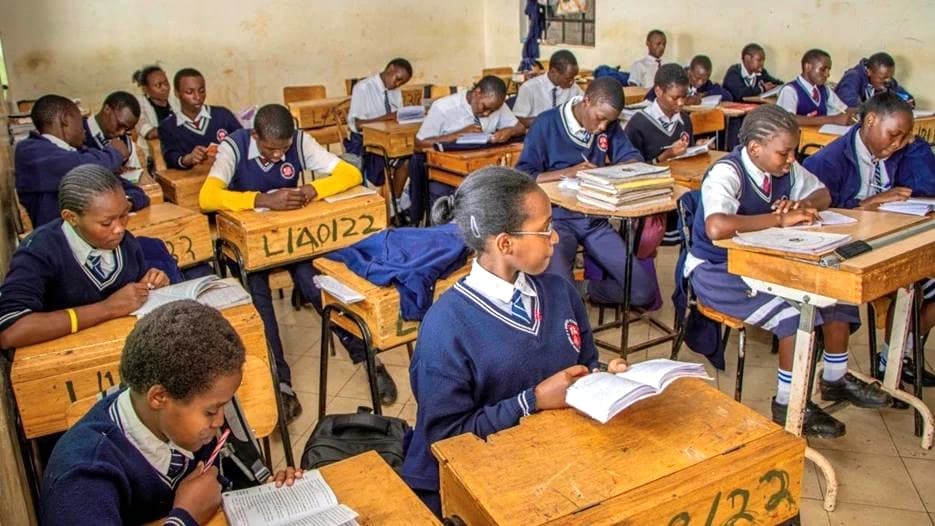




Public schools across Kenya have been granted relief after the government allowed them to continue handling procurement manually, following delays in preparing institutions for a planned transition to the Electronic Government Procurement (e‑GP) system.
The National Treasury confirmed the exemption, noting that many schools had not yet received training on how to operate the digital platform.
The e‑GP system, introduced last year, was designed to digitise all stages of public procurement, from planning and tendering to contracting and payment in an effort to enhance transparency, efficiency, and accountability.
ALSO READ:
https://educationnews.co.ke/moe-announces-date-venue-for-2026/
In correspondence, the Principal Secretary for Public Investments and Asset Management, Cyrell Odede Wagunda, said the decision was reached after the Basic Education PS, Julius Bitok, sought clarity on whether schools could be permitted to remain outside the system for now.
“We have not rolled out e‑GP trainings for schools and institutions, and in view of that, schools can continue procurement of goods, works and services outside the e‑GP system until advised otherwise,” the letter stated.
The exemption comes after administrators raised concerns that the online system may not suit the realities of day‑to‑day operations in many learning institutions, particularly those in rural areas. In such settings, schools often rely on nearby suppliers, with parents contributing food, firewood, or labour as part of fee arrangements, practices that do not easily fit into a fully digital procurement structure.
Even with the temporary reprieve, the Treasury has insisted that schools must continue adhering to existing procurement laws.
“You are further advised that all procurement activities should be carried out in strict compliance with the Public Procurement and Asset Disposal Act, 2015,” the letter added.
The decision affects thousands of institutions nationwide, including more than 23,000 public primary schools and about 9,000 public secondary schools, all of which are expected to eventually transition to the e‑GP system once training and rollout are complete.
ALSO READ:
https://educationnews.co.ke/knec-should-clear-the-air-on-the-delayed-payment-to-examiners-as-anxiety-builds/
The delay highlights challenges facing government efforts to digitise public services in sectors that rely heavily on local networks and informal arrangements. A similar situation unfolded in 2024 when a directive requiring parents to pay school fees through the e‑Citizen platform was withdrawn after resistance from schools and parents who argued the system was difficult to use.
For now, schools will continue with manual procurement, but the government has made clear that the long‑term goal remains full digitisation.
By Masaki Enock
You can also follow our social media pages on Twitter: Education News KE and Facebook: Education News Newspaper for timely updates.
>>> Click here to stay up-to-date with trending regional stories
>>> Click here to read more informed opinions on the country’s education landscape




Reader Discussion (0)
Sign in to comment