

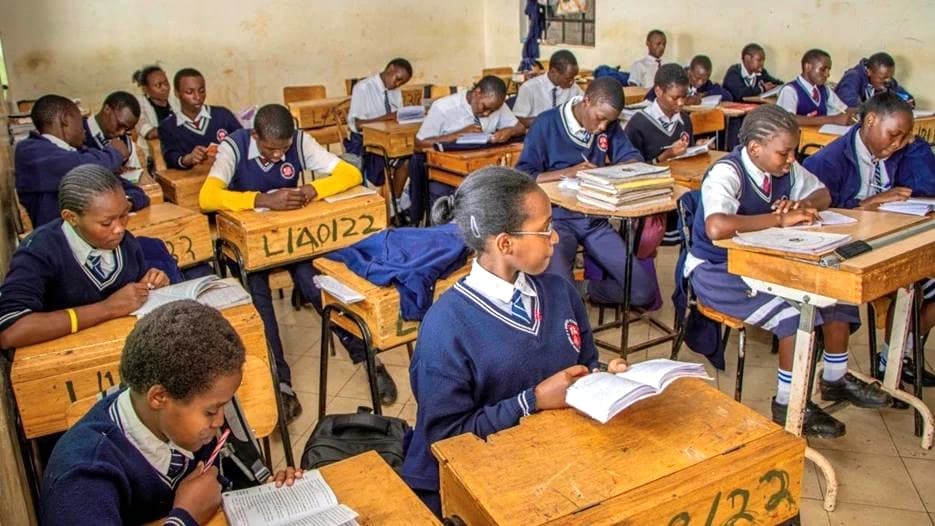



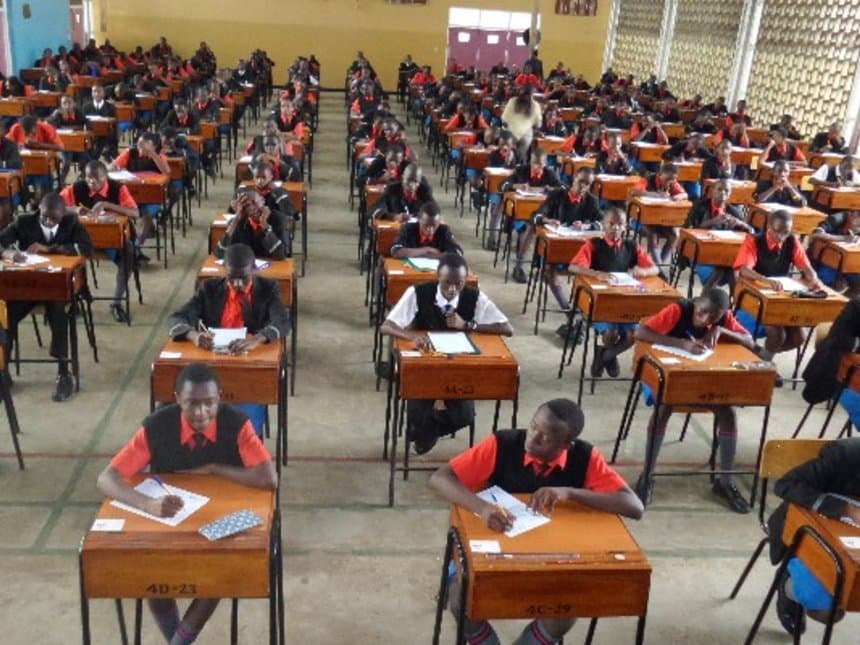
For generations, being selected to oversee national examinations under the Kenya National Examinations Council (KNEC) was among the highest professional honours a teacher could receive. It represented trust, professionalism, and national service. Whether supervising exam rooms, invigilating candidates, managing examination centres, or marking scripts at central assessment hubs, teachers are the custodians of Kenya’s examination integrity.
From the Kenya Primary School Education Assessment (KPSEA) at the primary level, through the Kenya Junior School Education Assessment (KJSEA) for junior level, to the Kenya Certificate of Secondary Education (KCSE) at the end of secondary school, teachers play an indispensable role. Thousands of them are deployed each examination cycle to execute tasks that are critical to the fairness, credibility and public trust in national assessments.
Yet, interviews with teachers across multiple counties reveal that participation in examination administration is no longer taken for granted. In fact, a growing number of educators are now reluctant to take up KNEC exam duties, describing the experience not as professional pride but as an expanding set of risks with little reassurance.
Their reasons are complex, intersecting financial, administrative, legal, psychological, and logistical pressures that have emerged with time. When combined, these factors have reshaped teachers’ perceptions of what was once a cherished duty into something they now critically evaluate before accepting.
ALSO READ:
https://educationnews.co.ke/ps-bitok-urges-senators-to-strengthen-county-oversight-to-safeguard-ecde-and-teacher-welfare/
The Weight of Professional Risks
One of the strongest themes emerging from teacher interviews is the fear of professional risk, especially where legal and disciplinary exposure is concerned.
A veteran secondary school teacher from Rift Valley, with over twenty-five years in the classroom, described his feelings in stark terms:
“When I was first asked to supervise exams, I felt honoured. But now I think twice. If even a minor procedural error occurs, a misplaced signature, a missing envelope, I may be called for an inquiry. They investigate you as if you were a suspect, even when nothing malicious happened.”
For many teachers, exam administration no longer feels like a routine professional obligation. Instead, it feels like being placed under a constant microscope. In every phase, from paper collection to script dispatch, they sign multiple accountability forms. A misplaced sheet, a wrongly completed attendance register, or any gap in documentation can lead to formal investigations.
This risk of being implicated in irregularities even without intent is a significant deterrent. In an interview, a primary school teacher said:
“We are trusted to safeguard the exams. But if there is an error, we become suspects. After years of dedication, you don’t want your integrity questioned over a form you forgot to initial.”
This speaks to a broader fear within the profession: that years of service and reputation can be undermined by procedural slips that carry consequences far beyond their immediate impact.
ALSO READ:
https://educationnews.co.ke/trans-nzoia-woman-representative-condemns-rising-violence-against-schoolgirls/
Delayed Payment and Financial Strain
Another recurring concern among teachers is the delayed payment of allowances for examination duties.
Teachers deploy themselves months in advance of regular school terms, often using personal funds to cover transport to exam centres, meals, and accommodation when assigned far from home. However, they frequently wait months, sometimes even half a year before receiving compensation.
A teacher involved in KPSEA supervision explained
“I had to use my own transport money because the exam centre is far from my station. I waited five months before the payment came. By then, I had already spent more than what I was due.”
This kind of financial imbalance shifts the incentive structure dramatically. What was once seen as a modest but appreciated allowance now feels like an unpredictable reimbursement, often arriving long after expenses have been incurred.
For educators with families, school fees, mortgages or other financial responsibilities, such delays are not merely inconvenient; they are destabilising.
Teachers say the unpredictability of KNEC payments complicates personal budgeting and can even lead to debt. In some cases, teachers reported borrowing money or using credit facilities to cover travel and subsistence costs during examination deployment, only to wait months for reimbursement.
Workload Intensification and Burnout
Teachers already carry heavy workloads. Daily teaching, marking of school assignments, lesson planning, administrative reporting, co‑curricular activities, and parent engagement all form part of the profession.
Adding national examination administration on top strains teachers further.
A KJSEA invigilator described the experience succinctly:
“Examination sessions are long, from early morning until late afternoon. You must remain constantly alert; one mistake could be costly. After that, you return to your school duties the next day, and the cycle continues.”
Beyond the long hours, teachers must meticulously complete documentation at every stage, including attendance registers, duty reports, incident forms, script logs, and deliver them within strict deadlines.
Several teachers interviewed said that despite the workload, they did not receive additional official time allowances or leave to recover before resuming regular responsibilities. As a result, many experience burnout, a combination of exhaustion, reduced motivation, and diminished professional satisfaction.
ALSO READ:
https://educationnews.co.ke/over-50-nakuru-schools-benefit-from-tsc-online-livestreaming-lessons-program/
Psychological Pressure of High‑Stakes ResponsibilityNational examinations are high-stakes. KCSE results influence university admissions. KPSEA and KJSEA outcomes determine progression under the Competency‑Based Curriculum. Learners, parents, and communities place immense hopes on these results.
Teachers are acutely aware of this context
A middle‑aged teacher from Central Kenya commented: “When you’re supervising exams, you aren’t just watching a room; you are bearing the weight of children’s futures. You can feel it. That pressure stays with you, even after the papers are sealed.”
Many educators spoke about the emotional strain of balancing enforcement and empathy, maintaining strict exam conditions while managing the anxiety of candidates. This pressure is often compounded by the fear of facing scrutiny or blame if irregularities occur under their watch, even when they acted with utmost diligence.
The psychological burden of this dual responsibility, ensuring integrity while safeguarding fairness, weighs heavily, especially when accountability measures leave little room for contextual judgment.
Heightened Security Protocols and Accountability
To curb exam irregularities, KNEC has strengthened security protocols over the years. Security agents, sealed papers, controlled movement of materials, and rigorous documentation are now standard.
While these measures protect the credibility of exams, teachers say the current approach sometimes emphasizes enforcement at the expense of support.
A teacher with experience in KCSE marking explained: “Security is important. None of us wants leaks or malpractice. But the level of scrutiny we are under feels like mistrust rather than partnership.”
Many argue that the system treats procedural compliance as more important than practical circumstances. A slight deviation even one caused by factors beyond the teacher’s control. may prompt in‑depth investigations that, while justified in principle, contribute to an environment of anxiety.
In cases where irregularities are discovered, teachers report that inquiries are sometimes slow, public, and punitive, even before conclusions are reached. This creates fear that normal professional judgment calls could expose them to career risk.
Logistical and Personal Strains
Deployment to examination centres often takes teachers away from their base schools and families. For teachers from urban schools deployed to rural centres, this can mean long travel, unfamiliar accommodation, and expenses that are only partially reimbursed weeks later.
For a teacher with young children, this separation has emotional costs. In one interview, a teacher said:
“I was deployed for three weeks during KCSE. My children missed me, and I missed family events. By the time I returned, allowances had not yet come. It felt like I was serving the nation at my own expense.”
Such personal strain factors significantly influence teachers’ decisions when considering future exam duties.
ALSO READ:
https://educationnews.co.ke/why-wilson-sossion-is-still-not-fully-out-of-the-woods-ahead-of-knut-poll/
Shifting Professional Morale
Beyond individual concerns lies a broader shift in professional morale. Teachers today operate in an increasingly complex education ecosystem, with evolving curricula, heightened performance expectations, regulatory changes, and growing administrative demands.
In this environment, exam administration, once a source of professional pride, is now frequently seen as an additional burden with unclear institutional support.
A teacher union representative interviewed noted: “Our teachers are committed. They want credibility in national exams. But when the system places disproportionate risk without proportional support, morale suffers. It’s not that teachers don’t want to serve; it’s that the conditions of service matter.”
This distinction is important. The reluctance expressed by teachers is not a rejection of national examinations. It is a call for a system that honours professional commitment with mutual accountability and support.
Voices from the Field: What Teachers Say
Here are direct sentiments from teachers interviewed during this research:
“I want to serve, but I cannot risk my career over a form or minute error.”
“We use our own transport money and wait months for payments. That discourages many of my colleagues.”
“The psychological pressure is heavy. We enforce silence, monitor every movement, manage documentation — all while knowing parents are watching us.”
“Exams are high‑stakes for learners. The emotional energy we invest is significant.”
“If allowances were timely and procedures more supportive, we would volunteer willingly.”
Across regions, ages, and career stages, the recurring message is clear: teachers remain committed to educational integrity, but they seek reassurance that they will be protected, respected, and fairly compensated for the risks involved.
Why This Matters for the Education System
Kenya’s national examination system is widely respected for its credibility. University admissions, technical placements, scholarships, and even employment opportunities rely on the legitimacy of KNEC assessments. Without teachers its core implementers of this system cannot function.
When teachers hesitate to take up exam duties, it signals a structural challenge, not a breakdown in commitment or patriotism.
To sustain a credible system, policymakers, education administrators, and stakeholders must address the concerns raised by teachers. Ensuring that exam administration remains an honour rather than a hazard requires thoughtful reforms across several fronts:
Prompt and Transparent Remuneration
Timely payment of allowances with clear tracking mechanisms is essential. Teachers should not shoulder financial risk because of systemic delays.
Risk Mitigation and Professional Protection
Clear guidelines outlining the difference between procedural oversight and malpractice would protect teachers from unwarranted disciplinary exposure.
Supportive Accountability Structures
While maintaining exam integrity is vital, accountability mechanisms should incorporate fairness, context, and proportionality.
Logistical Considerations
Rational deployment strategies that reduce unnecessary travel and personal expense would ease the strain on teachers and their families.
Mental Health and Workload Support
Recognition of psychological stress and workload pressures would signal that teachers’ well‑being matters alongside exam credibility.
Engagement and Partnership
Inclusion of teacher voices in policy conversations around exam administration would deepen trust and ownership of the system.
Restoring Honour to Exam Duty
Teachers continue to administer KNEC examinations, from KPSEA and KJSEA to KCSE, with professionalism that deserves recognition and support. Their voices reveal not disinterest, but a desire for a system that honours their service as much as they honour the duties entrusted to them.
The honour of administering national examinations should not have to compete with fear of career risk, financial uncertainty, emotional strain, or reputational exposure. When teachers feel supported, fairly compensated, and professionally secure, they will once again embrace exam duty as the honour it was intended to be.
The future of Kenya’s educational credibility depends on aligning responsibility with support and recognising that teachers are not just instruments of administration, but partners in safeguarding the integrity of national examinations.
By Hillary Muhalya
You can also follow our social media pages on Twitter: Education News KE and Facebook: Education News Newspaper for timely updates.
>>> Click here to stay up-to-date with trending regional stories
>>> Click here to read more informed opinions on the country’s education landscape



Reader Discussion (0)
Sign in to comment