







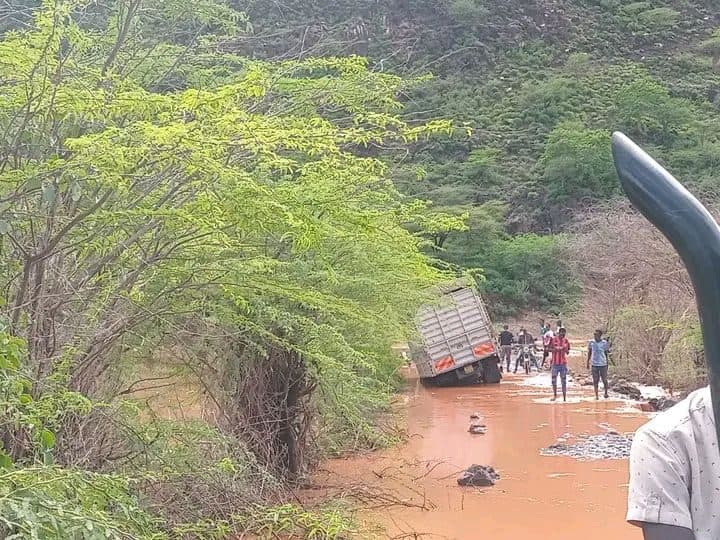
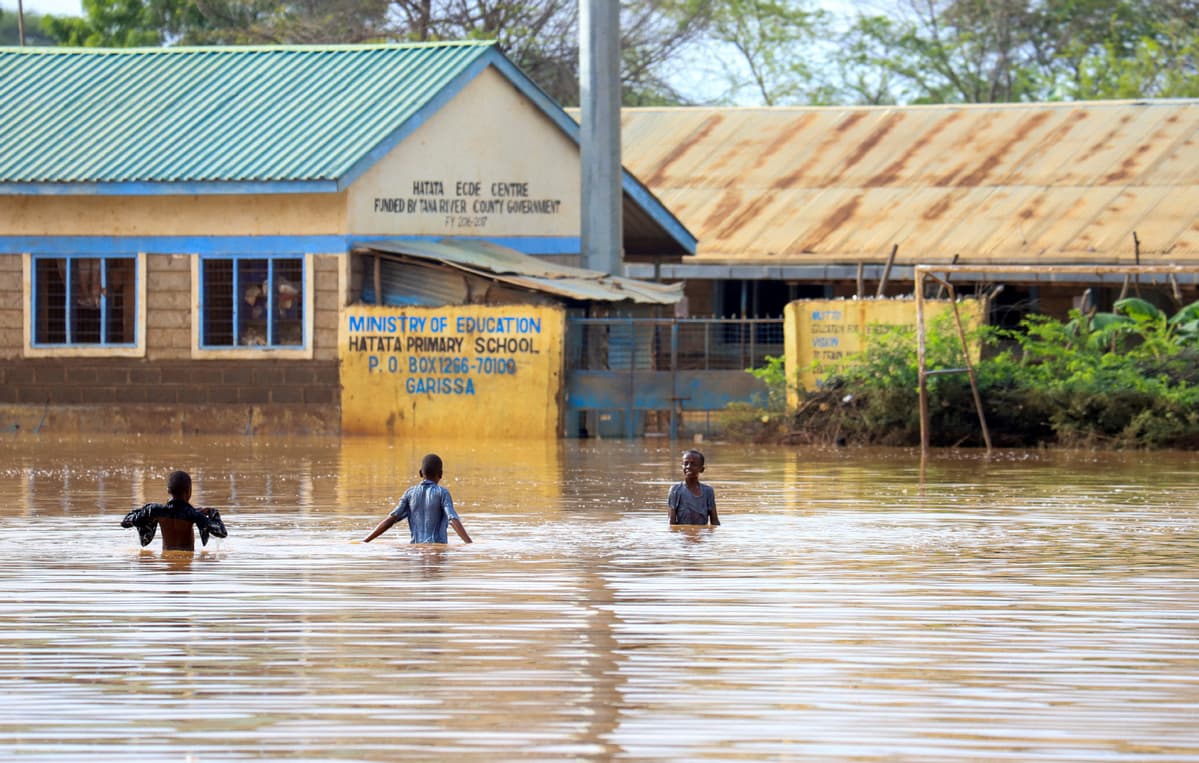
Learning has been severely disrupted across parts of Baringo County following persistent flooding caused by the swelling of Lake Baringo and Bogoria, leaving thousands of students stranded and key school infrastructure destroyed.
According to recent reports, more than 18 schools in Baringo South, including primary, secondary, and Early Childhood Development (ECD) centres, have been submerged or rendered unusable. Classrooms, teachers’ quarters, and administrative blocks have been swept away or damaged beyond repair.
“This is the worst we have seen in years,” said a local education officer. “Entire schools have disappeared under water, and we are now forced to rethink how learning can continue under such conditions.”
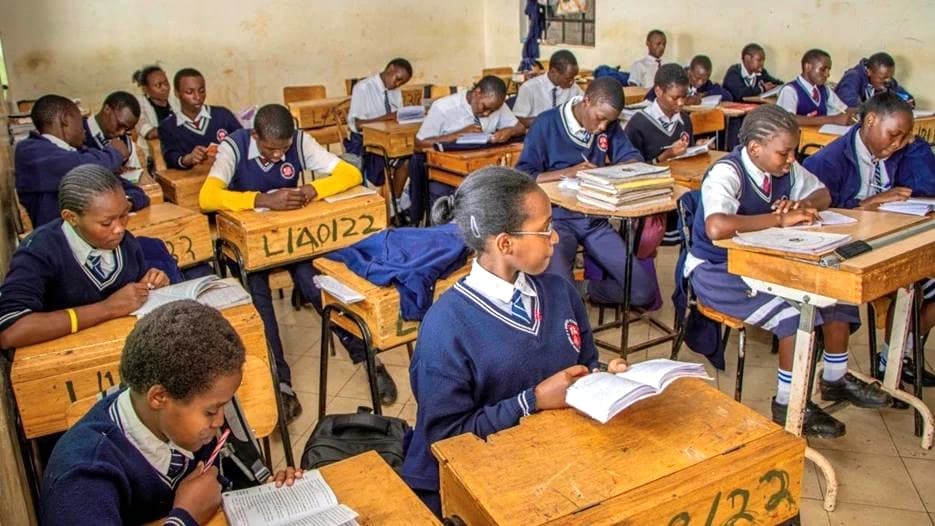
At institutions such as Salabani and Noosukuro Primary Schools, education has come to a standstill. Thousands of learners have been forced out of classrooms, with some schools relocating to makeshift sites while others suspending learning indefinitely.
“We have no choice but to teach under trees,” said a teacher at Noosukuro Primary School. “When it rains, we stop learning. When it’s too hot, the children cannot concentrate. It is not a conducive environment at all.”
Students have also expressed frustration and fear. “We want to learn, but the school is in water,” said one pupil from Sintan. “Sometimes we are scared to even come because of the animals.”
ALSO READ:
https://educationnews.co.ke/trans-nzoias-japata-secondary/
The floods have not only destroyed infrastructure but also created dangerous conditions. Rising waters have pushed wildlife such as crocodiles and hippos closer to human settlements and school compounds. “Children navigating flooded paths to access temporary learning sites face the constant risk of injury or drowning.”
Parents say the situation is worsening already fragile livelihoods. “We lost our homes and our income,” said a resident of Baringo South. “Now our children are dropping out of school because we cannot support them or even get them there safely.”
Attendance rates have plummeted, with absenteeism and school dropouts on the rise. Education stakeholders warn that prolonged disruption could have long-term consequences on academic performance, particularly in national examinations.
“The school calendar is completely disrupted,” another teacher noted. “We cannot cover the syllabus as required, and this will affect results.”
ALSO READ:
https://educationnews.co.ke/kmtc-welcomes-thousands-of-students/
Recent developments have further underscored the severity of the crisis. Schools such as Leswa, Sintan, and Longeiwan have been declared unsafe for use, while over 500 students were reported stranded earlier in 2024 as floodwaters remained high.
The Ministry of Education has also been forced to postpone school reopenings in affected areas to ensure student safety.
Officials and residents alike are now calling for urgent and long-term interventions, including the permanent relocation of schools to higher ground.
“These floods have become a recurring problem,” said a community leader. “We need a lasting solution, not temporary fixes. Our children’s future depends on it.”
Experts have linked the persistent flooding to the broader impacts of climate change, warning that without decisive action, such disruptions could become the new normal.
As waters continue to rise, the future of education in Baringo hangs in the balance, with students, teachers, and families left to navigate an increasingly uncertain reality.
By Kimutai Langat
You can also follow our social media pages on Twitter: Education News KE and Facebook: Education News Newspaper for timely updates.
>>> Click here to stay up-to-date with trending regional stories
>>> Click here to read more informed opinions on the country’s education landscape


Reader Discussion (0)
Sign in to comment