





Sometimes people create Sometimes people create stories out of bitterness or disappointment when life doesn’t go the way they hoped. As the year draws to a close, this reality becomes even more pronounced. out of bitterness or disappointment when life doesn’t go the way they hoped. As the year draws to a close, this reality becomes even more pronounced. The end of a year naturally invites reflections – on plans that failed, promises that were not kept, expectations that were not met and doors that never opened. For many, this season becomes fertile ground for resentment. It is at such moments that unresolved issues quietly transform into stories, not necessarily to reveal truth, but to soothe wounded pride and unhealed pain.
Human beings make sense of life through narrative. We tell ourselves stories about success and failure, about who wronged us and who stood by us. When the year has gone well, these stories are generous and balanced. When things go badly, they become defensive. Disappointment searches for meaning, and when honest reflection feels too painful, imagination fills the gap. As the year ends, the temptation to rewrite events in a way that absolves us completely and condemns others entirely grows stronger.
Bitterness thrives on postponement. Issues left unaddressed accumulate emotional interest. A difficult conversation avoided in March becomes a grievance by July and a full-blown narrative by December. By the time the year ends, the story feels settled, even sacred. Facts are filtered through emotion, responsibility is shifted, and the complexity of life is flattened into simple blame. What we call “speaking my truth” is often unresolved anger dressed in moral language.
This is why the end of the year is a critical moment. It offers a rare pause – a chance to interrogate our stories before they harden into identity. Not every disappointment requires a public explanation. Not every failure needs a villain. Some issues demand courage rather than commentary. Resolve your issue before it becomes your story. Speak to the person you have been talking about. Address the problem you have been narrating. Face the truth, you have been editing.
READ ALSO:
https://educationnews.co.ke/the-silent-exodus-from-the-classroom/
Society, unfortunately, rewards unresolved narratives. Audiences sympathise easily with stories of betrayal and injustice. Social platforms amplify pain faster than healing. A bitter account can earn applause, validation, and a sense of moral superiority. Yet this validation is short-lived. It does not heal the wound; it only deepens it. The storyteller remains stuck in the year that hurt them, unable to step fully into the next one.
Unresolved issues also have a corrosive effect beyond the individual. They poison institutions, families, workplaces, and communities. A personal disappointment, when narrated carelessly, becomes collective cynicism. Trust erodes. Good work is dismissed. People who had no role in the original pain are implicated by association. All this was because an issue was never confronted honestly when it first arose.
As the year ends, resolution is not about pretending nothing went wrong. It is about choosing integrity over impulse. Resolution may mean apologising where pride has held you back. It may mean forgiving where bitterness has taken root. It may mean accepting loss without inventing enemies. In some cases, resolution means walking away quietly rather than burning bridges loudly. Growth often happens in silence, not in stories.
This season invites challenging but liberating questions. What am I carrying that no longer serves me? Which narrative have I been repeating to avoid responsibility? What conversation, if held honestly, would free me from this cycle? The answers are rarely comfortable, but they are always clarifying. They separate truth from theatre, healing from performance.
There is dignity in closing a year with unresolved dreams but a resolved heart. Life does not require that everything work out, but it does require that we deal honestly with what did not. Bitterness keeps the wound open; resolution allows it to scar and heal. Stories born of disappointment may attract attention, but they rarely bring peace.
As the year ends, choose resolution over revision. Resolve your issue before it defines your voice, your relationships, or your future. Carry lessons forward, not grudges. Let this year’s story be one of growth, not grievance. In doing so, you enter the new year lighter, clearer, and free from the burden of narratives that were never meant to be permanent.
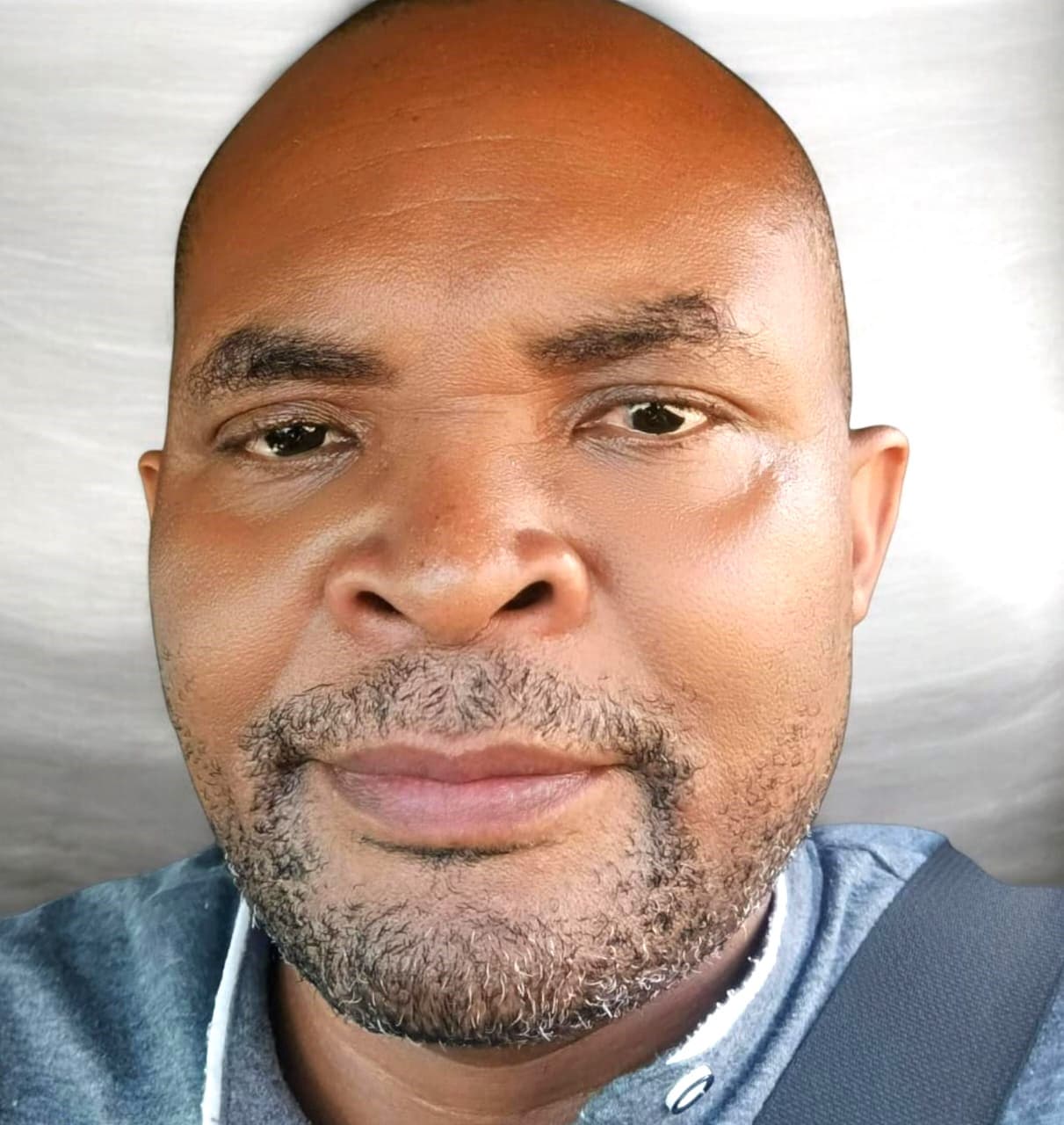
By Ashford Kimani
Ashford teaches English and Literature in Gatundu North Sub-county and serves as Dean of Studies.
You can also follow our social media pages on Twitter: Education News KE and Facebook: Education News Newspaper for timely updates.
>>> Click here to stay up-to-date with trending regional stories
>>> Click here to read more informed opinions on the country’s education landscape


Reader Discussion (0)
Sign in to comment