




Kenya’s efforts to tackle gender inequality, child protection, and cultural development are increasingly under pressure due to funding shortfalls and weak coordination, lawmakers have warned.
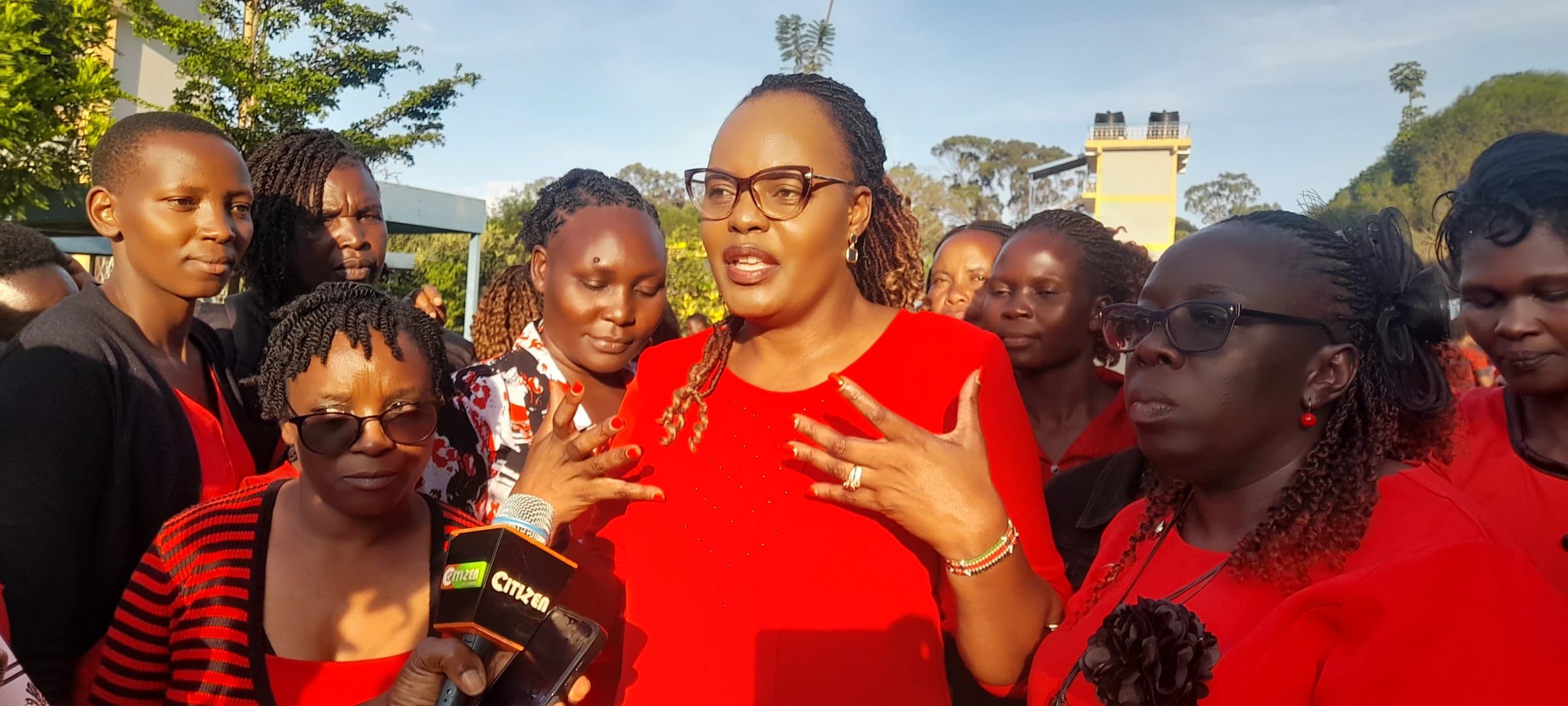
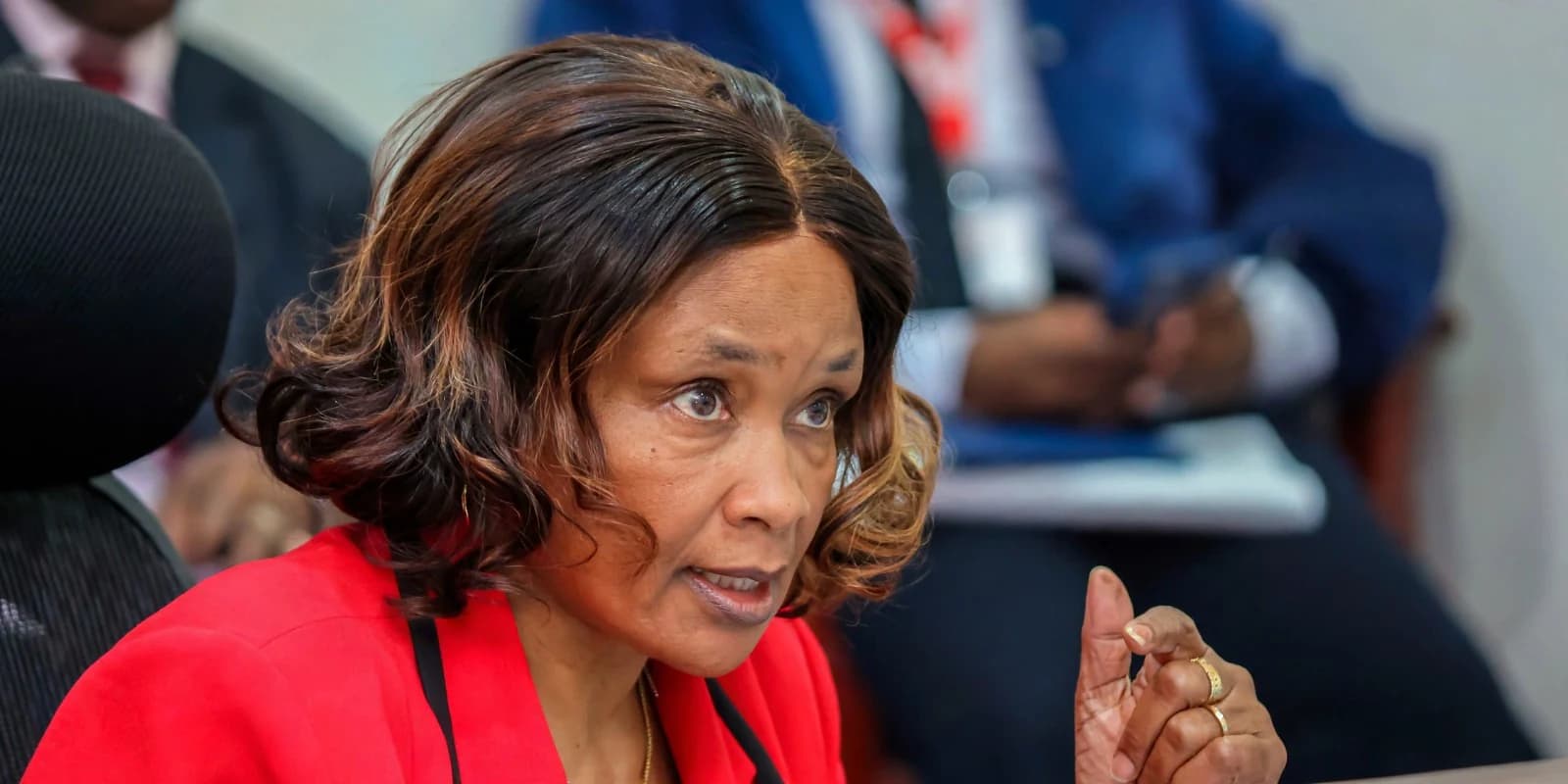
During a forum with the Ministry of Gender, Culture, and Children’s Services, Cabinet Secretary Hanna Wendot Cheptumo highlighted overstretched systems struggling to meet demands in areas like child protection, gender-based violence (GBV), and family planning.
She cautioned that vulnerable groups, including women, children, and young men, risk being left behind without increased investment and more inclusive strategies.
Presenting the 2026 Budget Policy Statement, the ministry revealed that critical programs are facing severe underfunding.
ALSO READ:
https://educationnews.co.ke/tsc-releases-approved-subject-combinations-for-secondary-school-teachers/
Officials noted rising pressures on child protection services, GBV response, and family planning, with inadequate resources to meet growing needs.
Cheptumo also shared disturbing reports of children housed in dilapidated institutions, some waiting up to two years for unresolved cases, worsening their distress.
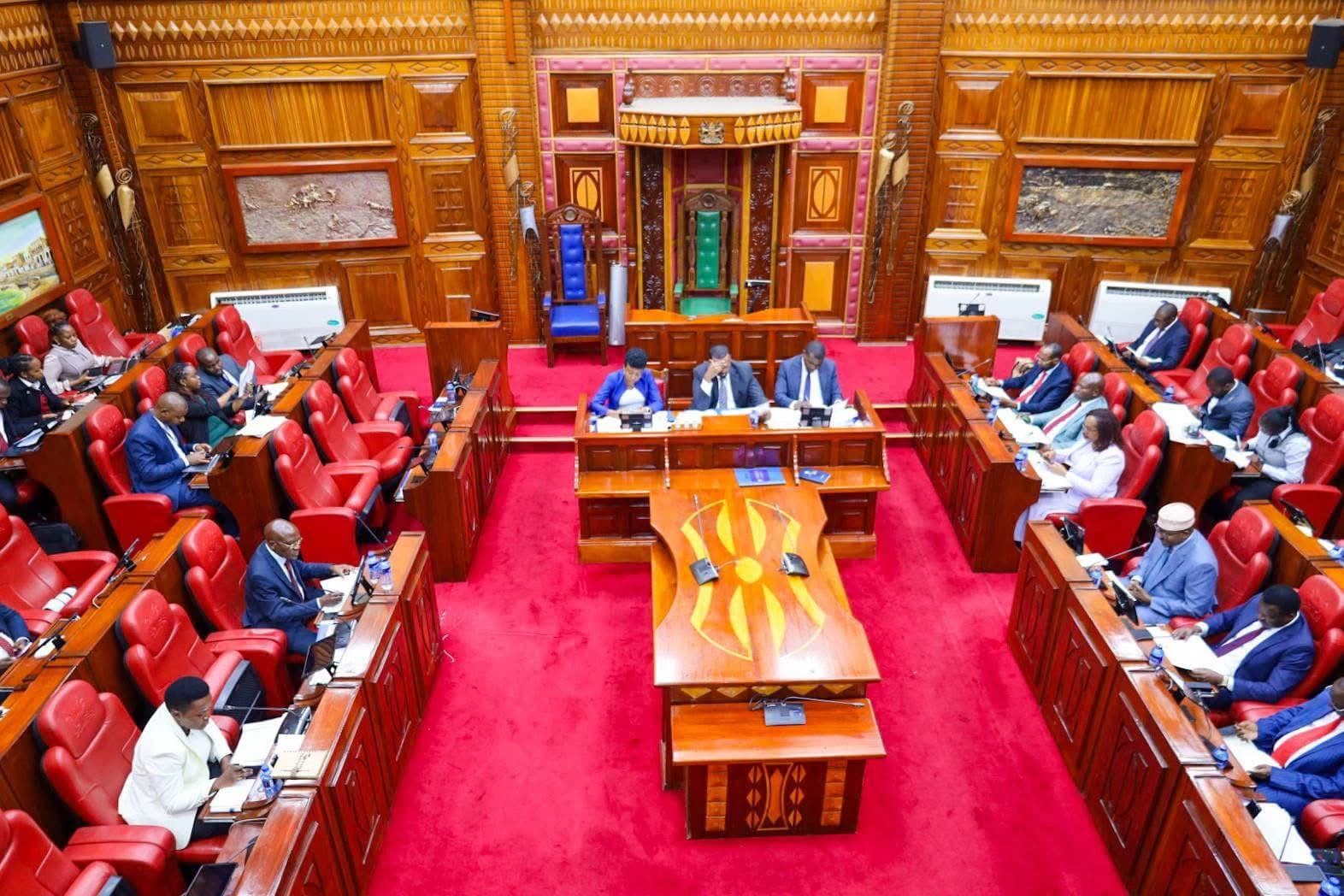
Nominated Senator Crystal Asige raised concerns over a family planning crisis, pointing to reduced donor support and a significant funding gap of KSh 2.8 billion needed annually, which contributes to higher unintended pregnancies and maternal deaths.
Senators also called for a more inclusive gender policy that addresses challenges facing men, with Sen. Alexander Mundigi emphasizing the need to involve boys in gender programs.
Principal Secretary for Gender and Affirmative Action Anne Wangombe acknowledged that the growing isolation of young men is contributing to issues like substance abuse and GBV.
Senator Asige also warned that the focus on physical infrastructure risks neglecting social cohesion.
RELATED:
https://educationnews.co.ke/gender-cs-raises-over-prolonged/
Principal Secretary for Culture, the Arts and Heritage Ummi Bashir outlined plans to strengthen cultural programs, but admitted that funding and coordination issues with counties remain a challenge.
Lawmakers urged better coordination, stronger accountability, and clearer program designs to address the intertwined issues of gender, culture, and social development.
They also stressed the importance of engaging communities beyond Nairobi. Ongoing reforms, including new GBV legislation, are expected to guide future efforts.
By Obegi Malack
You can also follow our social media pages on Twitter: Education News KE and Facebook: Education News Newspaper for timely updates.
>>> Click here to stay up-to-date with trending regional stories
>>> Click here to read more informed opinions on the country’s education landscape

Reader Discussion (0)
Sign in to comment