The debate over who should take responsibility for teaching basic literacy and numeracy—from pre-primary learners through senior school—has turned into a national blame game. Primary schools insist they have done their part; junior secondary schools complain of underprepared learners; and senior schools raise concerns about academic readiness.
Beneath these complaints lies a deeper systemic issue: the breakdown of the learning continuum in the Kenya Competency-Based Education (CBE)—and a persistent impasse between primary and junior secondary schools that must be ironed out conclusively.
Literacy and numeracy are foundational skills. Learners who can read fluently and perform basic arithmetic are better prepared for increasingly complex learning tasks as they progress. Yet in Kenya, learners often move from one level to the next without mastering these basics, leaving each stage to compensate for gaps created earlier.
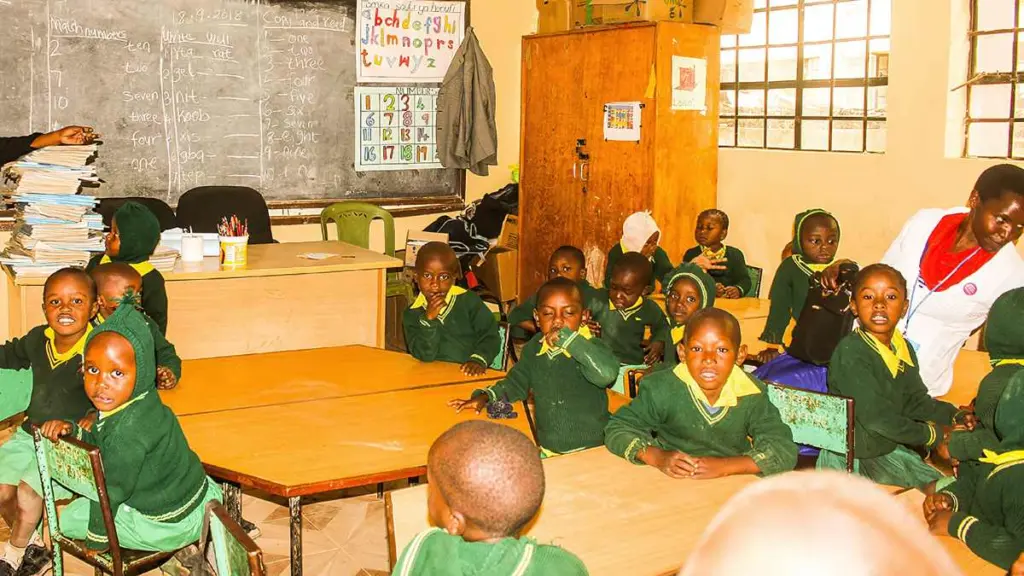
At the earliest level, Early Childhood Development Education (ECDE) introduces learners to letters, sounds, numbers, counting, and simple arithmetic. Some learners leave ECDE already able to read simple words and perform basic calculations, proving that early literacy and numeracy are achievable. However, weak continuity between ECDE and primary school often causes these early gains to fade.
Lower primary, covering grades one through three, is meant to consolidate literacy and numeracy. Learners are expected to read fluently, write sentences, express ideas, and master addition, subtraction, multiplication, and division. This stage should secure the foundation for all future learning. Unfortunately, overcrowded classrooms, limited teaching resources, and uneven instructional quality leave some learners struggling while others stagnate for lack of challenge.
By upper primary, grades four to six, literacy and numeracy are no longer new concepts. The focus shifts to reading more complex texts, applying arithmetic to real-life problems, and developing reasoning and comprehension skills. Yet progression is often based on grade advancement rather than true mastery, leaving gaps that will soon be inherited by junior secondary schools.
It is at junior secondary (grades seven to nine) that the consequences of these gaps become most visible. Junior secondary schools were designed to deepen literacy and numeracy and introduce critical thinking, but they often inherit learners who cannot read fluently or perform basic arithmetic. This has created a tense standoff between primary and junior secondary teachers.
ALSO READ:
Laikipia University announces phased reopening amid tensions following fatal protest
Primary schools insist they taught the curriculum fully and promoted learners according to standards. Junior secondary teachers argue that they are forced to reteach basics while also teaching higher-order skills. This impasse, left unresolved, compromises learners’ progress and clouds accountability. It must be addressed decisively, with structured collaboration and clear standards for transition, so that learners do not continue to pay the price for institutional disputes.
It is both immoral and professionally negligent to graduate a learner into JSS without foundational skills. Yet when it happens, immediate mitigation is possible. Teachers must first assess learners using diagnostic tests to identify reading and arithmetic gaps. Structured remedial programs should follow, prioritizing foundational literacy and numeracy, using small group instruction, scaffolding, visual aids, peer mentoring, and guided practice. Skills should be reinforced across subjects, and learners’ emotional and motivational needs must be addressed to prevent low self-esteem from compounding academic struggles.
Parental engagement is critical. Parents should be informed of gaps and guided on home support, including reading together, practicing arithmetic, and using learning tools. Teachers must maintain continuous monitoring and communicate progress, ensuring parents are partners in bridging the gap.
Moreover, collaboration between primary and junior secondary teachers is essential. Understanding what was covered at primary school, aligning remedial strategies, and sharing accountability ensures that learners experience a smoother transition. At the policy level, competency-based promotion standards, institutionalized bridging programs, and teacher training in remedial strategies are vital safeguards against recurrence.
Despite these challenges, junior secondary schools can successfully teach literature by building on whatever literacy skills learners bring from primary school. Introducing short stories and familiar themes allows learners to grasp plot, character, setting, and themes.
Critical thinking is encouraged through analyzing motivations and literary devices, while writing exercises such as summaries, character diaries, and reflections reinforce literacy. Group activities—literature circles, dramatizations, and debates—foster collaboration, and scaffolding supports struggling learners to catch up. This approach strengthens literacy while fostering analytical and creative thinking, skills vital for senior school.
ALSO READ:
Baringo Central MP launches Ksh73 million bursary fund, commissions classrooms
Senior school expects learners to read independently, think analytically, and apply literacy and numeracy across subjects. When learners arrive unprepared, teachers face a dilemma: slow the curriculum to accommodate struggling students or leave some behind, creating frustration for both learners and teachers. The consequences of gaps from earlier stages ripple through the entire system.
The underlying problem is clear: progression without mastery. Early gains at ECDE are lost; weak foundational skills at primary compromise junior secondary learning; senior school inherits learners unprepared for specialization. The ongoing blame game and unresolved impasse between primary and junior secondary schools obscures the systemic nature of the failure. Learners are caught in the crossfire of institutional disputes rather than being supported to succeed.
Addressing this requires shared responsibility and decisive action. ECDE must nurture literacy and numeracy from the start. Primary schools must guarantee mastery of core skills. Junior secondary must work closely with primary schools to ensure smooth transitions, supported by structured remedial programs and progressive literature instruction. Senior schools should focus on specialization, assuming learners are ready. Policy makers must enforce competency-based transitions with clear standards for promotion and mastery at every stage. Without this alignment, learners will continue to bear the brunt, and disputes between schools will persist.
Education is a continuum. When one level fails, the next inherits the burden. The tension and impasse between primary and junior secondary schools is real—but it must be resolved conclusively. Structural gaps, not teacher incompetence, are the true culprits. Until mastery is enforced, collaboration replaces blame, and underprepared learners are supported through clear interventions, the cycle of systemic failure will continue. Every child deserves the right to progress academically without being set up to fail.
By Hillary Muhalya
You can also follow our social media pages on Twitter: Education News KE and Facebook: Education News Newspaper for timely updates.
>>> Click here to stay up-to-date with trending regional stories
>>> Click here to read more informed opinions on the country’s education landscape