




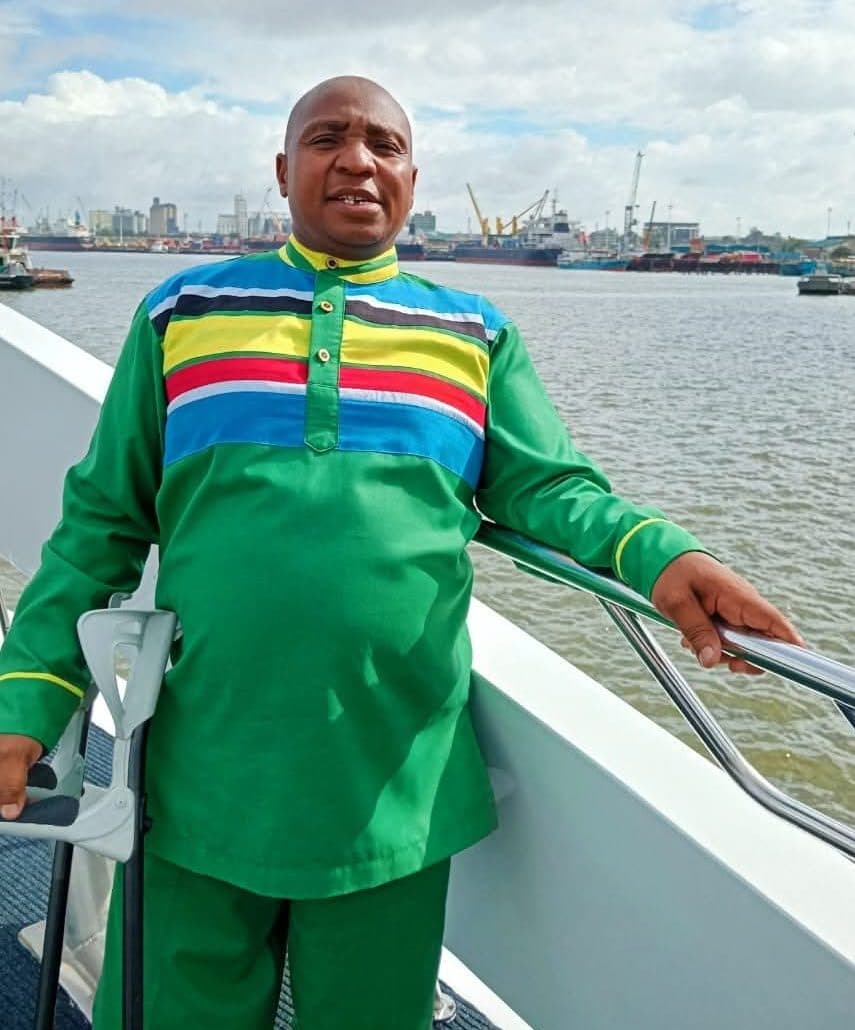
East African Legislative Assembly (EALA) Member of Parliament, MP David Ole Sankok has renewed calls for a bold reform in Kenya’s education funding, urging the government to disburse bursaries and capitation directly to schools rather than routing them through multiple boards and committees saying that waste resources and fuel corruption.
Sankok, who brought the proposal as a nominated Member of Parliament in 2020, said the motion was passed but never implemented.
“The country must now start this conversation, even though I am currently serving in the regional geopolitical space,” he stated.
According to Sankok, the government spends over Ksh306 billion annually on students through various channels, including HELB loans, NGAAF bursaries, NG-CDF bursaries, presidential bursaries, students’ capitation, county government bursaries and university funding.
Alarmingly, about Ksh 200 billion of this goes to salaries, allowances, per diems, meals, travel and other benefits for members of NG-CDF boards, NGAAF coordinators, county bursary boards and 1,800 ward committees.
“This system is inefficient and prone to abuse. Some leaders enjoy being worshipped like demi-gods, and board members take up to 20 percent of funds as administrative fees, on top of kickbacks,” he explained.
Sankok also criticized the extravagant spending during bursary launches and cheque handovers.
ALSO READ:
https://educationnews.co.ke/slow-reporting-marks-first-intake-of-grade-10-learners-as-parents-cite-fee-challenges/
“Millions are wasted on fanfares, event organizers, fuel for guzzler vehicles and even helicopters. This is money that should go directly to students,” he said.
He cited instances where NG-CDF committees created briefcase schools with ghost students to channel bursaries into private pockets, despite the government having Nemis registration data for all students.
The EALA legislator proposes that the government disburse all student funding directly to schools based on Nemis registration, just as it currently does with capitation fees.
He believes this approach would save parents and students the stress of moving from office to office, reduce bureaucratic inefficiencies, curb corruption and ensure that every student receives the funds intended for their education.
“Parents and students will support this because it guarantees transparency, efficiency and real access to education,” he said.
His proposal has reignited a nationwide debate on how best to make education fully free in Kenya, focusing on accountability, direct support for students, and removing intermediaries that have long dominated the bursary system.
By Our Reporter
You can also follow our social media pages on Twitter: Education News KE and Facebook: Education News Newspaper for timely updates.
>>> Click here to stay up-to-date with trending regional stories
>>> Click here to read more informed opinions on the country’s education landscape
Reader Discussion (0)
Sign in to comment