

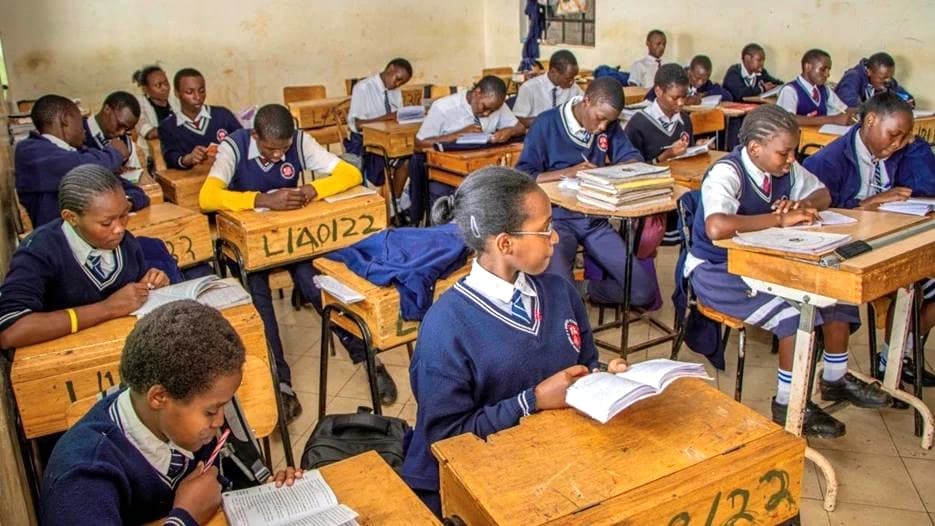



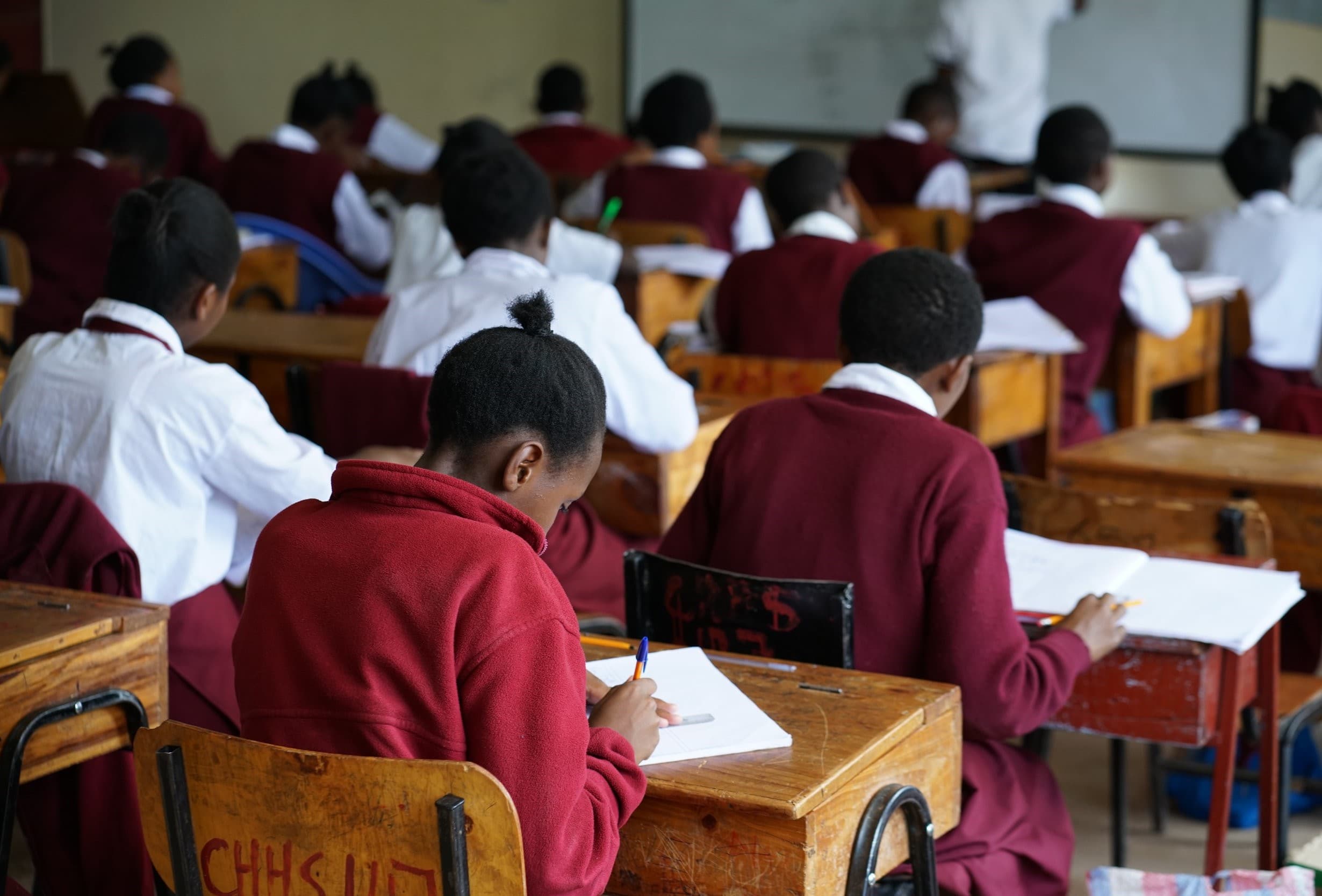
Kenya is standing at a rare and defining educational moment. For the first time, learners are entering Senior School under the Competency Based Education system, not as beneficiaries of the familiar 8-4-4 structure, but as pioneers of a completely new academic order. Former secondary schools have been redesignated as Senior Schools, tasked with nurturing specialised skills, competencies and pathways that will shape the nation’s future workforce. As the country debates infrastructure, pathways, teachers and resources, one seemingly simple but profoundly powerful issue demands urgent national attention: the question of uniform.
All learners joining Senior School should wear the same uniform across the country.
This is not a cosmetic argument. It is a matter of equity, discipline, identity, cost and national vision. Senior School under CBE is not a continuation of institutional branding or legacy school culture. It is a national level of learning, designed to prepare young Kenyans for adulthood, productivity and citizenship. At this stage, learners are no longer merely representatives of individual schools; they are representatives of the Kenyan education system itself. A single national uniform would boldly affirm that reality.
ALSO READ:
https://educationnews.co.ke/designing-the-ideal-stem-laboratory-for-competency-based-education/
CBE places equity at its core, at least in principle. It promises to recognise talent over background, ability over privilege and potential over pedigree. Yet allowing different Senior School uniforms, some elaborate and expensive, others modest and basic, would quietly dismantle that promise. Uniform differences will quickly translate into visible class distinctions. Corridors will become silent theatres of comparison. Confidence will be shaped not by competence but by appearance. A national uniform level sets the field before learning even begins. The learner from a marginalised county stands shoulder to shoulder with one from an affluent suburb, equal in appearance, equal in dignity, equal in opportunity. CBE cannot claim fairness while perpetuating inequality.
Uniformity also speaks directly to discipline. Discipline is not merely enforced through rules and punishment; it is cultivated through structure and visual order. What a learner wears every day shapes how they think, behave and engage. A common uniform eliminates endless debates over colour shades, skirt length, shoe types, badges, sweaters and blazers. It removes distractions that steal time and authority from teachers and administrators. It signals seriousness. Senior School is not a fashion experiment or a branding contest. It is a place of focused preparation, responsibility and growth.
The economic argument is equally compelling. Uniform diversity is costly and Kenyan parents know this pain too well. Different schools demand different fabrics, logos, tailors, accessories and frequent ‘updates’ disguised as school culture improvements. For families already strained by fees, transport and basic needs, uniform costs become an unnecessary burden. A national uniform would allow standardisation, mass production and price regulation. It would protect parents from exploitation and reduce the quiet commercialisation that has crept into education spaces. Any reform that ignores the financial reality of households risks alienating the very citizens it seeks to serve.
There is also a deeper national question at play: identity. Today’s Senior School learners are growing up in a fragmented world shaped by social media, global trends and constant comparison. A shared uniform becomes a stabilising symbol in that noise. It quietly tells learners that beyond tribe, class, region or school history, they belong to something larger. Just as national teams wear one kit and disciplined forces wear one uniform, Senior School learners deserve a shared visual identity that reflects unity, purpose and national pride. It is not about suppressing individuality; it is about anchoring it.
ALSO READ:
https://educationnews.co.ke/government-unveils-proposals-to-restructure-cbc-for-junior-and-senior-schools-2/
The transition from Junior School to Senior School is already complex. Learners are navigating new academic pathways, different assessment models and higher expectations. A common uniform would ease that transition by removing anxiety about fitting in or standing out visually. When appearance is settled, attention shifts to learning. Instead of asking whether they look right, learners begin to ask whether they are thinking right, creating right and preparing right for life beyond school. That is the essence of CBE.
A national uniform would also refocus competition where it belongs. Schools should distinguish themselves through quality teaching, innovation, learner support, mentorship, and outcomes; not through fabric, colour or branding. Uniformity strips away superficial rivalry and challenges Senior Schools to compete on substance. It brings authority without noise and confidence without intimidation.
Kenya’s first Senior School cohort will be remembered. Years from now, the country will reflect on the choices made at the birth of this system. Uniform may appear like a small detail, but it carries symbolic, psychological and economic weight. If Senior School is truly national, equitable, disciplined and future facing, then it must look the part.
One nation. One system. One Senior School uniform. Because when learners dress the same, their potential is finally allowed to differ; not their privilege.
By Angel Raphael
Raphael is a teacher and education commentator on Kenya’s Competency-Based Education reforms
You can also follow our social media pages on Twitter: Education News KE and Facebook: Education News Newspaper for timely updates.
>>> Click here to stay up-to-date with trending regional stories
>>> Click here to read more informed opinions on the country’s education landscape
>>> Click here to stay ahead with the latest national news.



Reader Discussion (0)
Sign in to comment