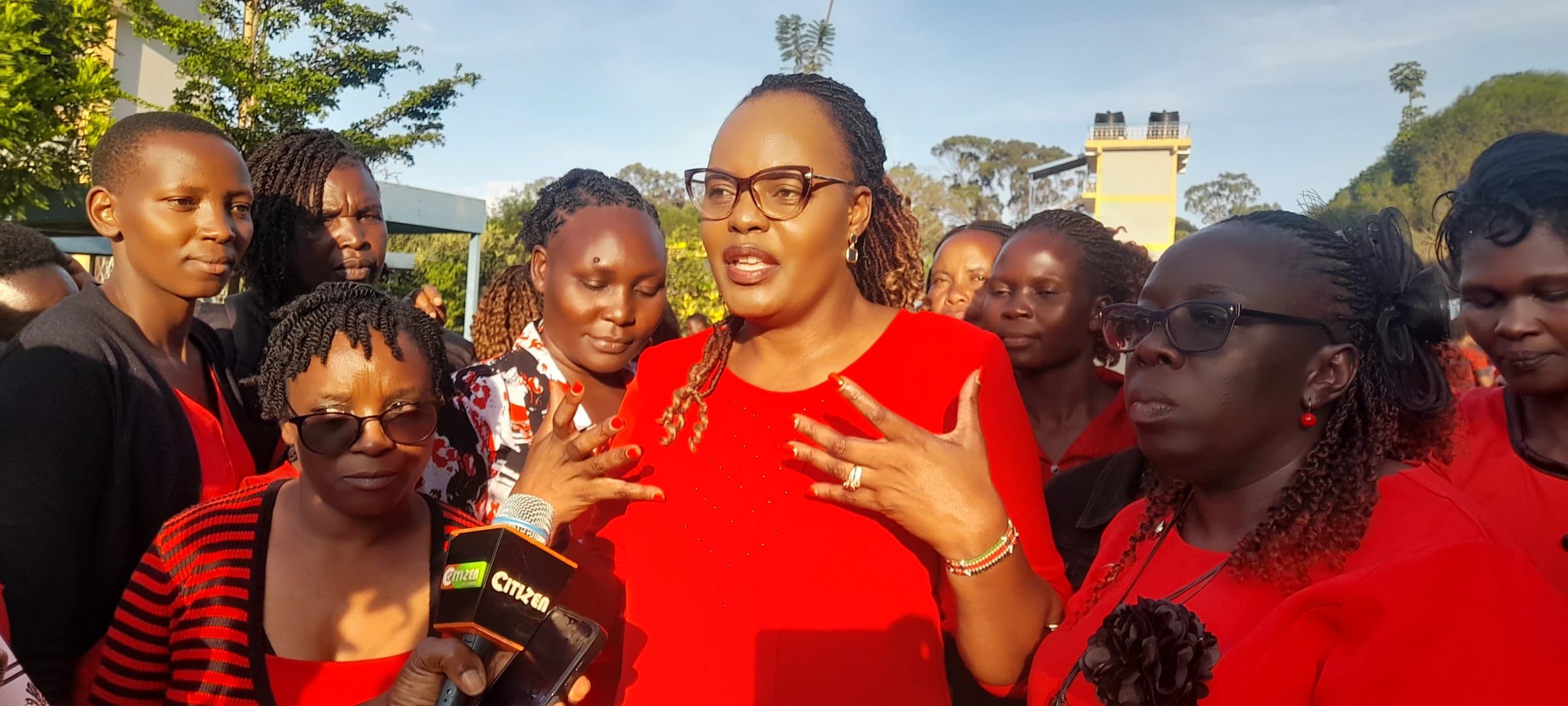


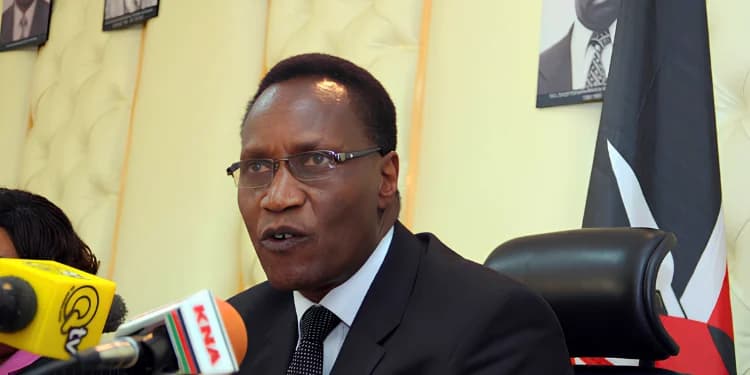
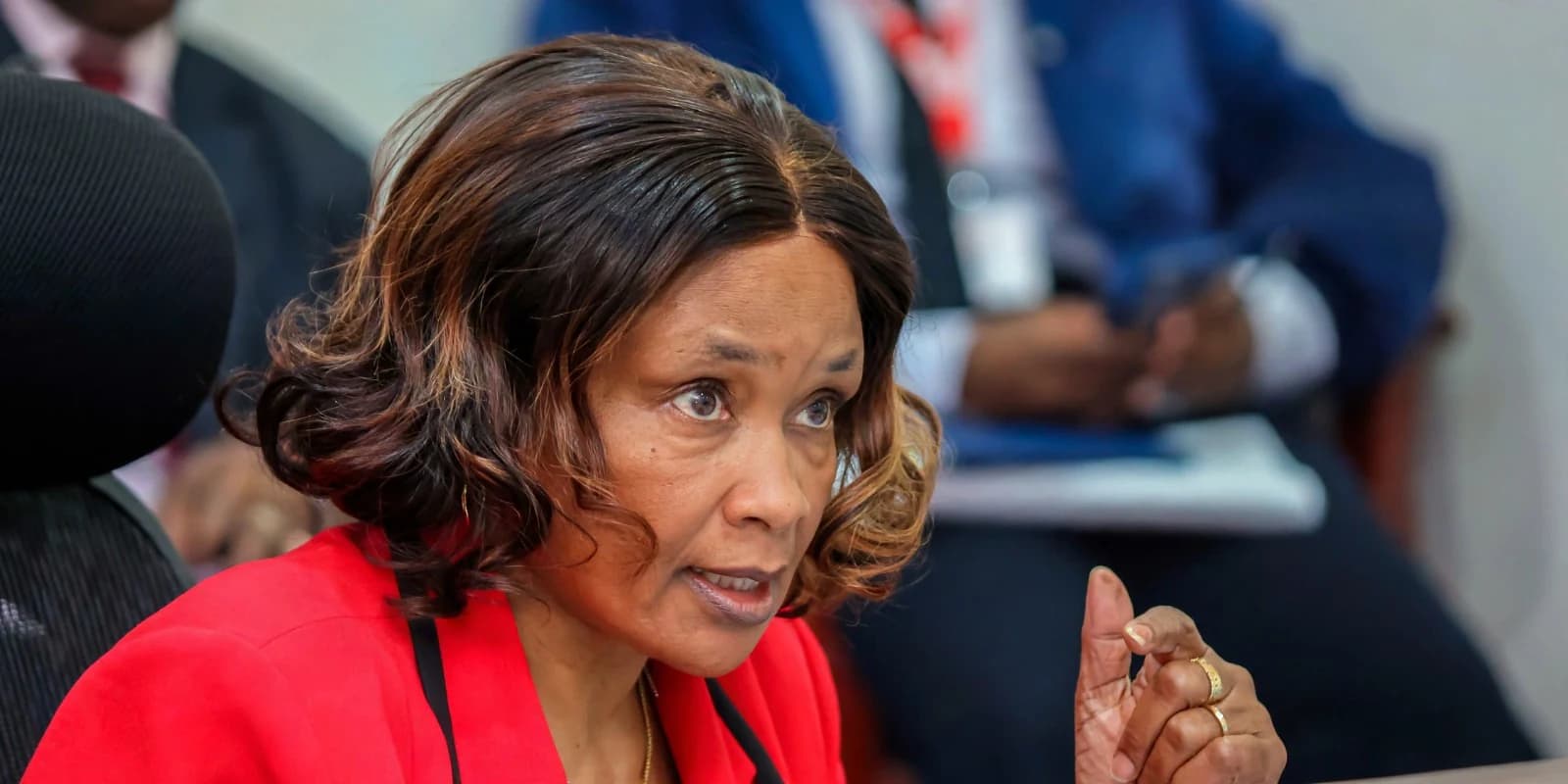


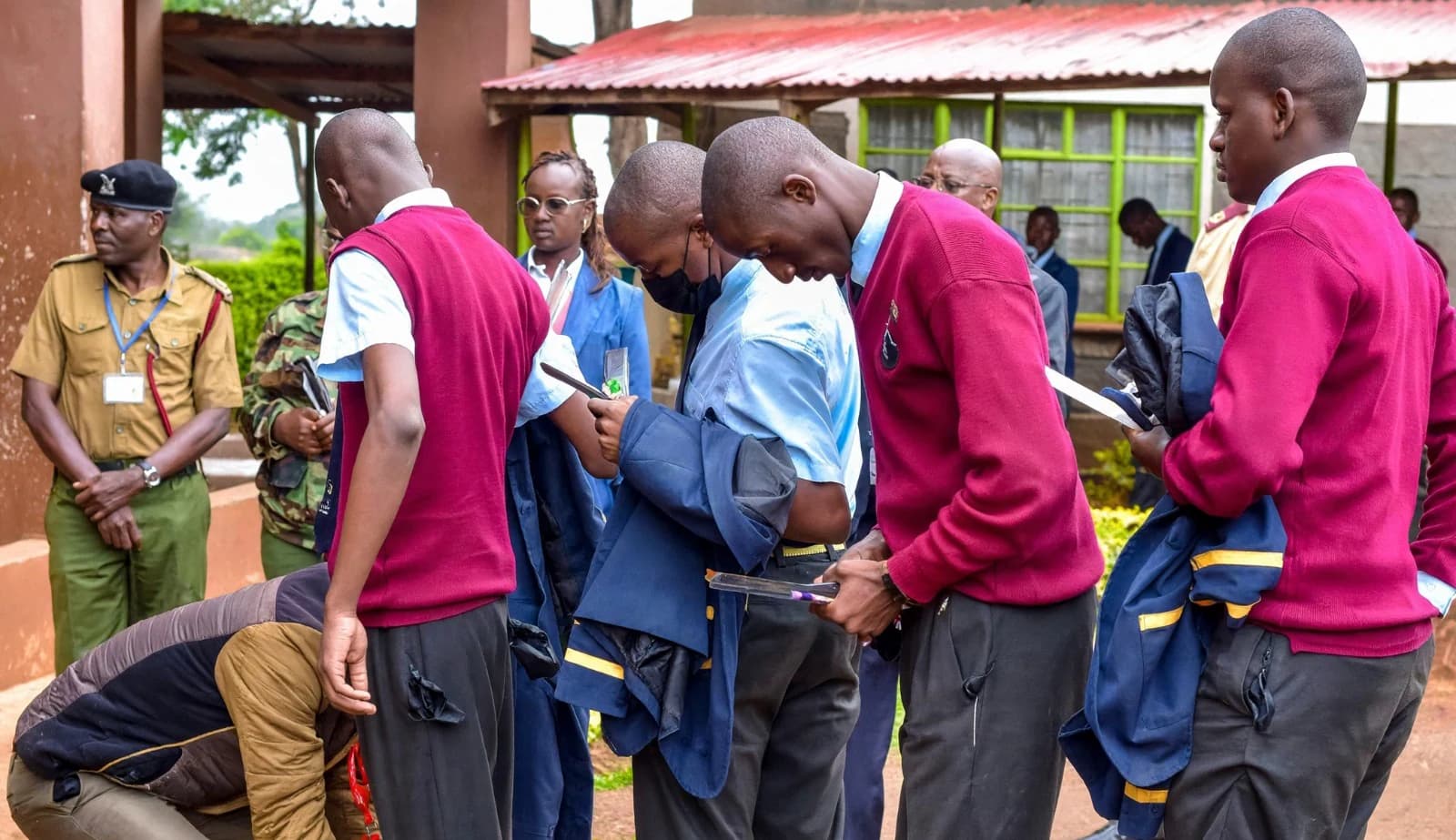
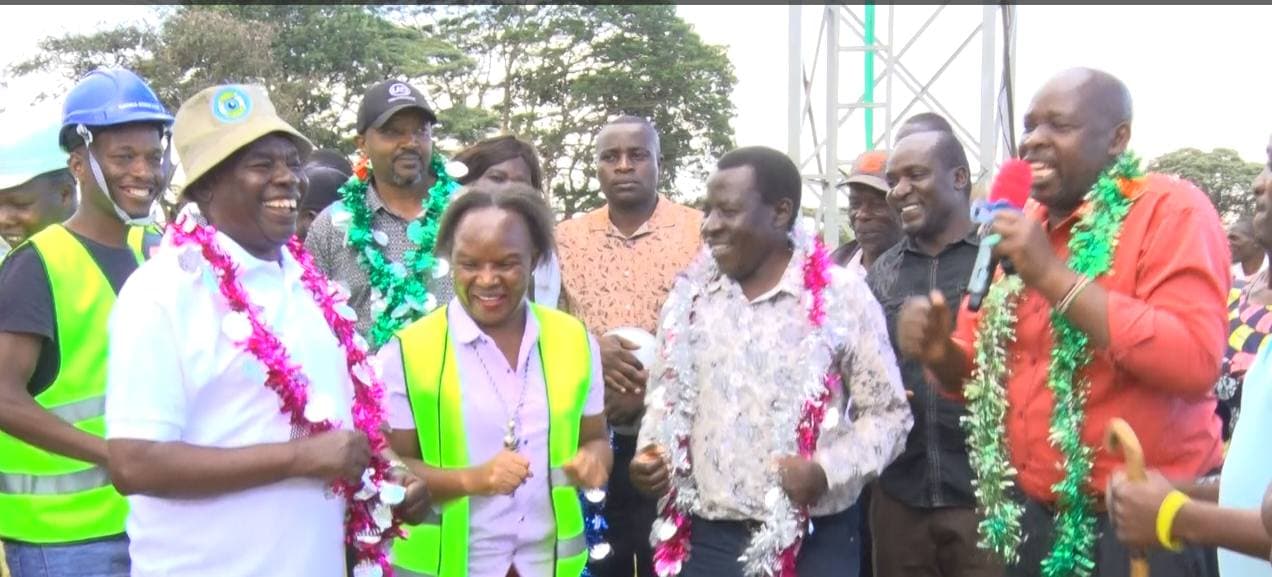
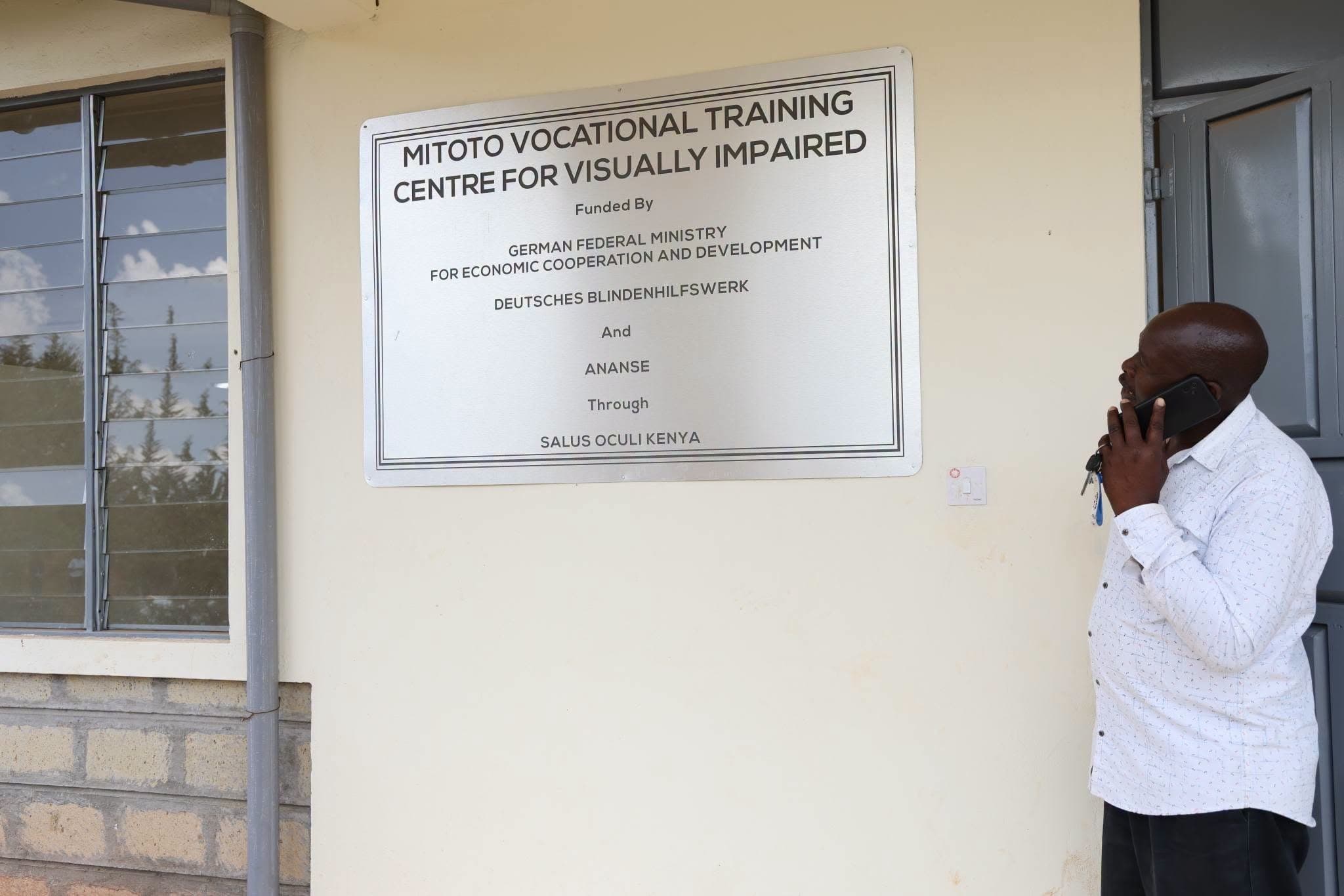
Salus Oculi Kenya (SOK), a charitable organization, has donated Ksh36 million to boost the push for inclusive education in Trans Nzoia County. The funding is earmarked for the development of key facilities at the Mitoto Vocational Training Centre, ensuring specialized infrastructure for its visually impaired learners.
The funds will facilitate the construction of dormitories, classrooms, a bakery, dining hall, kitchen, sheep pen and other essential amenities, laying the foundation for what will become the first vocational training institution for the visually impaired in the western region.
Speaking during the groundbreaking ceremony, County Executive Committee Member for Education and Vocational Training, Janerose Nasimiyu Mutama, lauded the partnership as a historic milestone.
“This is a great blessing for Trans Nzoia. For the first time since independence, we are establishing a vocational training centre specifically for the visually impaired,” she said. “Education is a shared responsibility. Parents, government, donors and local leaders all have a role to play.”
ALSO READ:
https://educationnews.co.ke/knut-lauds-west-pokot-teachers-for-investing-in-housing-and-community-projects/
Ms Mutama noted that the county, working with Kiminini MCA Joshua Amwai, had already purchased land for the institution, while Safaricom financed the construction of the initial classrooms. With support from Governor George Natembeya, the county will put up a perimeter fence, sanitation facilities and seek an additional acre for future expansion.
She further announced that learners at the centre will now receive Sh18,000 capitation—equal to students in the county’s other vocational centres up from the previous Sh1,700. The county will also cater for examination fees due to the learners’ special needs.
The CEC assured ECDE caregivers and VTC instructors currently volunteering that they will be prioritised for employment once staffing plans are concluded. “By January, we shall issue official communication on the employment of ECDE teachers and VTC instructors,” she said.
Chief Officer for Education and Vocational Training, Kennedy Etiang, said the county has already identified a contractor to commence fencing works immediately. He also issued Sh147,000 in cheques to 49 visually impaired learners currently enrolled at the centre.
Mr Etiang revealed that starting next year, each student will receive Sh18,000 capitation and Sh3,000 bursary,totalling Sh21,000 annually. He applauded the Salvation Army Church for supporting the learners with lunch, adding that the county will also step in to ensure consistent meal provision.
He urged institutional managers to uphold strict accountability. “Every shilling must be accounted for to ensure smooth running of these institutions,” he said.
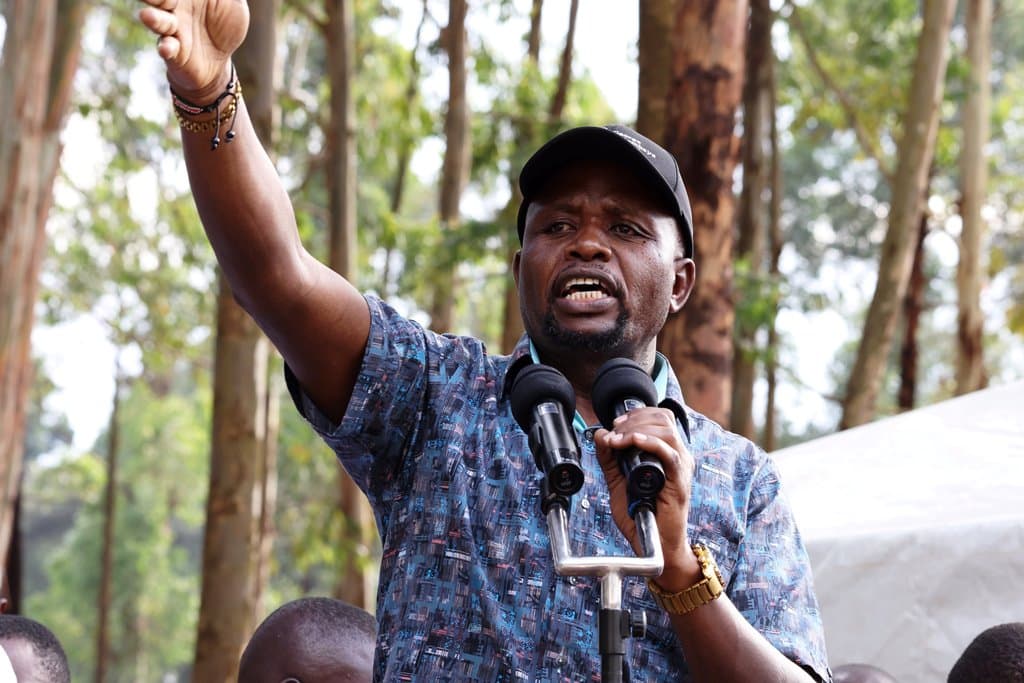
Kiminini MCA Joshua Amwai praised the partnership, noting that his office allocated Sh3 million from ward funds to acquire land for the project. A proposal to Safaricom secured an additional Sh5 million for classrooms and offices, while donors from Taiwan funded a Sh3.5 million solar-powered borehole.
ALSO READ:
https://educationnews.co.ke/narok-intern-becomes-first-teacher-in-kenya-to-reject-contract-renewal-over-broken-promises/
“For nearly a year, we have been working with Salus Oculi Kenya on documentation, and today we finally break ground,” he said, urging residents to support leaders focused on development and economic progress.
County Director for Vocational Training, Eliud Lusweti, described the project as transformative, noting that Trans Nzoia has lacked a vocational centre for visually impaired learners for 60 years. He said the institution is now the largest of its kind in western Kenya, attracting learners from West Pokot, Homa Bay, Siaya, Bomet and Trans Nzoia.
He also cautioned against politicising the initiative. “Stakeholders will naturally come on board when they see the impact on children with visual impairments,” he said.
Representatives of Salus Oculi Kenya,Director Thomas Ng’eno, Chairman David Mazsusa and board member Michael Ng’eno said the organisation has implemented more than 35 projects nationwide, including eye units and special schools.
Mr Mazsusa said the Mitoto project is supported by Deutches Blindenhilfswerk (DBHW), the German Federal Ministry for Economic Development and Cooperation (BMZ) and Ananse of Bielefeld, Germany. Phase one will involve construction, while phase two will equip the centre with furniture, kitchenware, Braille machines and other learning materials. The programme will also support capacity-building for teachers, parents and local leaders.
By Godfrey Wamalwa
You can also follow our social media pages on Twitter: Education News KE and Facebook: Education News Newspaper for timely updates.
>>> Click here to stay up-to-date with trending regional stories
>>> Click here to read more informed opinions on the country’s education landscape
>>> Click here to stay ahead with the latest national news.

Reader Discussion (0)
Sign in to comment