

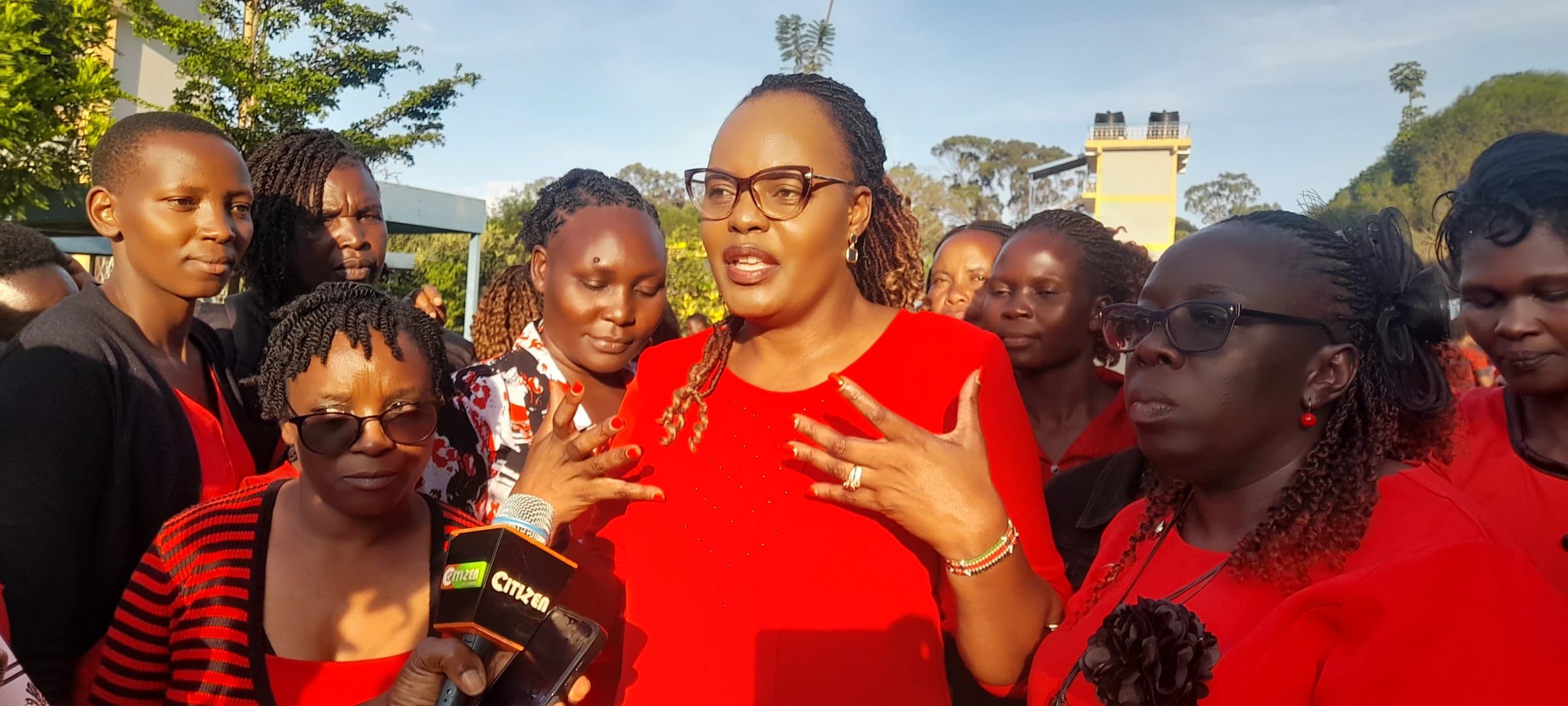


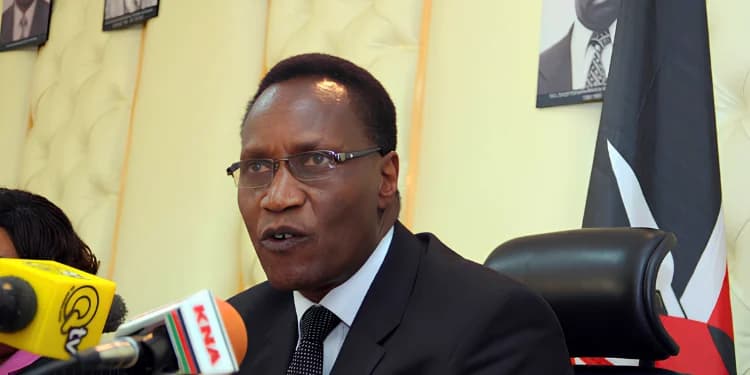
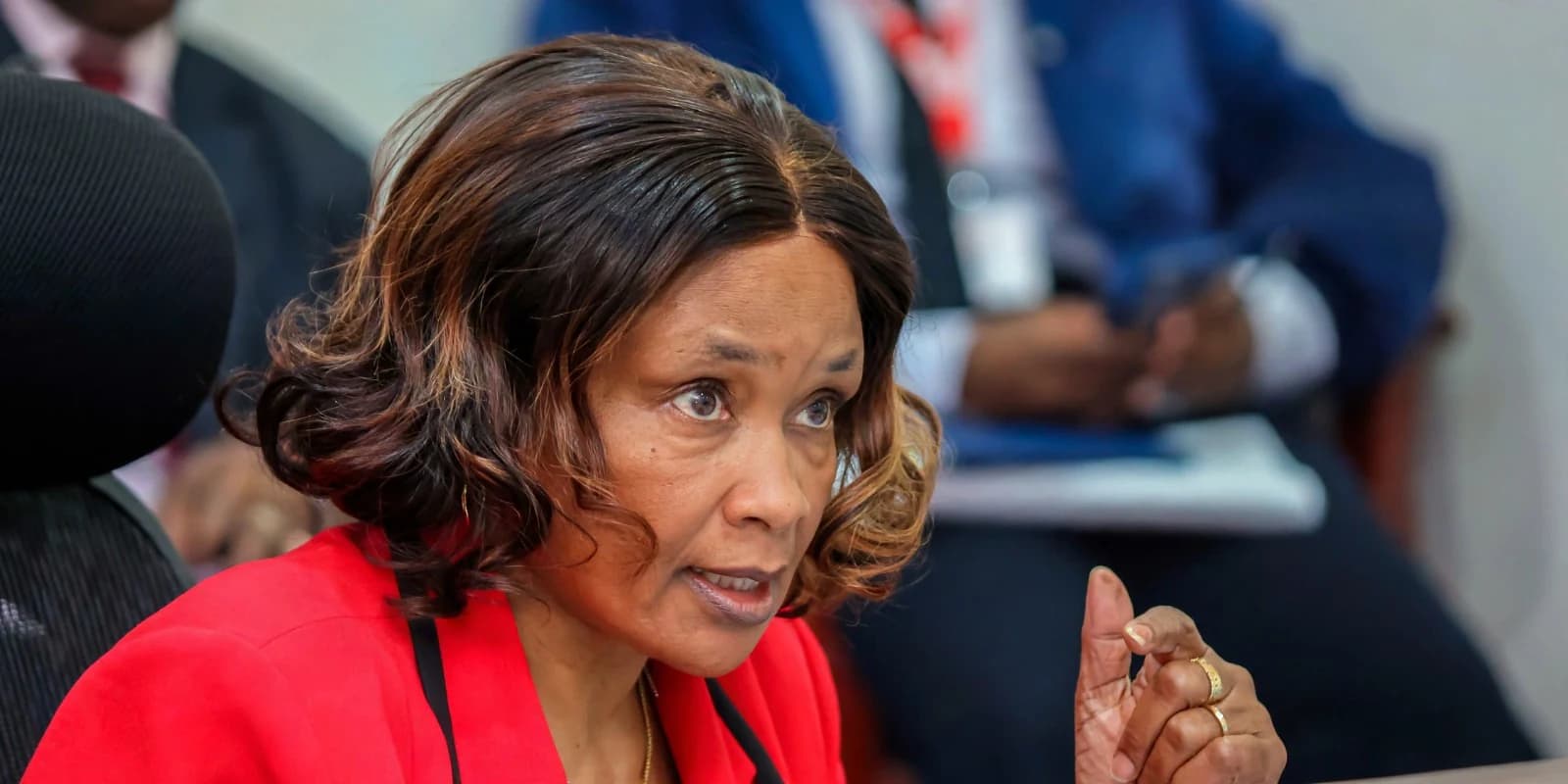


The National Council for Persons with Disabilities (NCPWD), under the leadership of Chairperson Elizabeth Chesang, has been the key body coordinating the accreditation process across Kenya. As the central institution mandated to register, verify and support persons living with disabilities, NCPWD plays a critical role in ensuring that systems reflect the realities and rights of the people they serve. Chesang emphasizes that while the Council’s role is vital, the processes must evolve to eliminate repetitive renewals, streamline services, protect rights, and treat every person with a disability with fairness, dignity and efficiency.
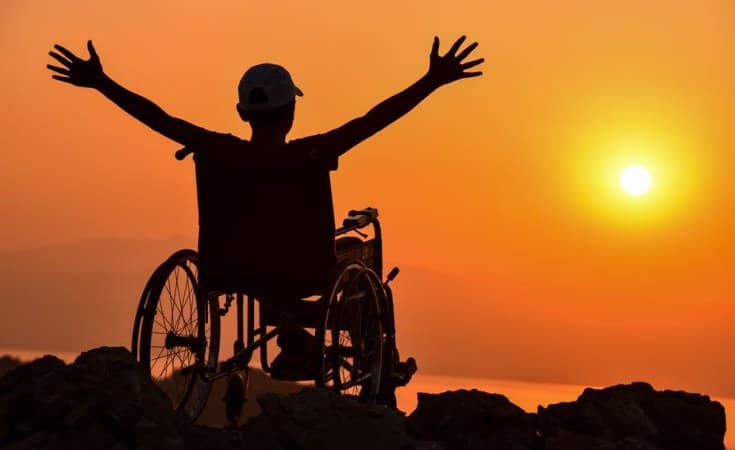
As Kenya marks World Disability Day, the country is reminded once again that the true measure of a society lies in how it treats its most vulnerable members. For decades, persons living with disabilities (PWDs) have navigated unnecessary hurdles—bureaucratic, social, economic and political—that continue to rob them of the dignity and stability they rightfully deserve. One of the most discouraging burdens is the routine requirement to renew disability accreditation, a process that is both tedious and emotionally draining. A disability, especially one that is permanent, does not expire, and therefore demanding repeated proof of it amounts to a quiet form of injustice. This is not just an administrative issue; it is a matter of respect for human dignity.
Endless accreditation has to stop forthwith. It is an outdated, punitive and unnecessary practice that subjects persons with disabilities to repetitive verification processes that add no value to their lives. Instead, it reopens emotional wounds, reinforces stigma and wastes time that could be invested in education, work or family. Once a permanent disability has been certified, that record should stand for life—full stop. The government must adopt a humane, efficient and rights-based system that respects dignity and eliminates needless bureaucracy for good.
The needs of persons living with disabilities stretch far beyond documentation. Access to education, healthcare, housing, mobility aids, employment opportunities, simplified communication tools, accessible infrastructure and psychosocial support are essential components of a dignified life. These needs are not favours—they are rights. Society must therefore move beyond tokenism and charitable gestures and adopt a rights-based approach grounded in equity and justice. For children with disabilities, early intervention services, inclusive classrooms and trained caregivers determine their trajectory. For adults, access to decent work, skill-building opportunities and reliable social protection systems are critical for independence.
ALSO READ:
https://educationnews.co.ke/arts-based-graduates-threaten-to-go-to-court-as-tsc-set-for-interns-recruitment/
Economic empowerment remains especially crucial. Many PWDs face higher living costs due to medical needs, assistive devices or transportation limitations. It is therefore morally and economically sound that persons with disabilities be fully exempted from taxation at all levels, enabling them to rebuild their lives without financial strain. These exemptions should be complemented by grants, entrepreneurship support and targeted community-based programs that promote long-term stability.
Yet even with policy commitments, stigma and segregation remain stubborn realities. As Kenya reflects on World Disability Day, it must confront the silent prejudices that shape how PWDs are treated in schools, workplaces, homes and public spaces. Stigma isolates; segregation limits; both must be eradicated with deliberate civic education and continuous awareness campaigns. Disability is not inability, and Kenya must embrace the truth that PWDs contribute immense value—intellectually, artistically, economically and socially—when given equitable opportunities.
Central to lasting change is the unwavering protection of the rights of persons living with disabilities. These rights are enshrined in the Constitution and international conventions, yet implementation remains inconsistent. PWDs must enjoy protection from discrimination, access to justice, reasonable accommodation in workplaces and institutions, and full participation in public life. Proper representation is not optional—it is essential.
Equal representation in different areas is a democratic necessity. Persons with disabilities must be fully represented in education boards, legislative bodies, public administration, corporate leadership, health committees, and community development forums. Their presence ensures that policies, budgets, and institutional practices reflect real lived experiences rather than assumptions. True equality means PWDs are not spoken for, but speak for themselves, shaping decisions that influence their future and the nation’s collective progress.
Representation shapes resource allocation, influences policy priorities and elevates national consciousness. When PWDs sit at the leadership table, the country benefits from authentic insight and lived experience that leads to practical, humane solutions. Kenya must strengthen legal frameworks guaranteeing representation and ensure compliance across all levels of leadership.
ALSO READ:
https://educationnews.co.ke/tsc-reviews-cpg-rules-renewing-hope-for-teachers-whove-stagnated-in-one-grade/
In addition to systemic reforms, it is critical that teachers and workers living with disabilities receive targeted privileges that recognize their contributions and support their professional growth. These include flexible working arrangements, access to assistive technologies, priority in professional development programs, and reasonable accommodations in the workplace. Such measures ensure that employees with disabilities are not merely present, but are fully empowered to perform to their highest potential.
Teachers with disabilities, for example, should benefit from adjusted teaching schedules, accessible classrooms, and support for lesson preparation and mobility, enabling them to contribute effectively without being hindered by systemic barriers. Workers in other sectors should also be supported through inclusive human resource policies, career mentorship programs, and financial incentives that recognize the additional challenges they may face.
Furthermore, granting these privileges reinforces a culture of equity and dignity, signaling to society at large that persons with disabilities are valued contributors, not recipients of charity. By institutionalizing support and privileges in workplaces and schools, Kenya can ensure that all employees, regardless of ability, enjoy meaningful participation, job satisfaction, and professional recognition.
Ultimately, a society that treats persons with disabilities with respect—by eliminating unnecessary administrative barriers, upholding their rights, ending stigma, providing robust economic support, ensuring equal representation, and granting workplace privileges—is a society that honours humanity in its truest sense. Kenya has the laws, the capacity and the moral duty to transform the lived experience of PWDs. What is needed now is the political will and collective responsibility to turn justice into reality.
By Hillary Muhalya
You can also follow our social media pages on Twitter: Education News KE and Facebook: Education News Newspaper for timely updates.
>>> Click here to stay up-to-date with trending regional stories
>>> Click here to read more informed opinions on the country’s education landscape
Reader Discussion (0)
Sign in to comment