







Court proceedings are set to determine the fate of the long-delayed Teachers Service Commission (TSC) CEO recruitment, with a High Court ruling expected on May 5, 2026, that could decide whether the TSC commission can proceed with appointing a new chief executive.
For nearly a year, the process of appointing a new chief executive for the TSC has been entangled in court battles, constitutional arguments, and administrative uncertainty, turning what should have been a routine leadership transition into one of the most closely watched legal disputes in the education sector.
READ ALSO: Court set to deliver verdict in TSC CEO recruitment dispute tomorrow
The controversy surrounding the TSC CEO recruitment began in May 2025, when the Teachers Service Commission advertised the position of Secretary/Chief Executive Officer, inviting qualified candidates to apply to oversee the country’s public teaching workforce. The role is central to the commission’s operations, which manage more than 350,000 teachers across Kenya.
The advertisement required applicants to possess a degree in education and at least ten years of experience in fields such as education, administration, human resource management or finance. While the requirements appeared straightforward, they soon became the focal point of legal challenges that would stall the TSC CEO recruitment for months.
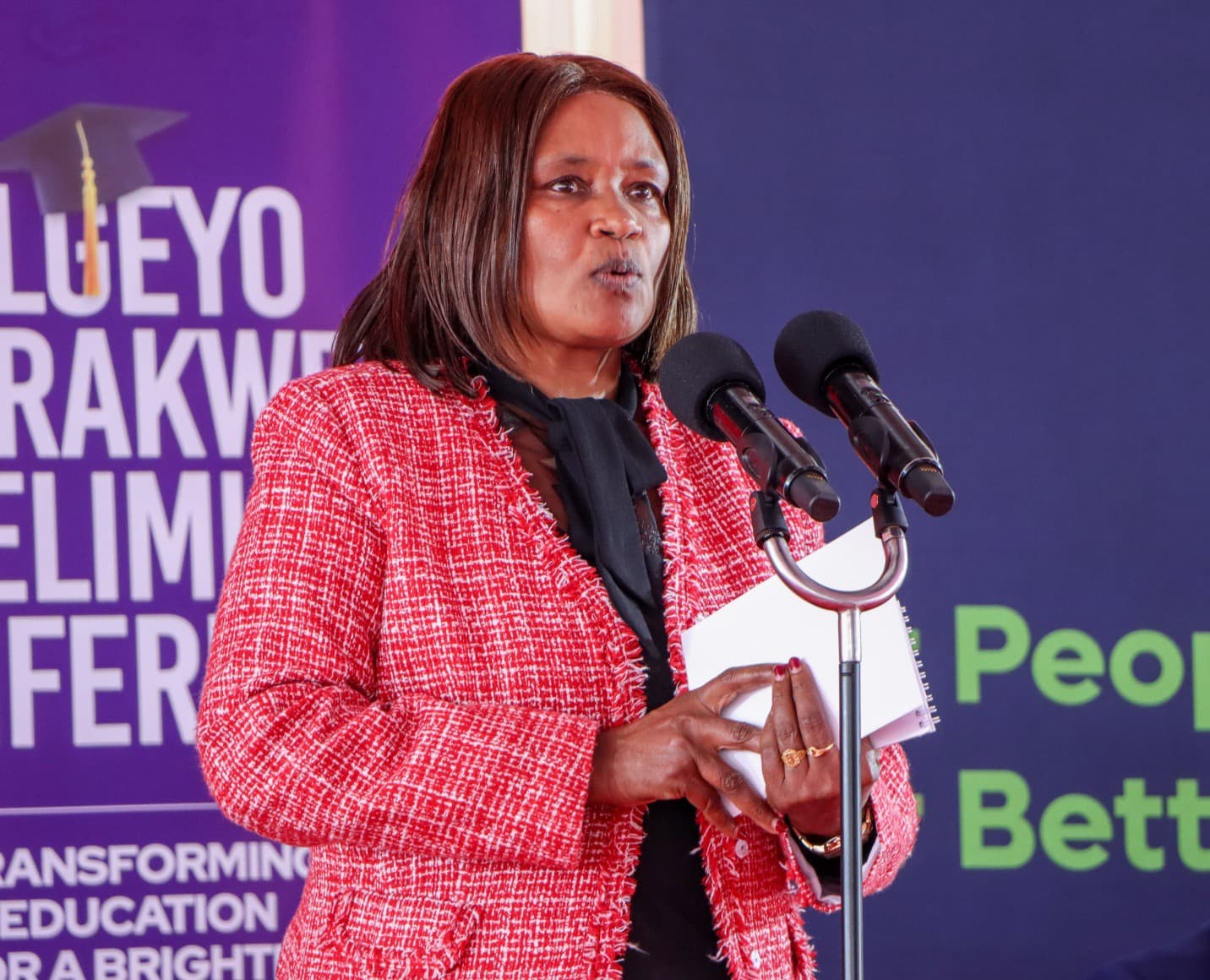
The recruitment process was underway during a leadership transition within the commission. In June 2025, long-serving TSC chief executive Dr Nancy Njeri Macharia (pictured below) began her terminal leave after completing her tenure.

In a memo announcing the transition, Macharia wrote: “End of My Tour of Duty.”
The internal communication confirmed that the commission had appointed Eveleen Mitei (pictured below) to act as Secretary/Chief Executive Officer until a substantive successor could be appointed.
READ ALSO: Legal battle over TSC CEO recruitment intensifies ahead of December ruling
“The Commission has appointed Eveleen Mitei to act as Commission Secretary/CEO pending the appointment of my successor.”

The acting appointment underscored the urgency of completing the TSC CEO recruitment, as the commission needed stable leadership to manage Kenya’s vast teaching workforce.
However, the recruitment process soon faced legal challenges from activists and litigants who argued that the position’s requirements violated constitutional principles of equality and fairness.
Several petitions were filed in court challenging the TSC CEO recruitment, including cases brought by Thomas Mosomi Oyugi, Collins Omondi Oduor, Peter Kibelesi Kukubo, and governance activist Okiya Omtatah Okoti.
The petitioners argued that the requirement for a degree in education unfairly excluded qualified professionals from other fields and limited access to public office.
They also raised questions about whether the recruitment process complied with constitutional principles requiring public appointments to be transparent, competitive and open to all qualified Kenyans.
READ ALSO: Determination of TSC CEO hiring case deferred to January
The legal battle appeared to take a decisive turn in January 2026, when the Employment and Labour Relations Court in Mombasa dismissed one of the petitions challenging the recruitment process.
Court battles stall TSC CEO recruitment again
In its ruling, the court stated: “The Petition before the Court has not raised any prima facie case.”
For a brief moment, the decision cleared the path for the Teachers Service Commission to continue with the TSC CEO recruitment.
But the reprieve was short-lived.
On February 2, 2026, a new petition was filed in the Kiambu High Court, reviving the dispute.
The case, filed by Simon Kariuki Kimaita, sought urgent conservatory orders to suspend the recruitment process until the court determined whether it complied with constitutional standards.
The petitioner argued that urgent intervention was necessary because: “the substratum of this suit requires immediate protection.”
The following day, February 3, the court issued conservatory orders suspending the TSC CEO recruitment.
The orders were intended to: “preserve the substratum of the Petition.”
The decision effectively halted the recruitment process once again, throwing the commission’s leadership transition into uncertainty.
The TSC responded quickly to the court orders.
On February 5, the commission filed a certificate of urgency and a notice of motion seeking to have the conservatory orders lifted.
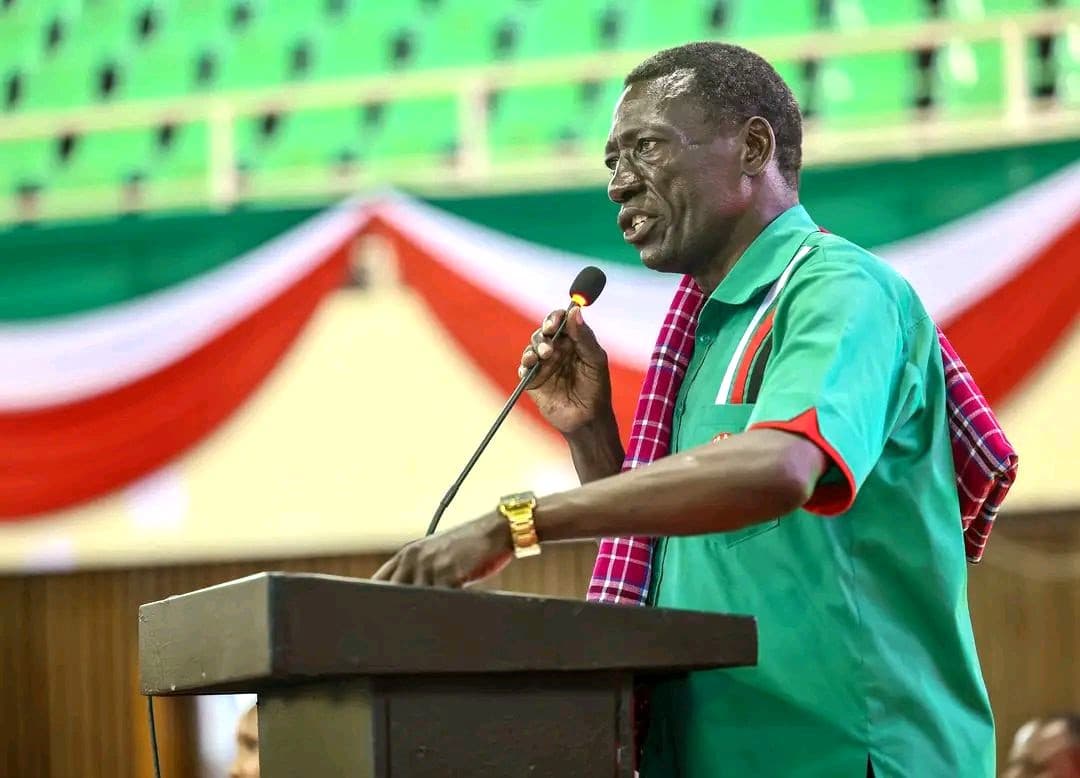
In court documents, TSC chairperson Dr Jamleck Muturi John (pictured below) warned that suspending the recruitment process would have serious consequences for the commission’s operations.
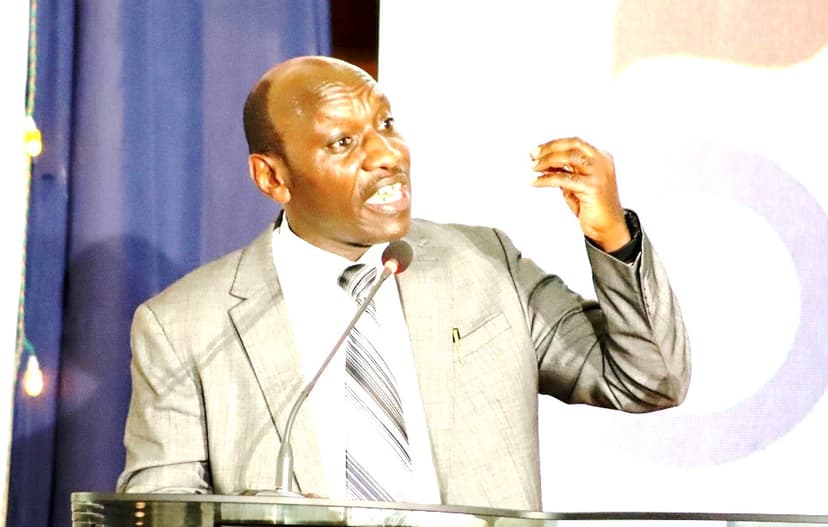
He argued that the orders had “caused total confusion.”
The commission further stated that the suspension had “rendered the operations of the Commission dysfunctional and ineffective.”
TSC also argued that the issues raised in the new Petition had already been addressed in earlier court cases and that allowing repeated lawsuits challenging the TSC CEO recruitment risked paralysing the institution.
By Joseph Mambili
You can also follow our social media pages on Twitter: Education News KE and Facebook: Education News Newspaper for timely updates.
>>> Click here to stay up-to-date with trending regional stories
>>> Click here to read more informed opinions on the country’s education landscape



Reader Discussion (0)
Sign in to comment