





The Social Health Authority (SHA) has issued fresh details on the Public Officers Medical Scheme Fund (POMSF), outlining new medical benefits for civil servants and teachers under the Teachers Service Commission (TSC).
The schedules, which cover the period from January 1, 2025, to June 30, 2026, reveal intriguing contrasts between the two groups, with teachers emerging as the biggest beneficiaries in several critical areas of healthcare provision.
Under inpatient care, civil servants will receive between Ksh 700,000 and Ksh2.5 million depending on their job group.
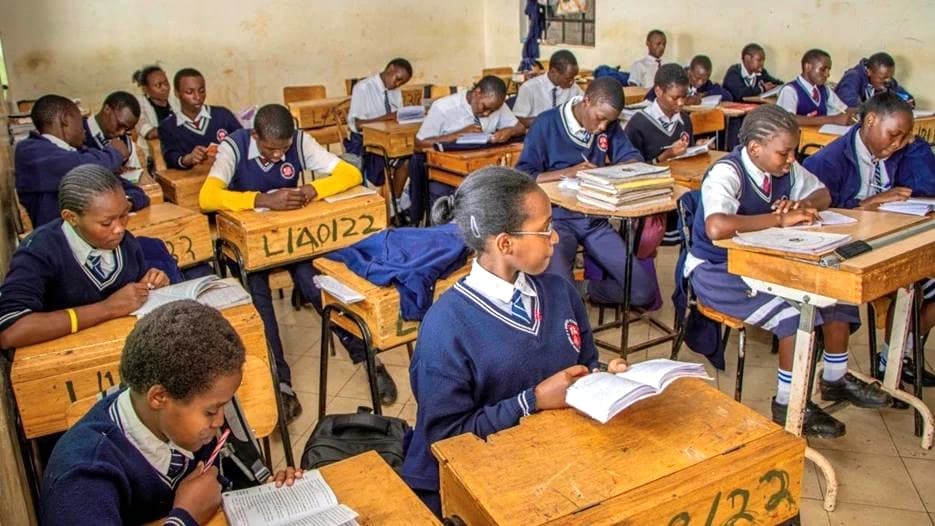
Teachers, however, enjoy much stronger protection, starting at Ksh 1 million for the lowest job group and rising to Ksh 3 million for the highest.
This difference reflects a deliberate shift towards cushioning educators against the high cost of hospital admission and long-term treatment, a need that has often been highlighted by teachers’ unions.
A similar disparity is seen in outpatient benefits. Civil servants at the entry level receive Ksh 70,000, while senior levels are entitled to Ksh 350,000. Teachers, by contrast, benefit from significantly higher limits beginning at Ksh 150,000 and capping at Ksh 450,000.
ALSO READ:
https://educationnews.co.ke/kisii-university-bans-students-from-bringing-children-to-classrooms-over-safety-disruption-concerns/
The expanded outpatient package offers teachers greater access to specialist consultations, diagnostic tests, chronic disease management, and regular check-ups—services that consume a large portion of employees’ annual medical expenses.
In the dental category, civil servants enjoy a modest advantage with a uniform cover of Ksh 50,000, compared to the Ksh 45,000 allocated to teachers.
The difference, though small, highlights one of the few areas where the civil service package is superior.
However, this balance quickly shifts again when it comes to optical benefits.
Teachers receive Ksh 60,000 for eye care needs, significantly more than the Ksh 40,000 available to civil servants, offering better support for spectacles, eye treatments, and related procedures.
Maternity benefits show some of the widest gaps between the two groups. Civil servants receive between Ksh 100,000 and Ksh 200,000 depending on job group. Teachers, however, enjoy starting limits of Ksh 120,000, which rise to Ksh 300,000 at the highest levels.
This enhanced maternity package is expected to ease the financial burden on expectant mothers, particularly in urban areas where hospital costs can be prohibitive.
The overseas treatment cover, however, tilts in favour of civil servants. They enjoy a uniform benefit of Ksh 2.5 million across the board, slightly higher than the Ksh 2.2 million offered to teachers. This category is critical for patients requiring specialised care not available locally.
Overall, the comparison reveals that teachers enjoy superior benefits in most everyday medical needs, while civil servants retain a small advantage in specialised treatment categories.
The new structure underscores the government’s evolving approach to employee welfare under the SHA era, signalling a shift toward strengthening the healthcare safety net for educators.
By Kithinji Njeru
You can also follow our social media pages on Twitter: Education News KE and Facebook: Education News Newspaper for timely updates.
>>> Click here to stay up-to-date with trending regional stories
>>> Click here to read more informed opinions on the country’s education landscape


Reader Discussion (0)
Sign in to comment