






Implementation of the Competency-Based Curriculum (CBC) is being significantly undermined in Kenya’s marginalised communities due to teacher shortages, inadequate learning resources and poor school infrastructure, according to a new 2025 report released on Wednesday by the National Gender and Equality Commission (NGEC).
The report, titled “Evidence on School-Level Factors Affecting Girls’ Access to Quality Education in Marginalised Communities in Kenya,” shows that systemic gaps many linked to gender inequality are limiting the effectiveness of CBC and deepening disparities in education outcomes.
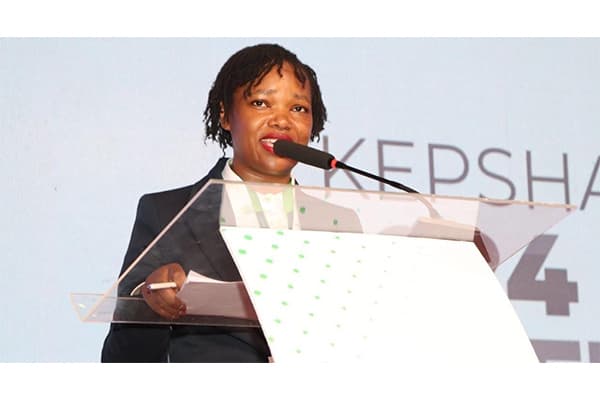
NGEC Chairperson Rehema Jaldesa said the findings expose major gaps in leadership representation, teacher deployment, menstrual hygiene management, and protection from harmful practices such as child marriage and gender-based violence.
She added that a few counties, including Nairobi City, Tharaka-Nithi and Makueni, are beginning to register progress due to inclusive policies and strong community engagement.
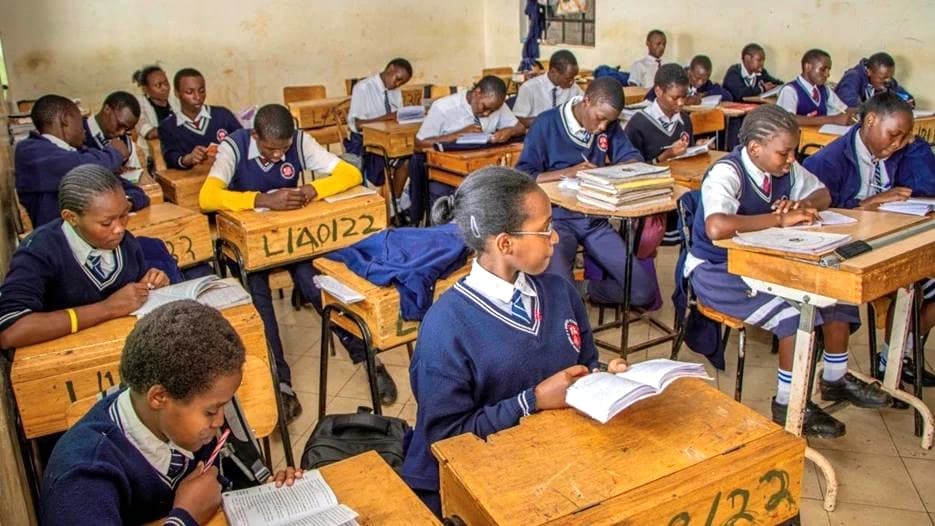
According to the report, more than 61 percent of schools cited inadequate teacher numbers as the leading challenge in implementing new CBC learning areas.
ALSO READ:
https://educationnews.co.ke/cs-kabogo-launches-ndumberi-jitume-centre-announces-rollout-of-1450-digital-hubs/
Closely behind are shortages in learning materials, which affect 60 percent of schools, limiting the ability to deliver competency-based lessons.
About 55 percent of schools pointed to insufficient government funding, while infrastructure gaps remain a major obstacle in 42 percent of institutions, particularly in ASAL regions where classrooms, laboratories and digital facilities remain overstretched.
Difficulty accessing the CBC learning assessment portal was reported by 37 percent of schools, although only 24 percent described the assessment process itself as difficult. This, the report notes, suggests that structural barriers rather than teaching methods pose the greatest threat to CBC success in marginalised areas.
The report also reveals deep gender disparities that influence CBC implementation. Leadership in marginalised communities remains predominantly male, with 76 percent of headteachers being men and only 24 percent women, although Nairobi’s informal settlements record relatively higher levels of female leadership. Enrolment patterns continue to favour boys, who account for 52 percent of learners compared to 48 percent for girls.
The gap is widest in ASAL counties, where girls are also underrepresented among learners with disabilities. Water, sanitation and hygiene facilities remain inadequate in many schools, and fewer than one-third have disability-accessible toilets, undermining CBC’s emphasis on inclusivity.
ALSO READ:
https://educationnews.co.ke/nakuru-senior-school-teachers-retooled-ahead-of-grade-10-cbe-rollout/
Social and cultural challenges continue to deepen inequalities. Menstruation-related absenteeism averages 10.9 percent, and teenage pregnancy is reported in 30 percent of schools, significantly disrupting girls’ learning continuity. Child marriage and other harmful practices also continue to affect school attendance and progression.
The study was conducted across 19 counties, including Kwale, Kilifi, Tana River, Garissa, Wajir, Mandera, Isiolo, Meru, Tharaka-Nithi, Kitui, Makueni, Turkana, West Pokot, Samburu, Baringo, Laikipia, Narok, Kajiado and Nairobi City.
By Obegi Malack
You can also follow our social media pages on Twitter: Education News KE and Facebook: Education News Newspaper for timely updates.
>>> Click here to stay up-to-date with trending regional stories
>>> Click here to read more informed opinions on the country’s education landscape


Reader Discussion (0)
Sign in to comment