




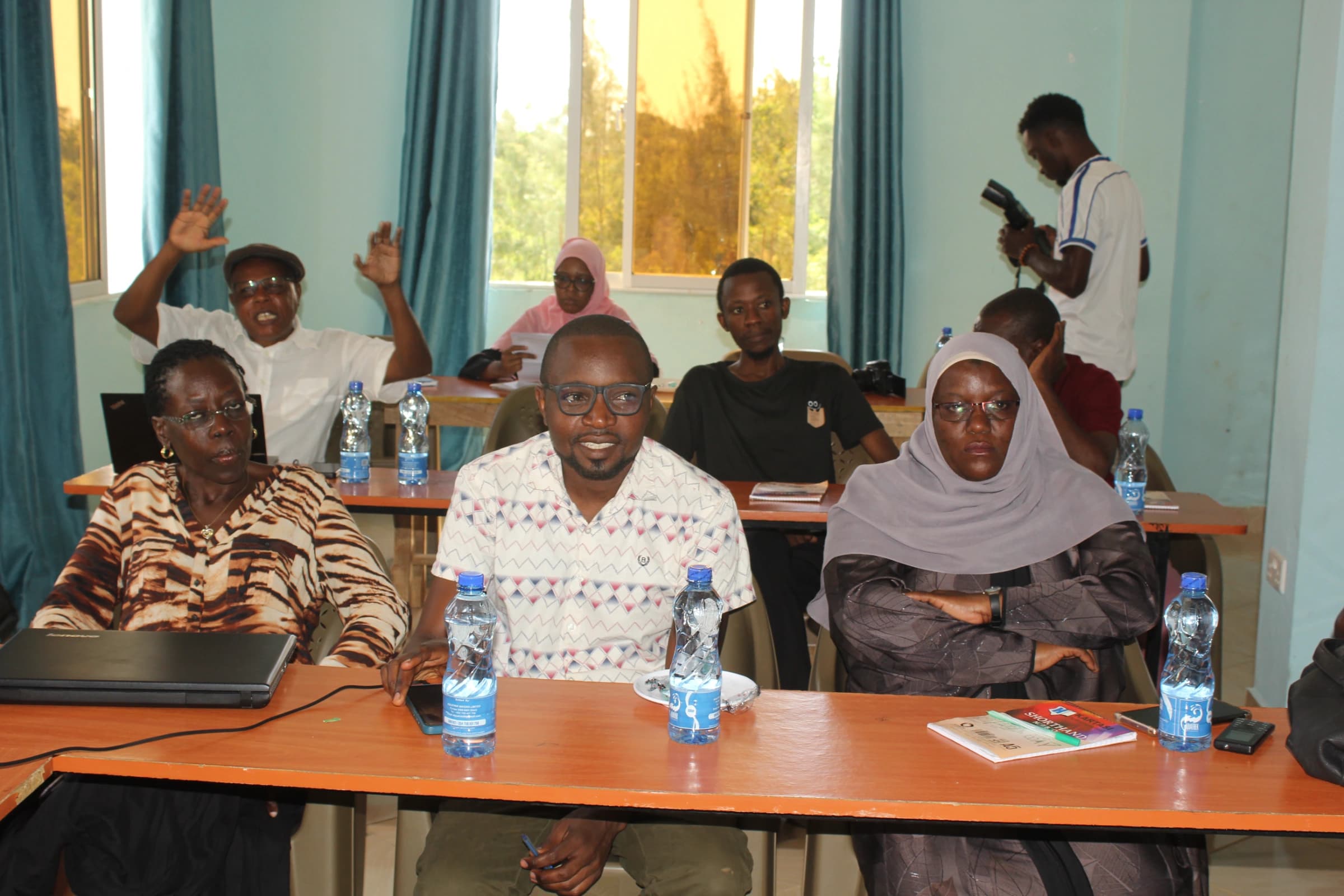
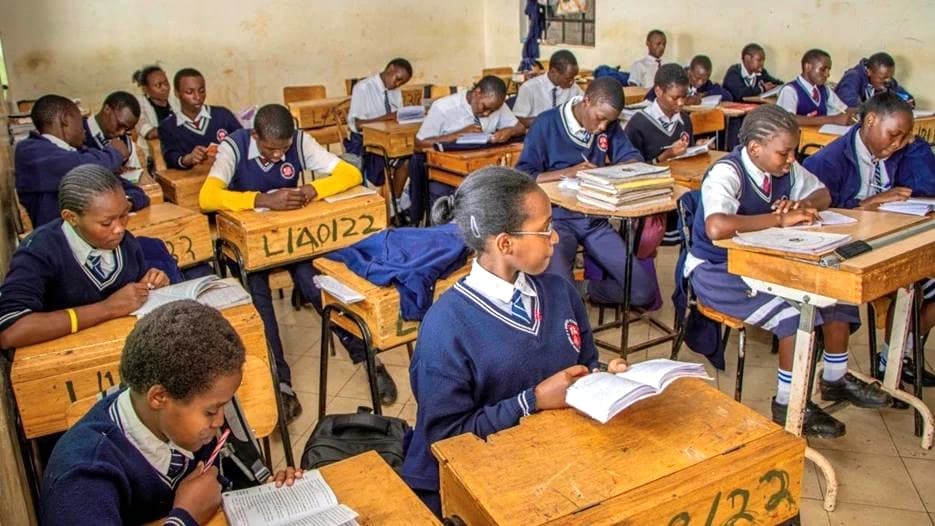




The Cabinet has approved a package of reform Bills designed to overhaul governance, curriculum, teacher training, and student financing in line with the Competency‑Based Education framework.
The reforms, drawn from recommendations of the Presidential Working Party on Education Reform, aim to eliminate duplication across schools, colleges, and universities while modernising placement, assessment, and funding systems.
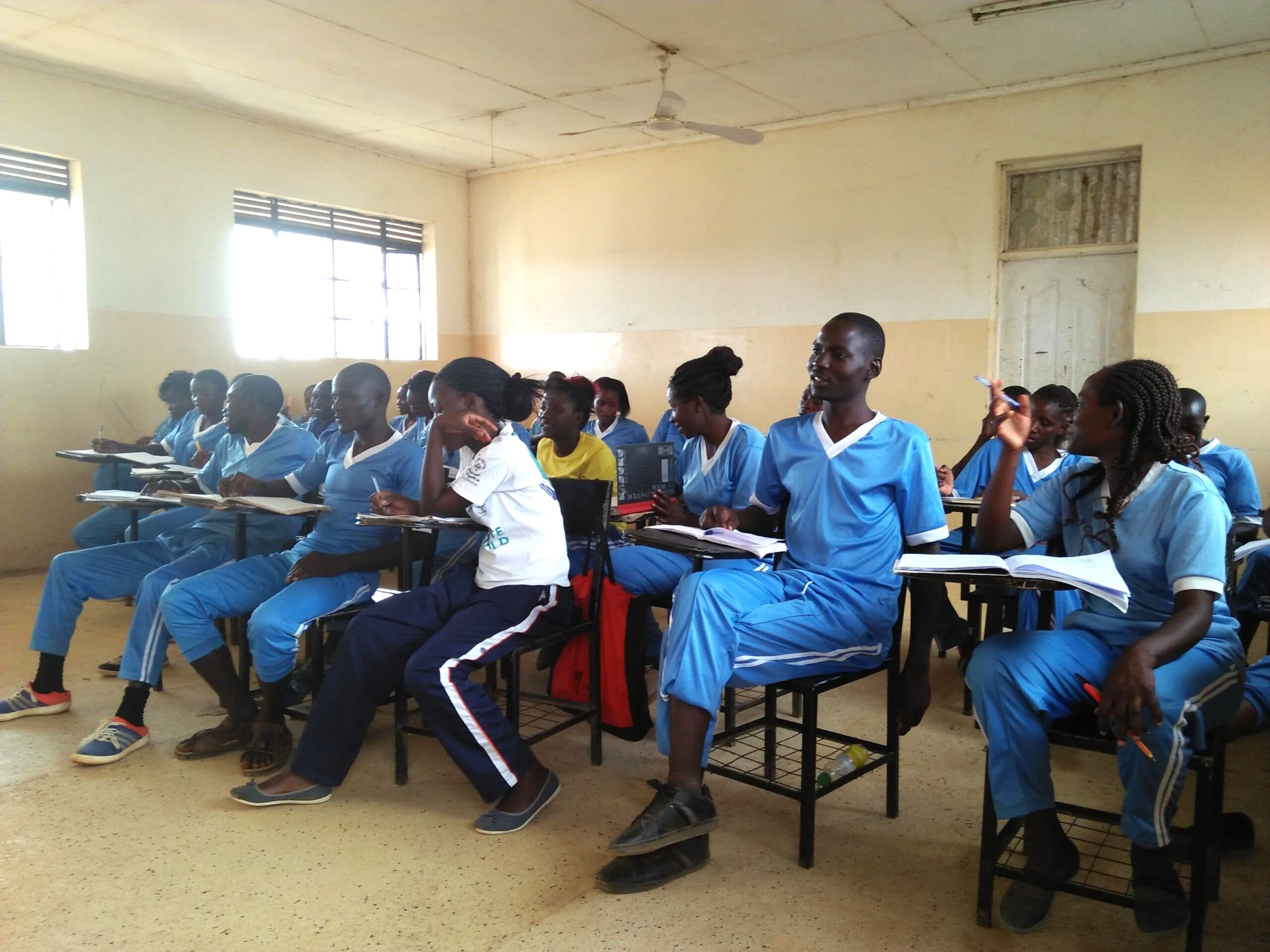
At the tertiary level, the Cabinet endorsed the Tertiary Education Placement and Funding Bill, 2024, which consolidates the Higher Education Loans Board, the Universities Fund, the TVET Funding Board, and KUCCPS into a single authority. The new body will handle student placement, loans, scholarships, and career guidance under one roof.
ALSO READ:
https://educationnews.co.ke/kuccps-explains-cut-off-points-for-2025-kcse-students-placements/
Also approved was the Kenya National Qualifications Framework (Amendment) Bill, 2024, which clarifies the role of the Kenya National Qualifications Authority. The Authority will set national standards, while accreditation and equivalence of qualifications remain with sector regulators.
In basic education, the Basic Education Bill, 2024 seeks to align the system with Competency‑Based Education, strengthen quality assurance, rationalise school governance, and streamline bursary and scholarship administration.
Assessment reforms will be anchored in the Kenya National Educational Assessments Bill, 2025, which replaces the exam‑heavy model of the Kenya National Examinations Council with competency‑based evaluations. Meanwhile, the Kenya Institute of Curriculum Development (Amendment) Bill, 2024 narrows the Institute’s mandate to basic and teacher education and restructures its Board to avoid overlaps.
ALSO READ:
https://educationnews.co.ke/9-coast-senior-schools-face-closure-over-low-grade-10-enrolment/
Teacher preparation will be addressed through the Pre‑Service Education and In‑Service Training in Basic Education Bill, 2025, while the Education Administrative Tribunal Bill, 2024 will establish a mechanism for resolving education‑related disputes.
The Cabinet also approved Phase III of the Kenya‑China Project, which will equip 70 Technical and Vocational Education and Training (TVET) colleges with modern training equipment. The programme will cover eight priority technical disciplines, train 1,190 instructors, and strengthen industry‑relevant skills to support MSMEs and human capital development.
By Masaki Enock
You can also follow our social media pages on Twitter: Education News KE and Facebook: Education News Newspaper for timely updates.
>>> Click here to stay up-to-date with trending regional stories
>>> Click here to read more informed opinions on the country’s education landscape
>>> Click here to stay ahead with the latest national news.


Reader Discussion (0)
Sign in to comment