









In about three months, I will sit my final examinations, marking the end of a four-year journey that has been as intense and transformative as the kitchens where I have trained. Pursuing a degree in Culinary Arts at Kenyatta University has not just been an academic endeavour – it has been a test of endurance, creativity, discipline and self-discovery. This is my story: the hits, the misses, and the opportunities that have shaped me into the culinary professional I am becoming.
When I first joined the program, I had a romanticised vision of cooking – beautifully plated dishes, the applause of satisfied guests, and the glamour often portrayed in culinary shows. It did not take long for reality to set in. The kitchen is not always glamorous. It is hot, fast-paced, and unforgiving. The first few months were a shock. Standing for hours, handling sharp tools, working under pressure and meeting strict deadlines pushed me far beyond my comfort zone. But in that discomfort, growth began.
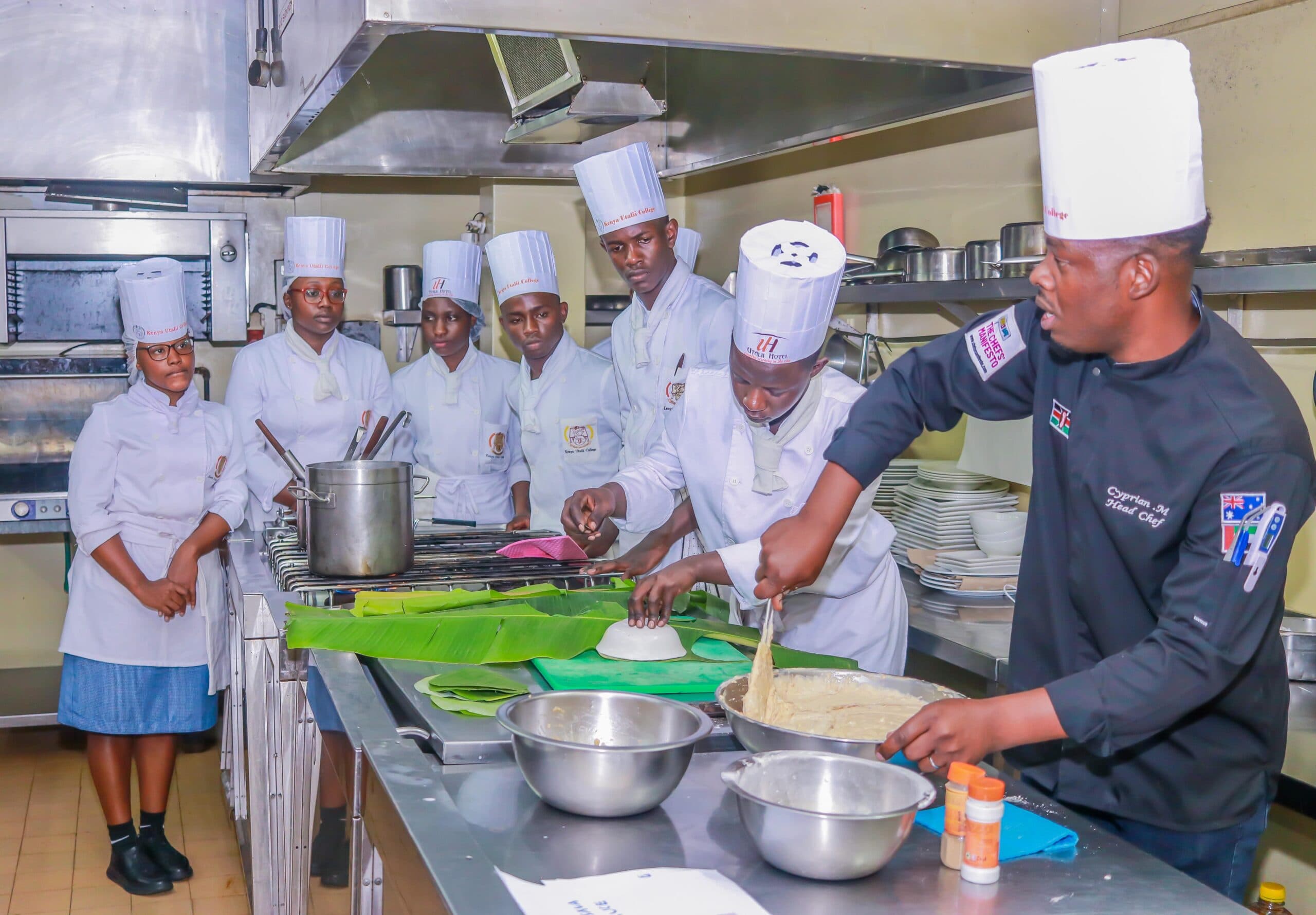
One of the biggest “hits” in my journey has been mastering foundational skills. Knife skills, for instance, are not just about cutting ingredients – they are about precision, safety and efficiency. Learning classical cooking techniques, understanding flavour profiles and appreciating the science behind food transformed the way I approach cooking. There is a certain confidence that comes with knowing not just what to do, but why it works. That shift – from following recipes to understanding food – has been one of my proudest achievements.
Another highlight has been exposure. Culinary arts is not confined to the classroom. Through industrial attachments and practical sessions, I have had the opportunity to work in real kitchens, interact with professionals and experience the demands of the hospitality industry firsthand. These experiences opened my eyes to the diversity within the field – hotel kitchens, catering, food production, and even entrepreneurship. They showed me that culinary arts is not just about cooking; it is about service, management and innovation.
However, the journey has not been without its misses. There were moments of failure – dishes that didn’t turn out as expected, assessments that didn’t go well and days when the pressure felt overwhelming. I remember one practical exam where everything that could go wrong did. Timing was off, the presentation suffered, and I left the kitchen feeling defeated. But those moments, as painful as they were, became my greatest teachers. They taught me resilience, humility and the importance of preparation.
Financial constraints have also been a reality. Culinary training requires ingredients, equipment and sometimes additional certifications, all of which come at a cost. Balancing academic demands with financial limitations has not been easy. There were times I had to get creative – not just in the kitchen, but in managing resources. Yet, this challenge has also instilled in me a sense of resourcefulness that I believe will serve me well in the industry.
Time management has been another critical lesson. The program is demanding, with a mix of theory and practicals that require equal attention. There were days when juggling assignments, kitchen sessions and personal responsibilities felt like trying to manage too many pots on a stove at once. Learning to prioritise, plan and stay disciplined has been essential for survival – and success.

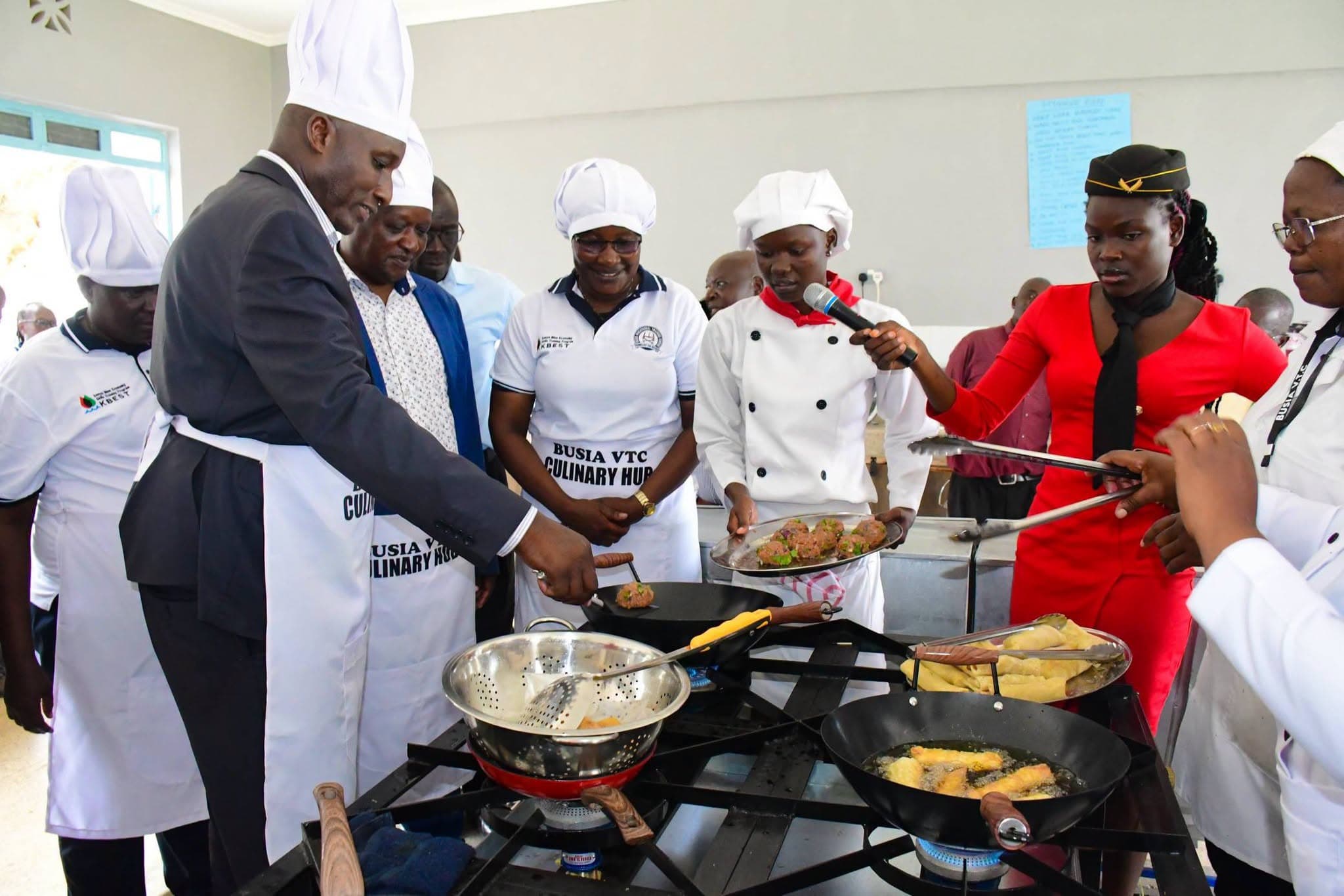
Amidst the challenges, the opportunities have been immense. The culinary arts are a field that rewards passion and creativity. I have had the chance to experiment with different cuisines, fuse flavours, and develop my own style. The freedom to create – to turn simple ingredients into something meaningful – has been deeply fulfilling. It is in those moments of creation that I am reminded why I chose this path.
Networking has also been a significant gain. Interacting with lecturers, chefs and fellow students has built connections that extend beyond the classroom. These relationships are not just social – they are professional networks that could shape my future career. Learning from others, sharing ideas and collaborating in the kitchen have enriched my experience in ways that textbooks never could.
As I approach the final stretch, I find myself reflecting not just on what I have learned, but on who I have become. I am more disciplined, more resilient and more confident in my abilities. The kitchen has taught me patience and attention to detail. It has shown me the value of hard work and the importance of consistency.
Looking ahead, I am both excited and anxious. The transition from student to professional comes with its own set of challenges. The industry is competitive, and the expectations are high. But I carry with me the lessons of the past four years – the hits that have built my confidence, the misses that have strengthened my character and the opportunities that have broadened my vision.
READ ALSO: From orientation to graduation: A journey of the highs and lows of campus life.
This journey has not been perfect, but it has been worthwhile. The culinary arts have given me more than a degree; they have given me a sense of purpose. As I prepare to step into the next chapter, I do so with gratitude – for the experiences, the lessons and the growth.
The heat of the kitchen has tested me, the hustle has shaped me, and the hope keeps me going. This is my story – and it is only just beginning.
By Esther Wanjiru
Esther is a fourth-year culinary arts undergraduate student at Kenyatta University.
You can also follow our social media pages on Twitter: Education News KE and Facebook: Education News Newspaper for timely updates.
>>> Click here to stay up-to-date with trending regional stories
>>> Click here to read more informed opinions on the country’s education landscape
>>> Click here to stay ahead with the latest national news.

Reader Discussion (0)
Sign in to comment