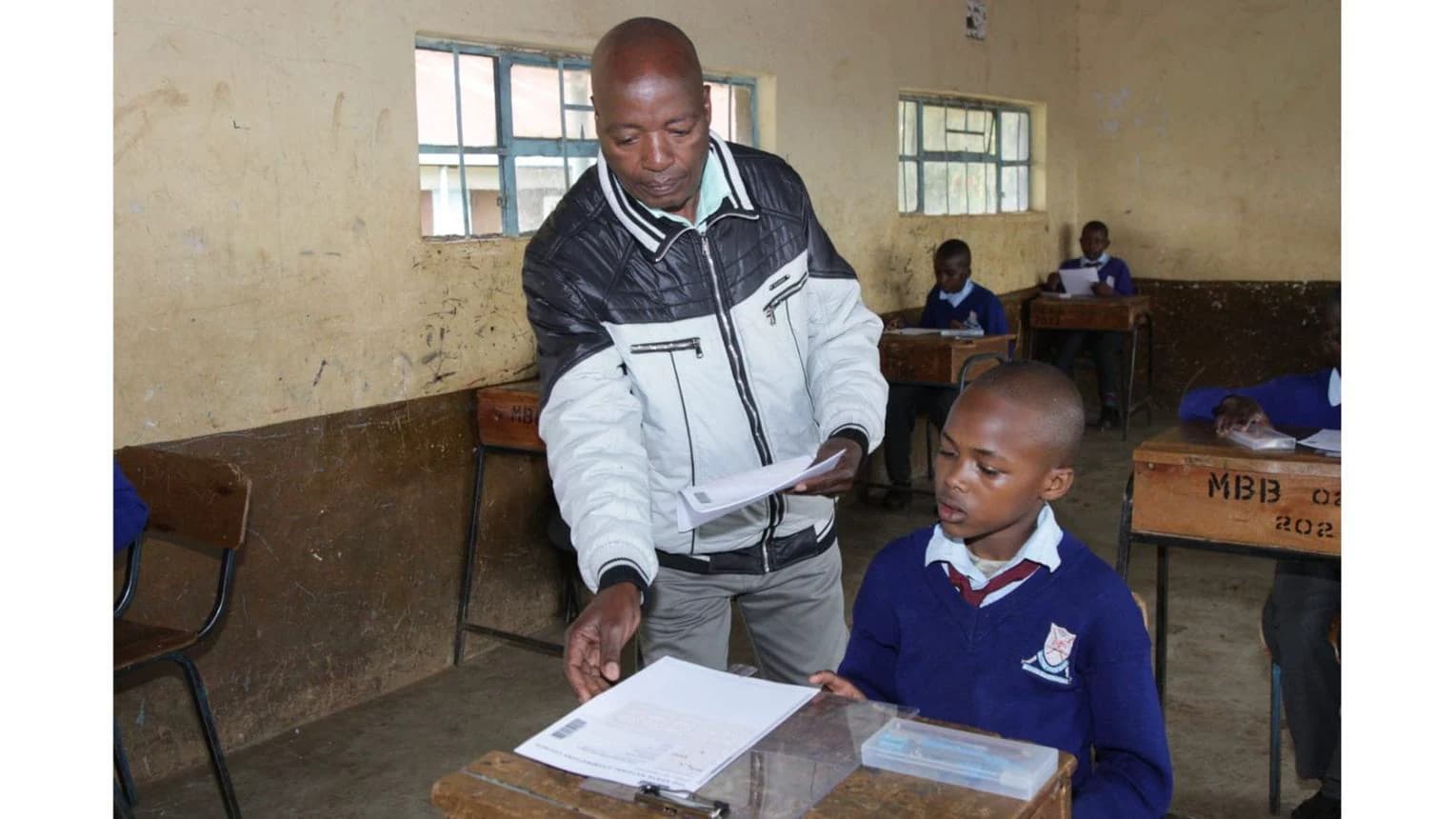
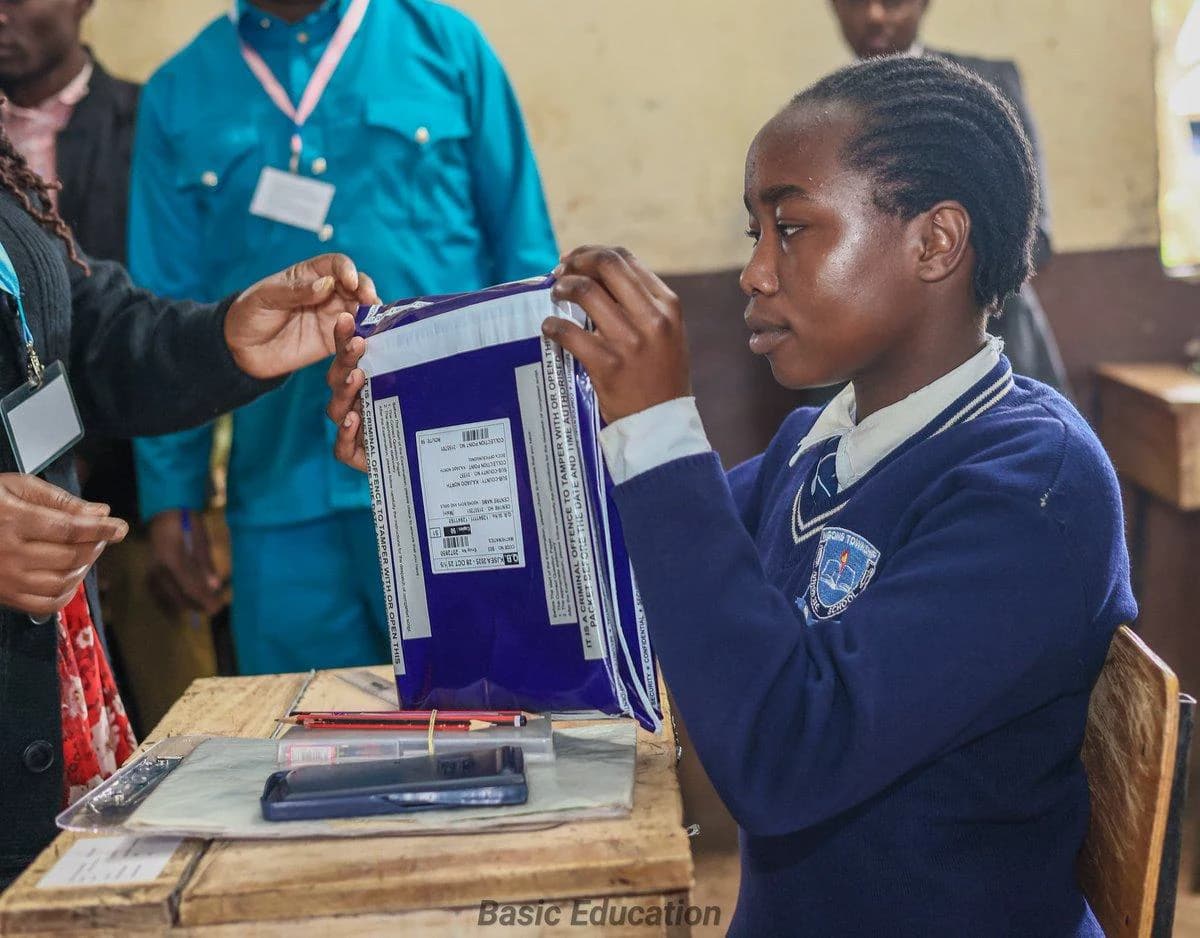


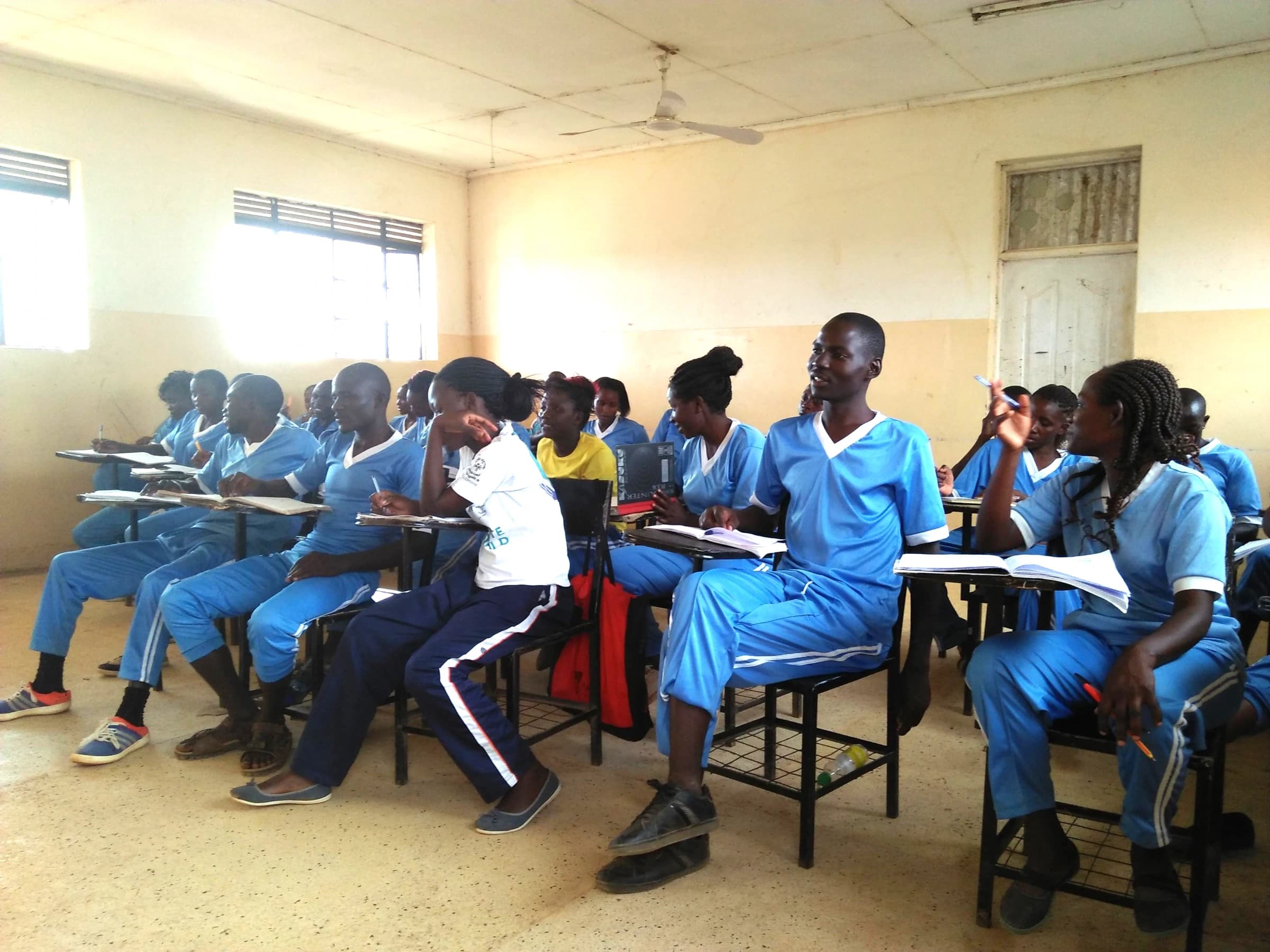
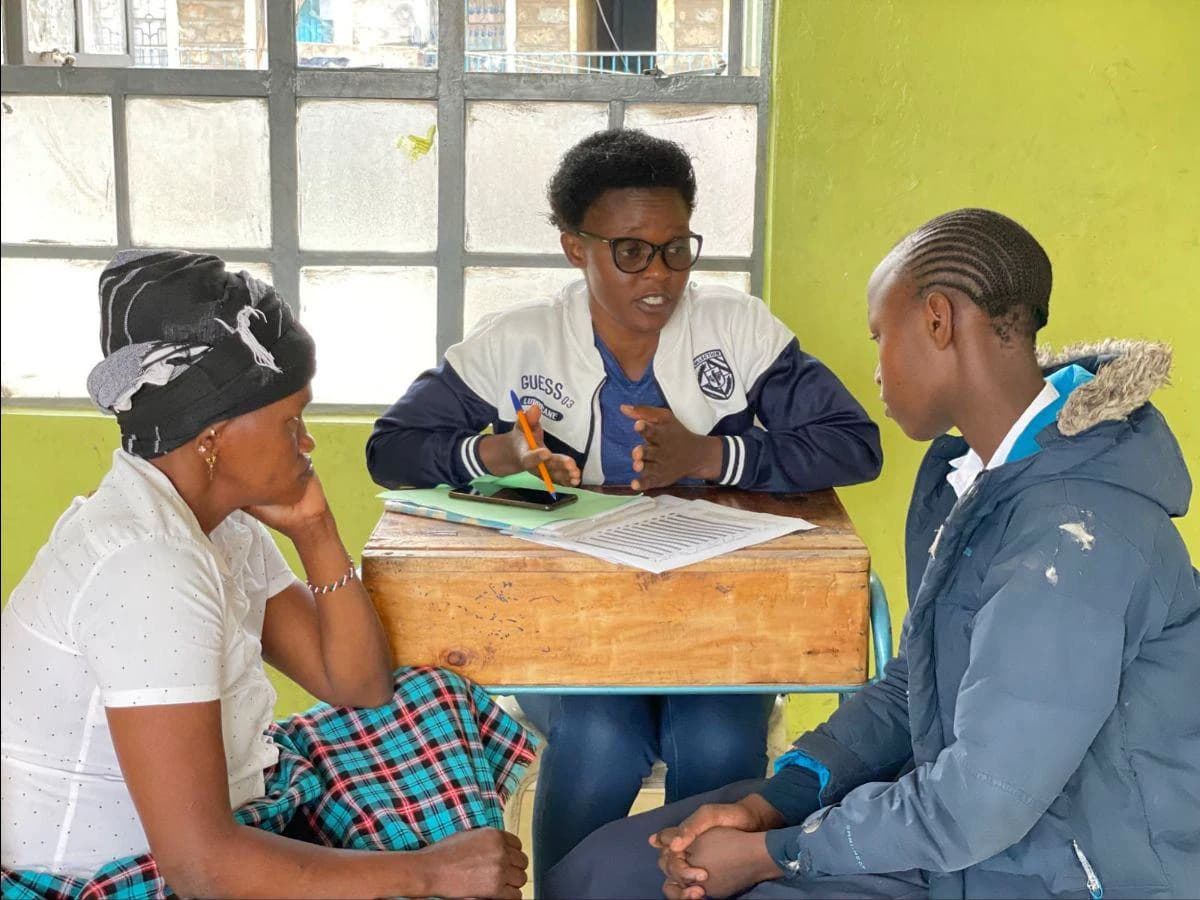
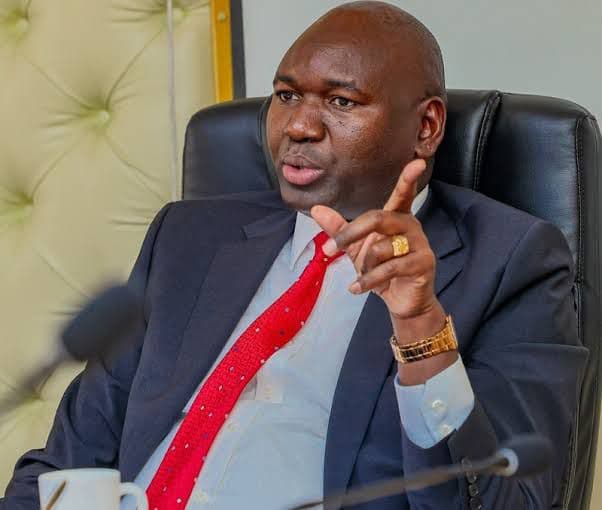
The Junior Secondary School, JSS intern teachers have suffered another blow, after the government postponed their permanent absorption, extending their contract until January 2027 amid rising tensions over job security.
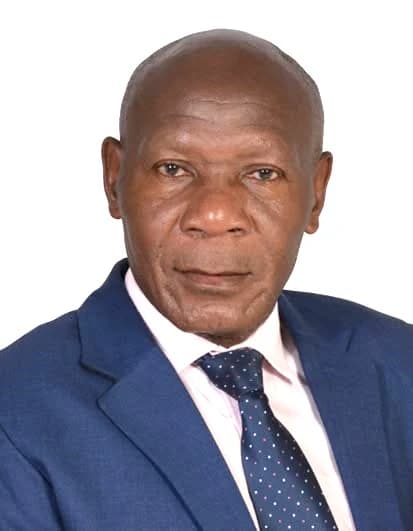
Basic Education Principal Secretary Prof Julius Bitok assured teachers that the State remains committed to integrating them into the TSC payroll by January 1, 2027, after the completion of their additional one year contract.
The extension affects 20,000 Junior School (JS) intern teachers currently serving under the Teachers Service Commission (TSC).
Bitok added that the move aligns with government policy while emphasising that full integration into permanent and pensionable (PNP) terms is on track.
“All serving Junior School teacher interns have had their contracts renewed from January 1, 2026, to December 31, 2026,” Bitok said, adding that the extension follows the Teacher Internship Policy and Guidelines (2019) and is meant to ensure a seamless transition without disrupting learning.
The extension comes following a directive from President William Ruto, which requires intern teachers to serve a minimum of two years before being considered for permanent employment.
“President Ruto has already pronounced himself on this issue. First, he said he had listened to the Junior School intern teachers. He gave us a directive that, because they have been given a one-year contract, we extend it by another year and, in the next financial year, provide resources so that they can be confirmed on January 1, 2027,” Bitok said.
ALSO READ:
https://educationnews.co.ke/government-breaks-down-ksh22244-capitation-for-senior-schools/
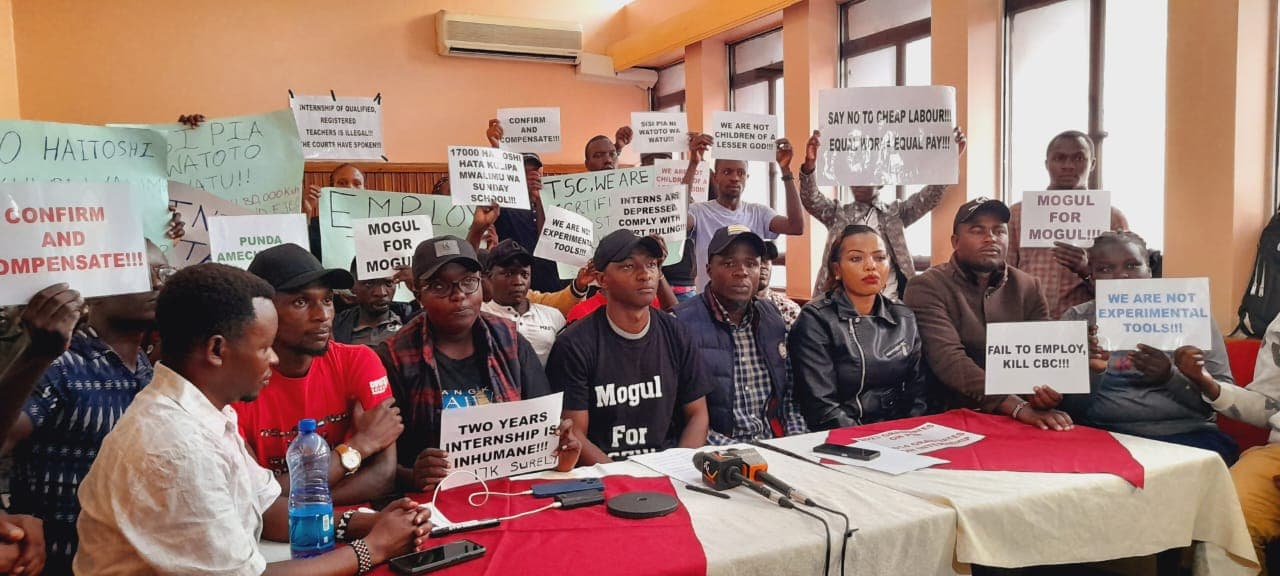
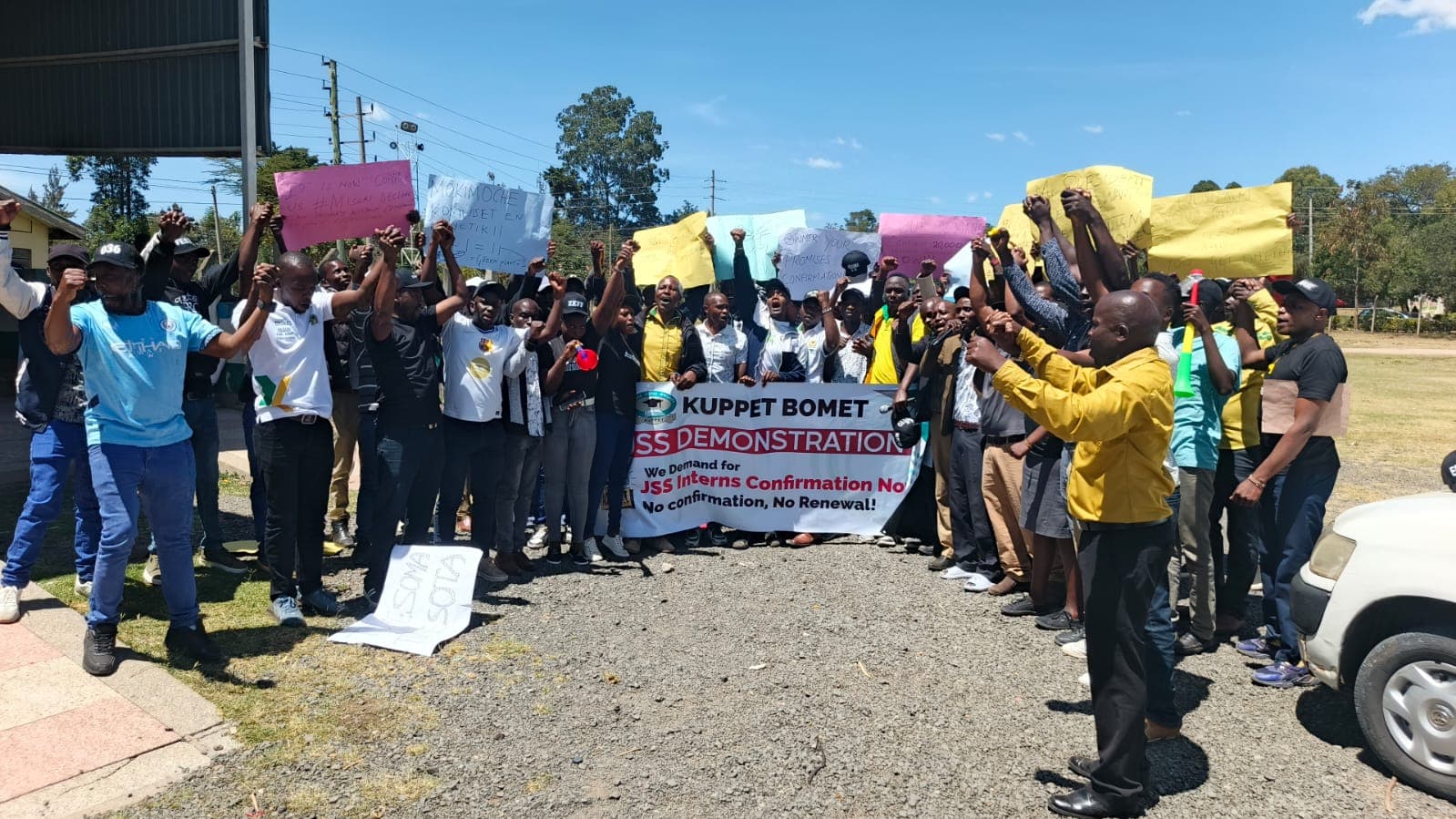
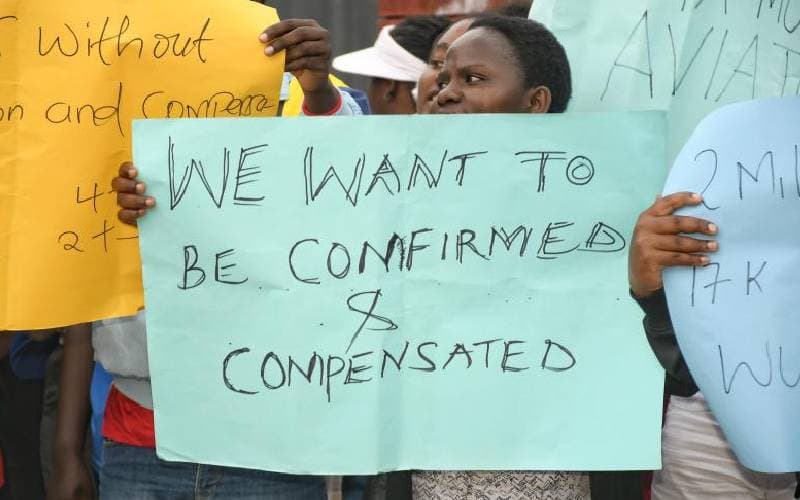
Despite assurances, frustrations remain high among teachers. The Kenya Junior School Teachers Association (KEJUSTA) described the extension as a significant blow to morale. Currently, interns earn a monthly stipend of Ksh20,000 before deductions, a figure that KEJUSTA says has negatively affected their spirit.
Many interns had anticipated permanent appointment letters as a reward after navigating the challenges of the staffroom for a year.
Beyond pay, the debate over Junior School governance continues. While JSS teachers advocate for full autonomy, the government supports a Comprehensive School model that integrates primary and junior school sections.
Under the proposed administrative framework, a principal will oversee both sections, assisted by two deputies, a Deputy Principal (Primary) for Grades 1–6 and a Deputy Principal (JS) for Grades 7–9.
“According to the Presidential Working Party on Education Reforms, there should be a comprehensive school model, which is an international model consisting of both primary and junior school under one principal with two deputies, one in charge of the primary section and the other in charge of junior school,” Bitok said, describing the arrangement as a middle ground in the autonomy debate.
By Juma Ndigo
You can also follow our social media pages on Twitter: Education News KE and Facebook: Education News Newspaper for timely updates.
>>> Click here to stay up-to-date with trending regional stories
>>> Click here to read more informed opinions on the country’s education landscape

Reader Discussion (0)
Sign in to comment