







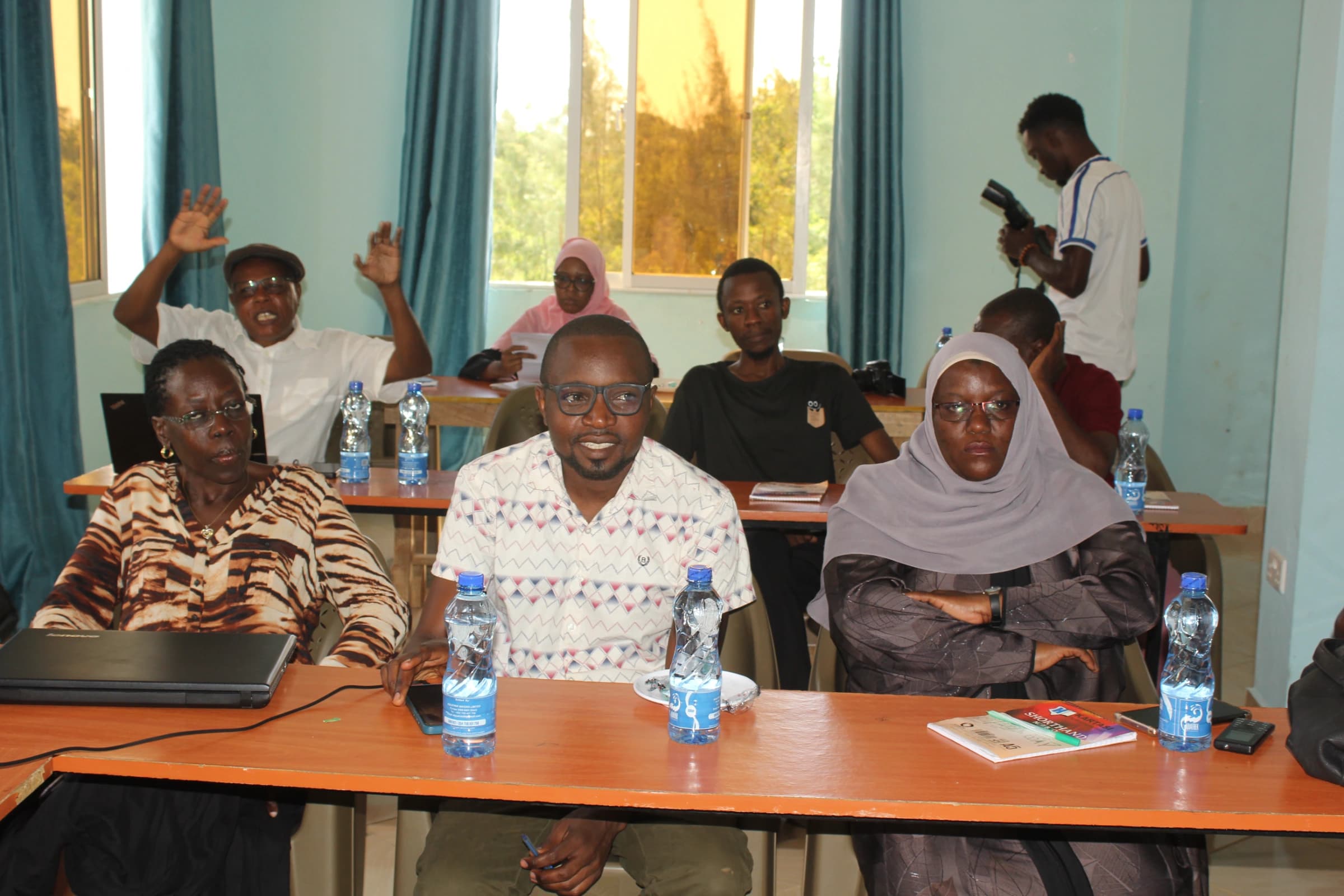

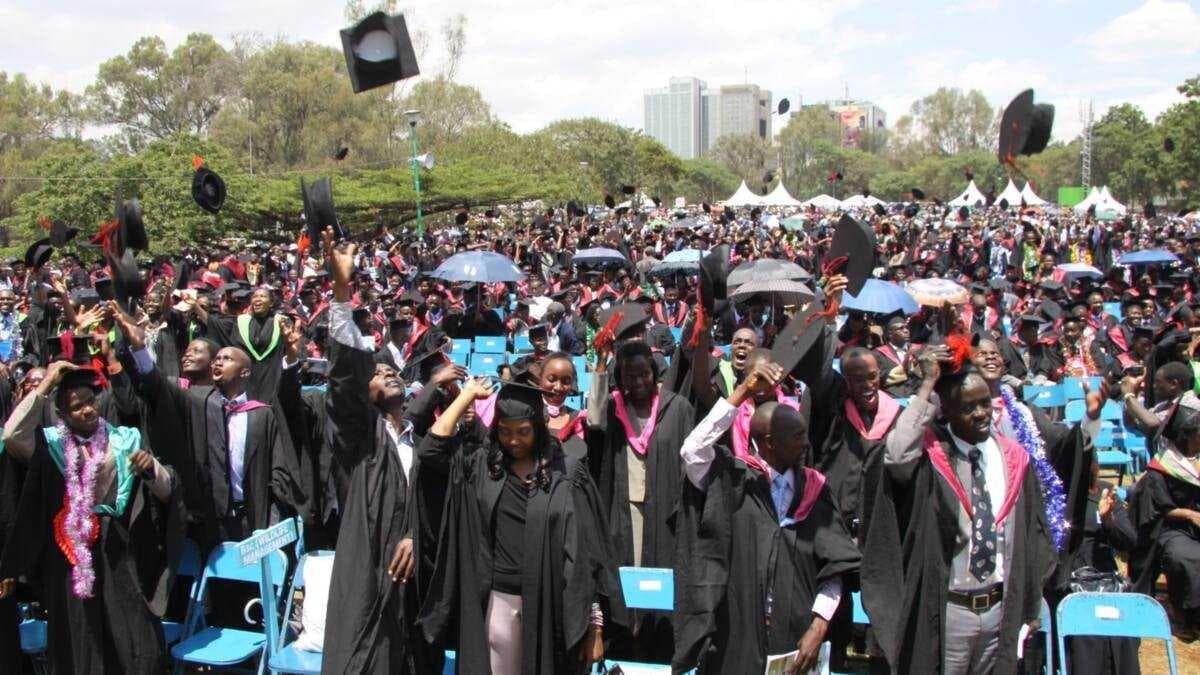
For many undergraduates, campus life is a structured world with clear expectations, predictable routines, and a defined identity. You attend lectures, sit exams, socialize and gradually move toward a single symbolic moment – graduation.
Beneath this structure lies a deeply ingrained belief: that education is a reliable bridge to employment. Yet, as students approach the end of their undergraduate journey, this belief is tested by a far more complex and often unforgiving reality – the job market.
At the point of transition, most undergraduates are filled with optimism. Years of academic investment create a sense of entitlement to opportunity. A degree is seen not just as a qualification, but as a passport to stability, independence and upward mobility. Families share in this expectation, often viewing graduation as the moment when dependency ends and productivity begins. However, this optimism is quickly tempered by the structural realities of the labour market.
One of the first shocks graduates encounter is saturation. In many economies, including Kenya’s, universities produce thousands of graduates annually across similar disciplines. Fields such as business, education and social sciences are particularly affected. What was once considered a competitive advantage – a university degree – has increasingly become a basic requirement. As a result, undergraduates begin to realize that they are entering a crowded arena where differentiation is critical but not always easy to achieve.
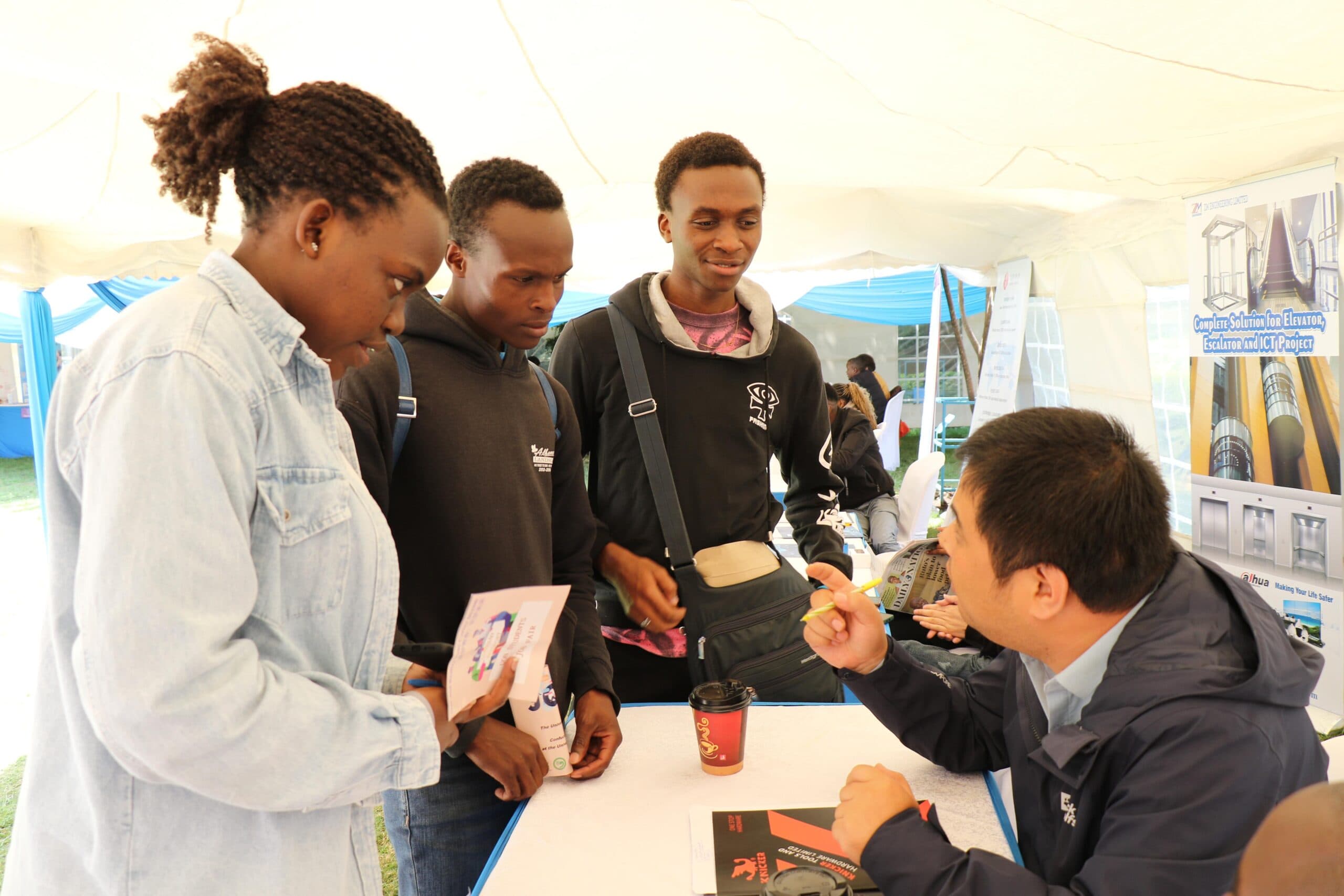
This leads to the frustrating paradox of experience. Entry-level positions, which should ideally serve as entry points for fresh graduates, often demand prior experience. To the undergraduate, this appears contradictory and unfair. How does one gain experience without first being given an opportunity? Those who managed to secure internships, attachments, or volunteer roles during their studies find themselves at a relative advantage. For others, the realization dawns that academic success alone is not enough; exposure and practical engagement matter just as much, if not more.
ALSO READ:
https://educationnews.co.ke/how-teachers-lose-their-professional-authority/
Closely tied to this is the growing awareness of a skills gap. Many graduates discover that the competencies demanded in the workplace extend beyond what was emphasized in lecture halls. Employers increasingly prioritize soft skills – communication, adaptability, critical thinking and teamwork – alongside digital literacy and problem-solving abilities. The undergraduate, who may have excelled in exams, now faces the unsettling realization that real-world performance requires a broader, more dynamic skill set. This often triggers a phase of self-reflection and, in some cases, self-doubt.
Beyond the professional challenges lies a deeper psychological transition. On campus, identity is clear and socially reinforced. You are a student, a finalist, a comrade navigating a shared experience. After graduation, that identity dissolves almost instantly. For those who do not secure immediate employment, the loss of structure can be disorienting. Days that were once filled with lectures and deadlines become open and undefined. This shift can lead to anxiety, especially when accompanied by societal and familial expectations.
Social comparison intensifies during this period. Graduates begin to measure their progress against that of their peers. Who has secured a job? Who has enrolled for further studies? Who seems to be “moving ahead”? Platforms such as amplify this dynamic by showcasing curated versions of success – new jobs, promotions, and achievements – while rarely reflecting the struggles behind them. For an undergraduate navigating uncertainty, this can create a distorted perception of reality, making the job market appear even more competitive and unforgiving.
Family expectations add another layer of pressure. In many households, education is a significant financial and emotional investment. Graduation is therefore seen as a return on that investment. The graduate is expected to transition quickly into financial independence and in some cases, begin supporting others. When this transition is delayed, it can create tension, disappointment and internalized feelings of inadequacy. The undergraduate, now a graduate, must navigate not only external realities but also internal and relational pressures.
ALSO READ:
https://educationnews.co.ke/from-orientation-to-graduation-a-journey-of-evolution-of-a-student-through-the-highs-and-lows-of-campus-life/
Amid these challenges, a shift in perspective gradually begins to take shape. The initial expectation of formal employment as the only pathway starts to broaden. Graduates begin to explore alternative avenues – entrepreneurship, freelancing, digital work and participation in the gig economy. This shift is often less about passion and more about pragmatism. It reflects an understanding that the traditional job market is not the sole arbiter of success.
At the same time, there is a growing appreciation for the importance of networks. Undergraduates come to realize that opportunities are not distributed purely on merit but are often influenced by connections, visibility and personal branding. Building relationships, maintaining professional profiles, and positioning oneself strategically become critical components of career development. The job search evolves from a passive submission of applications to an active, strategic pursuit of opportunity.
Over time, resilience becomes a defining trait. Rejections, which initially feel personal and discouraging, begin to be understood as part of a broader process. Graduates learn to adapt, to refine their approaches, and to persist despite setbacks. They start to see their careers not as linear trajectories but as evolving journeys marked by detours, experimentation and continuous learning.
Ultimately, the undergraduate’s view of life after campus undergoes a profound transformation. What begins as a simple, almost mechanical expectation – study, graduate, work – evolves into a nuanced understanding of a complex ecosystem. The job market is no longer seen as a system that automatically absorbs graduates, but as a competitive, dynamic space that demands initiative, adaptability and strategic thinking.
This realization, though initially unsettling, is not entirely negative. It marks the beginning of a more mature engagement with life beyond campus. The undergraduate learns that success is not guaranteed by credentials alone, but is built through persistence, learning and the ability to navigate uncertainty. In this sense, graduation is not the end of education, but the beginning of a different, more demanding kind of learning – one that takes place not in lecture halls, but in the real world.
By Esther Wanjiru
You can also follow our social media pages on Twitter: Education News KE and Facebook: Education News Newspaper for timely updates.
>>> Click here to stay up-to-date with trending regional stories
>>> Click here to read more informed opinions on the country’s education landscape


Reader Discussion (0)
Sign in to comment