





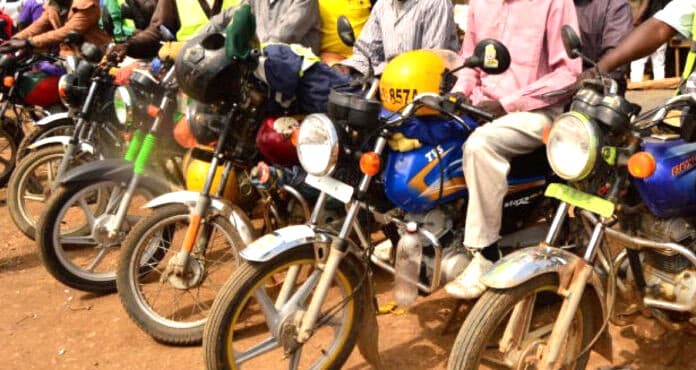
In many Kenyan communities today, boda bodas have become an easy scapegoat in discussions about the challenges facing girls’ education. Stories of unsafe encounters, exploitation, and risky relationships between riders and school-going girls have fueled a growing narrative: that boda bodas are a major, even primary, impediment to girls’ education. While these concerns are real and deserve attention, this line of thinking oversimplifies a complex issue. Boda bodas can amplify existing vulnerabilities—particularly around safety, poverty, and weak regulation—but they do not independently account for the structural exclusion of girls from education.
To understand this issue properly, one must first appreciate the role boda bodas play in everyday life. In rural and peri-urban areas, they are not merely a convenience; they are a necessity. Many learners travel long distances to school, often on rough or inaccessible roads where formal transport systems are absent. For such students, boda bodas provide a practical solution, enabling them to arrive at school on time and with less physical strain. In this sense, boda bodas can actually support access to education rather than hinder it.

However, the risks associated with this mode of transport cannot be ignored. The boda boda sector in Kenya is largely informal, with minimal oversight and inconsistent enforcement of regulations. This lack of structure creates an environment where misconduct can occur. Cases have been reported where some riders engage in inappropriate relationships with school-going girls, offering free rides or small incentives that gradually evolve into exploitative arrangements. For adolescent girls—many of whom are navigating economic hardship and social pressure—such interactions can have serious consequences, including early pregnancies and eventual dropout from school.
These risks are further heightened by the absence of clear accountability mechanisms. Unlike formal transport providers, boda boda riders are often not subjected to rigorous background checks or professional codes of conduct. This makes it difficult to monitor behaviour or enforce discipline. In communities where awareness of child protection rights is low, girls may not even know how or where to report misconduct. As a result, harmful patterns can persist unchecked.
Yet, focusing too narrowly on boda bodas risks obscuring the deeper, more entrenched barriers to girl child education. Poverty remains the most significant of these. In many households, limited resources force difficult choices, and girls are often the first to be pulled out of school. They may be required to stay at home to assist with domestic chores, care for younger siblings, or contribute to the family’s income. In such circumstances, whether or not a boda boda is involved becomes secondary to the broader issue of economic survival.
Cultural norms and practices also play a critical role. In some communities, early marriage is still seen as a legitimate path for girls, effectively ending their educational journey prematurely. Deeply ingrained gender biases may lead families to prioritise the education of boys over girls, reinforcing cycles of inequality. These are systemic issues rooted in tradition and socialisation, far beyond the influence of any single transport sector.
The school environment itself can also be a barrier. Many schools lack adequate facilities to support girls, particularly when it comes to menstrual hygiene management. Without access to sanitary products or private, safe spaces, girls may miss several days of school each month, eventually falling behind or dropping out altogether. Additionally, cases of harassment within school settings—whether from peers or authority figures—further undermine girls’ sense of safety and belonging.
Policy gaps and weak implementation add another layer of complexity. Although there are policies in place to support girls, such as the re-entry policy for teenage mothers, enforcement is inconsistent. Stigma, administrative hurdles, and lack of awareness often prevent affected girls from returning to school. Without strong institutional support, a single setback can permanently derail a girl’s education.
In this broader context, boda bodas should be understood as a contributing factor rather than a root cause. They operate at the intersection of mobility and vulnerability, sometimes exacerbating existing risks but not creating them. Blaming boda bodas alone diverts attention from the systemic reforms needed to truly address the problem.

A more effective approach would be to integrate boda bodas into the solution rather than treat them solely as a problem. This begins with better regulation. County governments, working with boda boda associations, can establish registration and vetting systems for riders, particularly those who regularly transport students. Training programs on child protection and professional conduct could help instil a sense of responsibility within the sector.
READ ALSO: Meru leaders challenge boda boda riders to assist in ending teenage pregnancy
Communities and schools also have a role to play. Organising safe and supervised transport arrangements, even informally, can reduce reliance on unknown riders. At the same time, educating girls about their rights and creating accessible reporting mechanisms can empower them to speak out against misconduct. Parents and community leaders must remain vigilant and actively engaged in safeguarding children.
Ultimately, the conversation must return to the fundamentals: reducing poverty, challenging harmful cultural norms, improving school environments, and strengthening policy implementation. These are the levers that will produce lasting change.
In conclusion, boda bodas are not the greatest impediment to girl child education. They are a visible and sometimes troubling part of a much larger picture. Addressing their role is important, but it must be done as part of a comprehensive strategy that tackles the root causes of exclusion. Only then can we create an environment where every girl has a fair and equal chance to learn, grow, and succeed.
By Ashford Kimani
You can also follow our social media pages on Twitter: Education News KE and Facebook: Education News Newspaper for timely updates.
>>> Click here to stay up-to-date with trending regional stories
>>> Click here to read more informed opinions on the country’s education landscape
>>> Click here to stay ahead with the latest national news.




Reader Discussion (0)
Sign in to comment