





In Kenya’s education discourse today, the dominant chant is 100% transition to senior school. Policymakers, ministry officials and advocates celebrate every learner from Grade 9 stepping into Grade 10 under the Competency-Based Curriculum (CBC) as a triumph of equity and access. For the pioneer cohort entering senior school in 2026, the government has mobilised resources, streamlined placements, and reiterated its commitment to ensuring no child is left behind. Reports indicate strong progress at the junior secondary level, with 97% of Grade 6 completers transitioning, and ongoing efforts are pushing senior school enrollment toward the full target despite early hurdles such as placement glitches and parental concerns over costs.
This momentum builds on years of free day secondary education and the 100% transition policy, showing real progress toward universal basic education.
Yet amid the applause, a deeper unease persists. Rarely do conversations dwell on what happens after learners cross that threshold. Is the singular objective to fill senior school benches, by whatever means necessary – automatic promotions, relaxed entry points, or pressure on under-resourced institutions? The phrase “by hook or crook” captures a troubling mindset: one that prizes enrollment statistics over the transformative power of education itself. Quality learning, student retention, and course completion deserve equal, if not greater, urgency. Without them, the grand transition risks becoming an expensive illusion, producing cohorts who attend senior school but emerge ill-equipped for life.
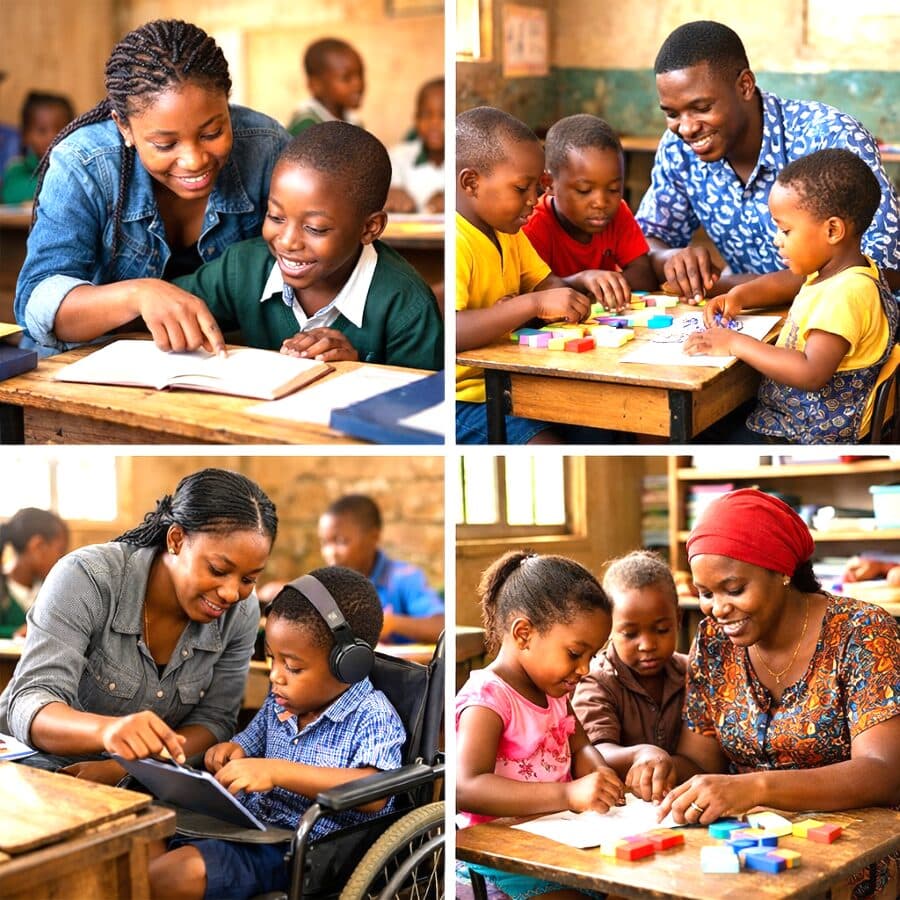
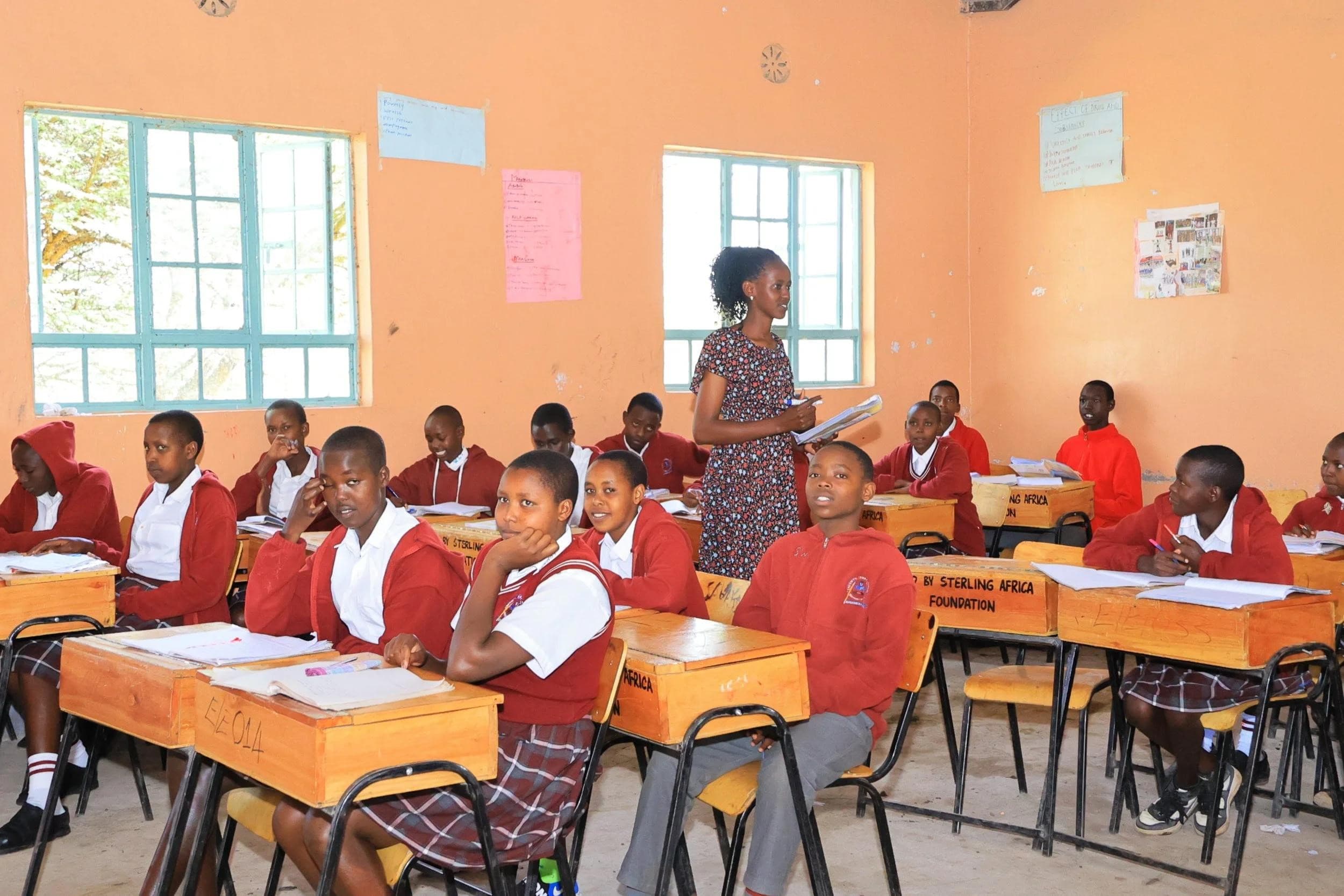
The CBC framework promised a paradigm shift. Unlike the old 8-4-4 system’s exam-centric approach, it emphasises competencies – critical thinking, creativity, collaboration, communication and practical skills. Senior school introduces specialisation in pathways such as STEM, social sciences, arts, and sports, ostensibly tailoring education to individual talents and market needs. In an ideal world, this prepares young Kenyans for higher education, vocational training, or direct entry into the workforce in a rapidly evolving economy. Reality, however, tells a more complicated story. Many schools, particularly in rural and sub-county clusters, face acute infrastructure deficits. New classrooms and laboratories remain incomplete in several areas, leading to overcrowding that undermines the interactive, learner-centred methods CBC demands.
Teachers, still grappling with inadequate re-training, struggle to deliver practical lessons when classes swell, and resources are stretched thin. The result? Learners may sit in senior school, but genuine skill acquisition suffers.
READ ALSO:
https://educationnews.co.ke/guidance-and-counselling-teachers-to-converge-in-eldoret-for-5th-national-forum-and-excellence-awards/
Quality learning cannot be an afterthought. It requires well-prepared educators, adequate teaching materials, relevant assessments, and environments conducive to exploration rather than rote survival. International evidence, including from the World Bank, consistently shows that high enrollment without corresponding learning gains creates “schooling without learning.” Kenya is not immune. Despite impressive gains in access, many students reach the secondary level with foundational gaps in literacy and numeracy. In a competency-based system, these weaknesses compound: a learner weak in basic problem-solving will struggle with senior school projects or specialisation tracks. If we measure success only by bodies in desks, we ignore whether those desks foster real growth or merely warehouse adolescents.
Retention reveals another blind spot. Transition statistics capture the moment of entry, but many learners quietly exit soon after. Historical patterns in Kenyan secondary education show dropout rates hovering between 20% and 30% in some cohorts, driven by poverty, hidden costs (uniforms, transport, supplementary materials), family obligations, early marriage (disproportionately affecting girls), and disengagement when schooling feels irrelevant.
Even with subsidies, economic pressures persist, especially in marginalised regions. Overcrowded senior schools risk amplifying disengagement—learners who feel invisible or unsupported are more likely to vote with their feet. Retention is not passive; it demands deliberate interventions: targeted financial aid, mentorship programmes, flexible pathways for working students, and community involvement to address socio-cultural barriers.
Completion rates complete the picture. Enrolling in senior school is meaningless if large numbers fail to reach Grade 12 and graduate with meaningful qualifications. National data indicate that while primary completion is high, secondary completion lags, with stark regional and gender disparities in arid and semi-arid lands and among vulnerable groups. A system fixated on transition risks inflating enrollment figures while actual graduation lags, wasting public investment and leaving youth without the credentials or skills needed for productive lives. In a country grappling with youth unemployment, producing “senior school alumni” who lack competencies is a recipe for frustration, not empowerment.
So what should the true key performance indicators (KPIs) be? Transition rates remain vital as gateways to opportunity, but a richer dashboard must complement them. Quality of learning outcomes tops the list—measured through formative assessments, competency benchmarks, and value-added progress rather than single high-stakes exams. Retention and attendance rates, disaggregated by gender, location and socioeconomic status, expose equity gaps.
Completion and graduation rates track who actually finishes the cycle. Additional metrics include teacher-learner ratios, infrastructure adequacy (classrooms, labs, digital tools), inclusion of learners with disabilities, and long-term success indicators such as progression to tertiary education, employability, or acquisition of marketable skills.
These KPIs shift the focus from inputs (enrollment) to outputs (learning, persistence, attainment) and outcomes (lifelong readiness). They demand robust data systems, regular monitoring, and accountability at the school, county, and national levels. The Ministry of Education already tracks some of these; the challenge lies in elevating them alongside transition targets and allocating resources accordingly.
Pursuing 100% transition “by hook or crook” without balancing these elements risks several pitfalls. Overstretched schools lower standards to cope. Learners advance without mastery, widening achievement gaps. Public trust erodes when parents perceive senior schools as chaotic or ineffective, as seen in recent reports of placement confusion and financial sustainability concerns. Ultimately, it undermines the very purpose of education: developing capable, confident citizens who contribute to national development.
Kenya stands at a pivotal moment. The CBC and senior school restructuring represent bold ambition to align education with 21st-century realities. Realising that vision requires moving beyond headcounts. It calls for sustained investment in teacher capacity, accelerated infrastructure development, innovative financing to eliminate hidden barriers, and community partnerships for retention. Policymakers must resist the temptation to declare victory at enrollment and instead scrutinise whether every transitioned learner is learning, staying, and completing.
Learners are not mere statistics to be transitioned; they are young people whose futures hinge on meaningful educational experiences. Quality, retention and completion are not optional extras – they are the measures of whether the 100% transition dream delivers genuine transformation. As the first CBC senior school cohort settles in, let the national conversation mature. True success will not be measured by enrollment tallies alone, but by the capabilities, resilience, and achievements of graduates who walk out of senior school ready to build Kenya. Only by embracing this fuller vision can we ensure education serves its highest calling: unlocking human potential for all.
By Ashfod Kimani
Ashford teaches English and Literature in Gatundu North Sub-county and serves as Dean of Studies.
You can also follow our social media pages on Twitter: Education News KE and Facebook: Education News Newspaper for timely updates.
>>> Click here to stay up-to-date with trending regional stories
>>> Click here to read more informed opinions on the country’s education landscape

Reader Discussion (0)
Sign in to comment