





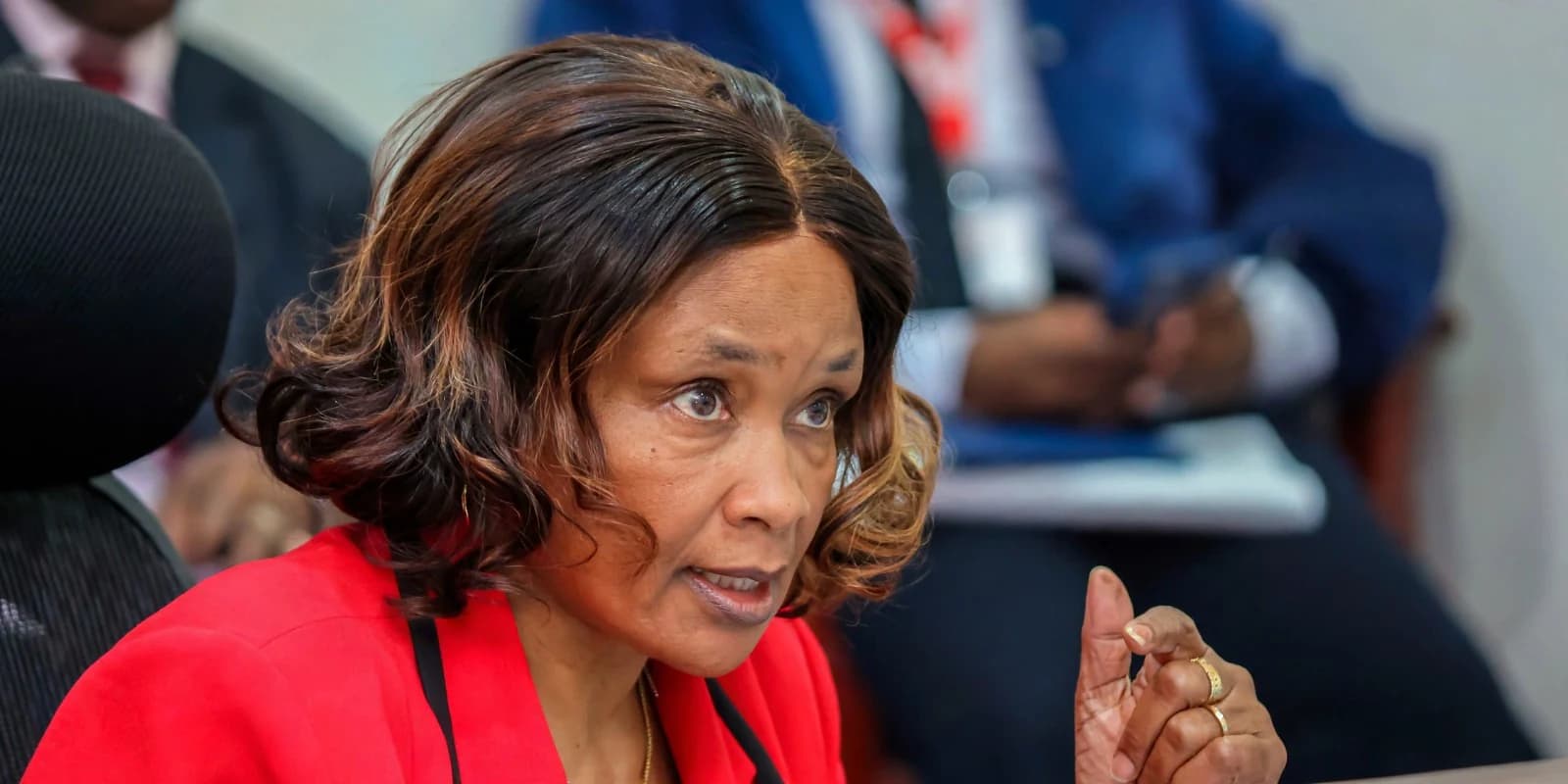


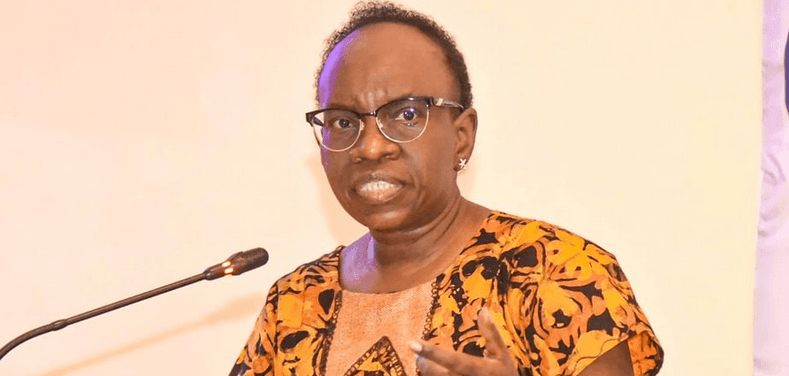
Kenya lost KSh458.2 million over four years due to systemic failures in planning, oversight, and delivery of textbooks to public schools, a special audit by Auditor‑General Nancy Gathungu has revealed.
The review covering capitation and infrastructure grants between 2020/21 and 2023/24, found that gaps in procurement and distribution deprived learners of essential materials and undermined classroom instruction.
The audit assessed 442 secondary schools, 339 junior schools, and 336 primary schools, documenting widespread irregularities including non‑delivery of contracted books, delayed shipments, and consignments for subjects not taught.
During the period under review, the State Department for Basic Education released Sh27.9 billion to the Kenya Institute of Curriculum Development (KICD) to procure textbooks from prequalified publishers, yet the department did not provide clear explanations on how capitation funds were allocated to KICD.
ALSO READ:
https://educationnews.co.ke/ndindi-nyoro-unveils-2026-kiharu-masomo-bora-programme-cuts-day-school-fees-to-ksh500/
Contracts between KICD and publishers specified printing, packaging, and delivery terms, including delivery addresses and final destinations, with quantities and schedules set per school. Despite these provisions, school records showed textbooks worth Sh295.63 million never reached their intended destinations. Shortages hit 415 secondary schools, 194 junior schools, and 245 primary schools, with missing books ranging from one to 1,485 in secondary, one to 376 in junior, and one to 540 in primary schools. The audit warned that inconsistent access to textbooks hampers learning and contributes to poor academic performance.
The report further found KSh30.34 million spent on distributing textbooks for subjects not offered, including 134,199 books to 118 secondary schools, 12,137 to 225 junior schools, and 281 to 26 primary schools.
Publishers also failed to deliver textbooks worth KSh41.42 million to 183 secondary schools, 232 junior schools, and 253 primary schools, while delivery delays spanning three to 37 months, often occurred after portions of the syllabus had already been taught, compromising instructional quality.
Under‑supply was widespread: secondary schools received 42,384 fewer textbooks than required, junior schools 71,280 fewer, and primary schools 134,129 fewer. Excess deliveries worth KSh90.83 million were sent to 394 secondary schools, 94 junior schools, and 182 primary schools, with surpluses ranging from one to 1,148 in secondary, one to 161 in junior, and one to 498 in primary schools.
ALSO READ:
https://educationnews.co.ke/migoris-senye-sda-mixed-school-continues-to-dazzle-in-kcse-despite-challenges/
The audit noted that over‑ or under‑supply constitutes a breach of contract where delivered quantities did not match instructions.
Weak inventory control compounded the problem. The audit observed poor stocktaking and inaccurate records in 110 schools, undermining accountability for textbooks and other learning materials.
The audit also flagged KICD’s failure to include textbook procurement in its planning, a lapse that contributed to misalignment between funding flows, contractual obligations, and actual deliveries.
By Masaki Enock
You can also follow our social media pages on Twitter: Education News KE and Facebook: Education News Newspaper for timely updates.
>>> Click here to stay up-to-date with trending regional stories
>>> Click here to read more informed opinions on the country’s education landscape
>>> Click here to stay ahead with the latest national news.
Reader Discussion (0)
Sign in to comment