







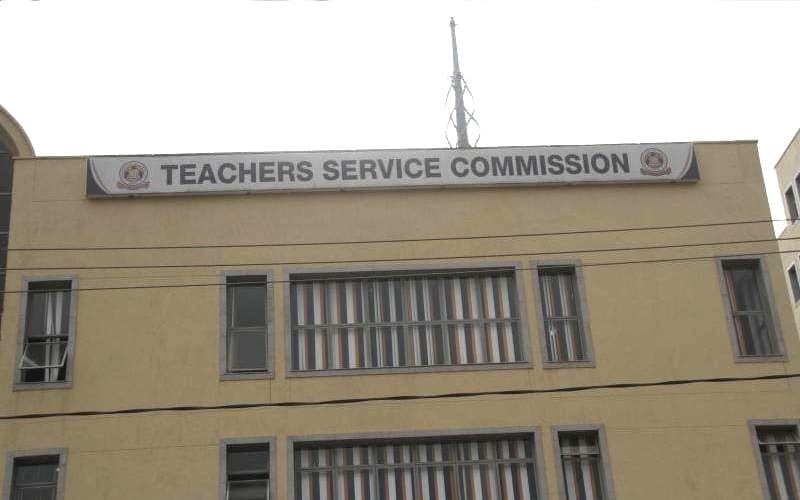
Teachers across the country are anxiously awaiting an official report following a high-level stakeholders’ meeting held at the Kenya School of Government Embu Campus, which brought together officials from the Teachers Service Commission (TSC) and representatives of teachers’ unions.
The meeting, which concluded on March 15, 2026, is widely seen as a decisive moment in addressing long-standing concerns surrounding the Career Progression Guidelines (CPG).
For years, many teachers have expressed frustration over what they describe as stagnation, limited promotion opportunities, and unclear progression pathways.
Now, with the conclusion of the Embu meeting, anticipation has reached a fever pitch. Teachers are eagerly waiting for a formal communication that could potentially signal the scrapping or major overhaul of the CPG framework.
In staffrooms and online forums, speculation is rife. A widely circulated summary, purporting to reflect the outcomes of the meeting, suggests sweeping reforms that could redefine career progression in the teaching service.
Among the expectations are automatic promotions every three years, restructuring of job groups, and the possible abolition of certain grades that have historically slowed upward mobility.
According to these expectations, primary school teachers could start at C1 and steadily rise to C3 within defined timelines, while their secondary school counterparts may progress from C2 through to C5. Even more significantly, administrative positions, from senior teachers to chief principals, are expected to be streamlined, offering clearer and more predictable pathways.
ALSO READ:
https://educationnews.co.ke/understanding-exercises-that-protect/
Beyond promotions, teachers are also pinning their hopes on long-awaited reforms in the transfer policy.
Many teachers, especially those serving far from their home counties, have endured years, sometimes over 15 years, in one station despite making repeated transfer applications. The current position by the Teachers Service Commission, which ties transfers to the availability of vacancies and the presence of suitable replacements, has been a major source of frustration.
For affected teachers, these conditions have proven to be a persistent obstacle, effectively locking them in stations far from their families. As a result, there is growing expectation that the Embu meeting may have addressed this perennial issue by proposing a more humane, transparent, and responsive transfer framework.
If implemented alongside the anticipated CPG reforms, such changes would mark a significant shift in improving not only career progression but also the welfare of teachers across the country.
However, despite the optimism, there is also caution. Union officials and education stakeholders have urged patience, emphasizing that only an official report from the Teachers Service Commission will provide clarity on what was agreed upon.
For now, the teaching fraternity remains in a state of hopeful suspense, caught between years of frustration and the possibility of transformative change.
Whether the final report will match the circulating expectations remains to be seen, but one thing is certain: teachers are ready for a system that recognizes their effort, rewards their experience, and responds to their personal and professional needs.
By Wesley Chelule
You can also follow our social media pages on Twitter: Education News KE and Facebook: Education News Newspaper for timely updates.
>>> Click here to stay up-to-date with trending regional stories
>>> Click here to read more informed opinions on the country’s education landscape


Reader Discussion (0)
Sign in to comment