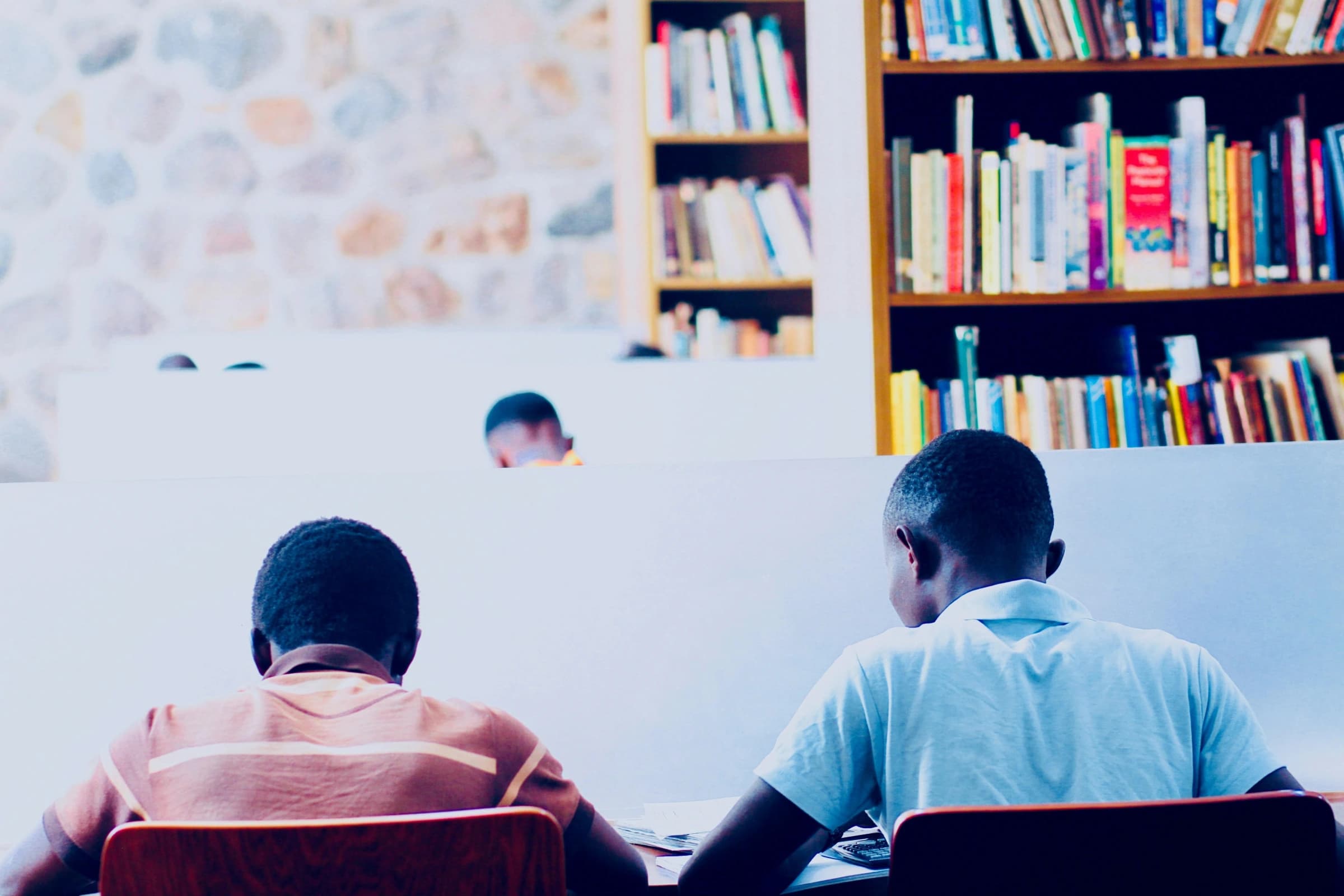

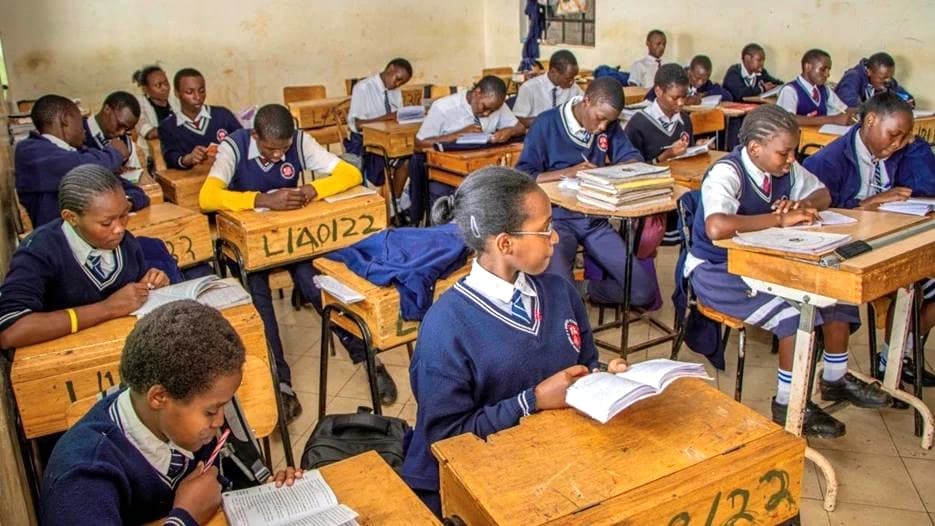

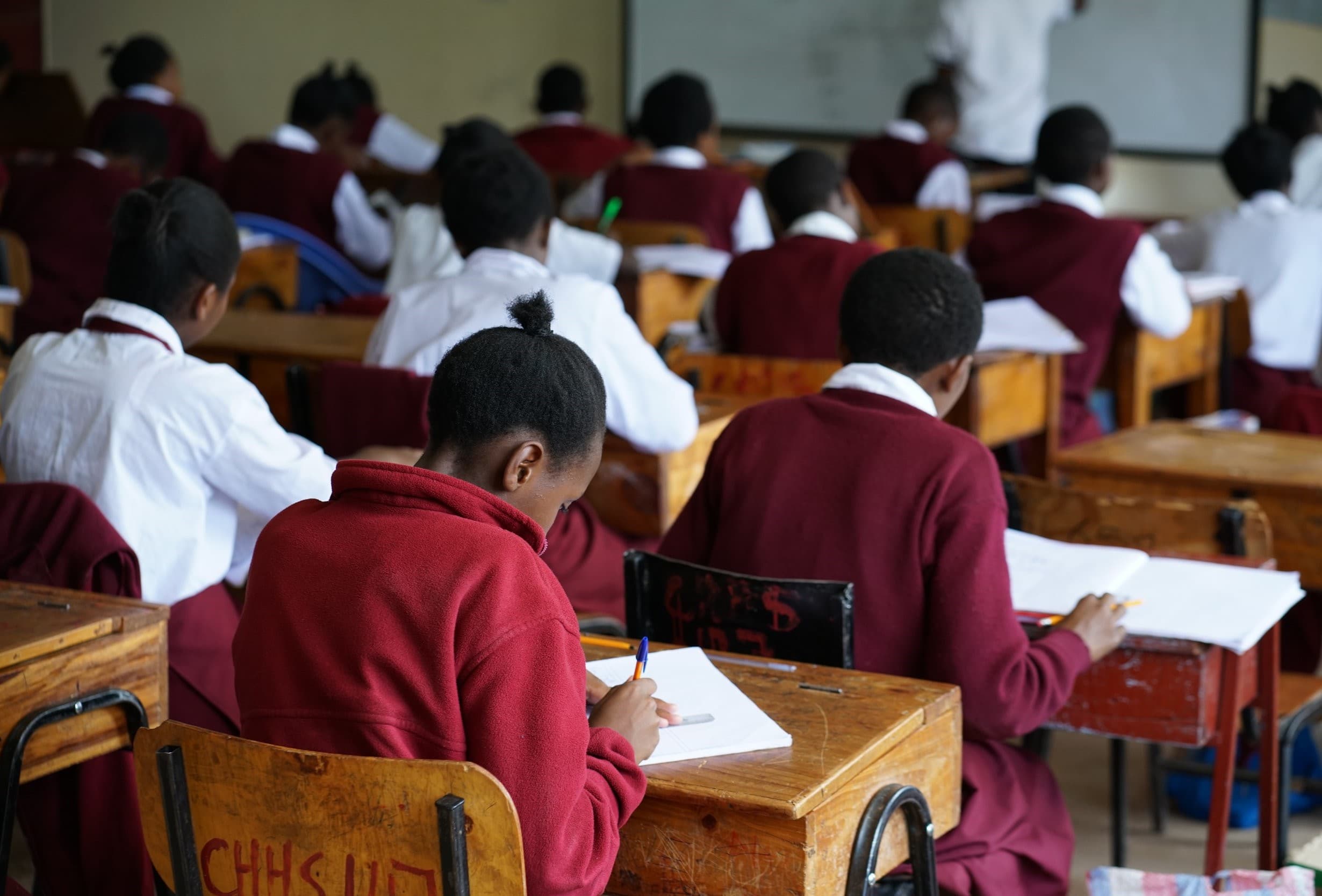
Kenya’s secondary education system is facing a growing crisis in boy-child enrolment, with findings released by the Elimu Yetu Coalition showing that boys now make up just 45% of students in secondary schools. This points to a widening gender gap that has reversed earlier gains in parity and triggered urgent calls for targeted policy action.
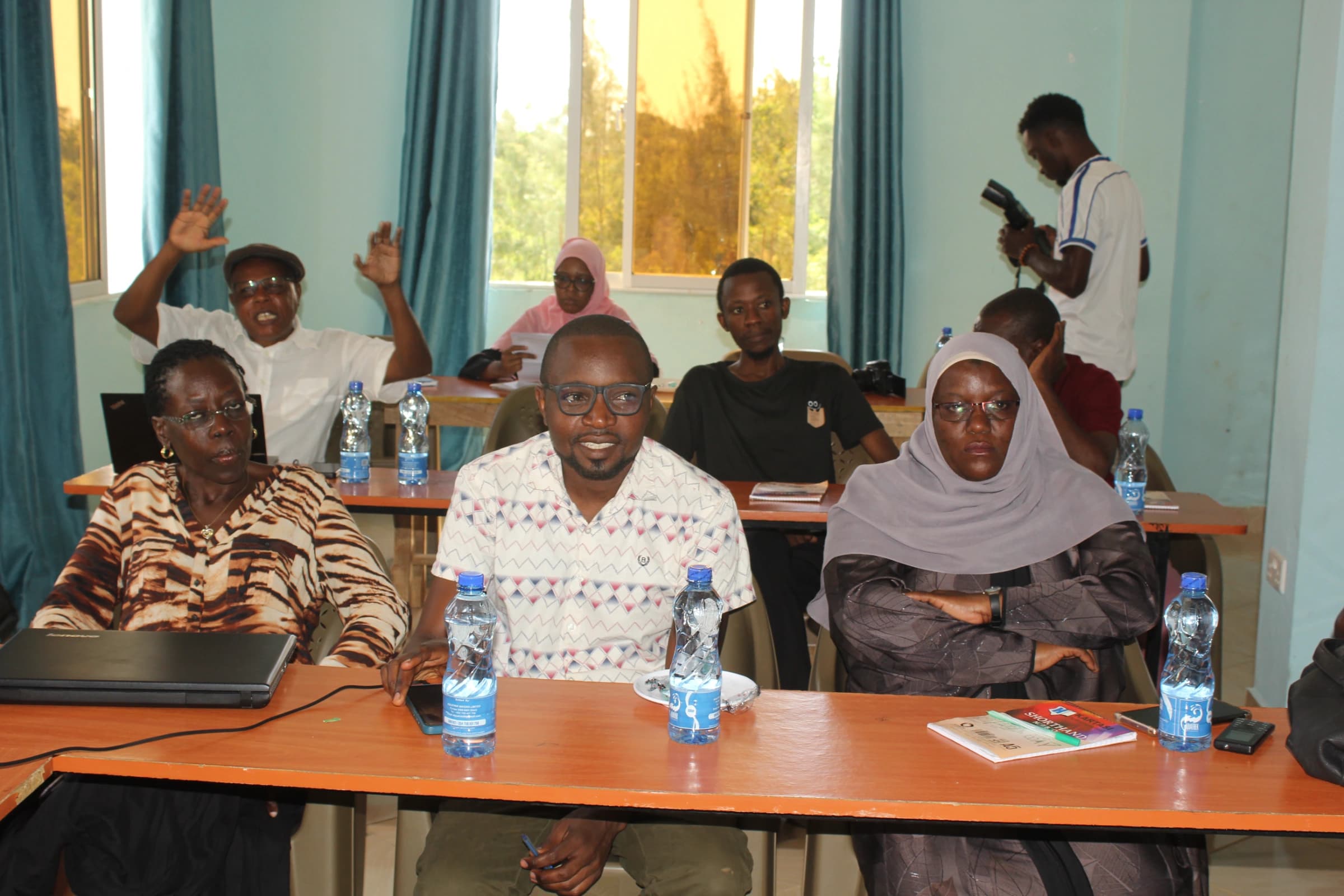
Speaking during the coalition’s State of Basic Education Address in Nairobi, Coordinator Joseph Wasikhongo said the drop in male enrolment has coincided with a steady rise in girls’ transition rates, resulting in a gender parity ratio of 1:16 in favour of girls.
“The boy-child crisis is deepening. Enrolment has fallen to 45 per cent, and the parity gap continues to widen,” Wasikhongo said.
The coalition said its assessment was informed by grassroots observations from county networks, thematic groups and national partners throughout 2025. Girls are now transitioning from upper primary to secondary school at rates exceeding 90 per cent, catching education planners off guard and raising questions about the underlying causes of the disparity.
ALSO READ:
https://educationnews.co.ke/knut-wants-annual-state-house-meetings-as-union-marks-65th-delegates-conference/
The report comes as Kenya continues to roll out the Competency-Based Curriculum (CBC), with preparations underway for the transition to Grade 10. More than 100,000 teachers have been retooled, learning materials have been developed up to Grade 11, and over 14,600 classrooms have been constructed for junior secondary schools.
However, the coalition warned that subject mismatches and uneven parental awareness could undermine learning quality during the shift from Grade 9 to Grade 10.
To address these gaps, the coalition called for accelerated completion of Grade 9 classrooms, fast-tracked teacher deployment, and nationwide awareness campaigns led jointly by the Ministry of Education, Boards of Management, civil society and local communities.
Despite recent recruitment efforts, Kenya still faces a national teacher shortage of 111,870. This is despite the hiring of 46,000 junior secondary teachers in January 2025 and plans to recruit 20,000 more in early 2026. The shortage is most severe in arid and semi-arid regions, hard-to-staff schools and STEM subjects.
Wasikhongo emphasized that teacher recruitment must remain under the Teachers Service Commission (TSC), free from political interference, and that teacher welfare should be prioritized through mental health support and expanded access to Teacher Wellness Centres.
Special Needs Education was also flagged as critically underserved, with enrolment below two per cent. The coalition urged alignment of SNE policy with CBC, improved use of NEMIS data, timely financing and inclusive infrastructure development.
Other challenges highlighted include capitation delays, ghost schools, and a lack of formal recognition for teachers in refugee-hosting areas. The coalition urged the government to honour its international obligations under the Global Compact on Refugees, the Sustainable Development Goals and the Djibouti Declaration by formally recognizing refugee educators.
ALSO READ:
https://educationnews.co.ke/tsc-transfers-over-25-principals-in-bomet-county-in-major-reshuffle/
Digital learning remains uneven, with many rural, ASAL and refugee-hosting schools lacking electricity, devices and internet access. School feeding programmes were described as essential lifelines in vulnerable regions, while Early Childhood Development and Education (ECDE) continues to expand through teacher recruitment and infrastructure investment.
The coalition also called for harmonized ECDE teacher schemes, standardized child-friendly facilities and stronger coordination between counties, the Ministry of Education and the TSC to ensure smooth transitions into primary school.
Climate shocks were cited as a growing threat to learning continuity, with the coalition urging greater investment in climate-resilient infrastructure, disaster preparedness, early warning systems and water harvesting. Schools, it said, should serve as community hubs for resilience and recovery.
The Kenya Junior School Education Assessment (KJSEA) was identified as a key tool for tracking learner competencies and transition readiness. The coalition said KJSEA results should inform fair allocation of learners to senior schools and guide policy decisions.
As the year closes, the coalition acknowledged progress made through programmes such as the Kenya Primary Education Equity in Learning Programme (KPEELP) and the Secondary Education Quality Improvement Programme (SEQIP), but urged the Ministry of Education to uphold transparency and accountability in implementation.
By Masaki Enock
You can also follow our social media pages on Twitter: Education News KE and Facebook: Education News Newspaper for timely updates.
>>> Click here to stay up-to-date with trending regional stories
>>> Click here to read more informed opinions on the country’s education landscape
>>> Click here to stay ahead with the latest national news.


Reader Discussion (0)
Sign in to comment