- Mike ‘Gorba’ says humour should never become an excuse for sexism, tribalism or humiliation.
- He urges speakers to communicate clearly, respectfully and with greater awareness of their audience.
- Healthy public communication, he says, requires listening, consideration, feedback and responsible disagreement.
I was once in a public space when a random person brought up a topic loudly. A passer-by would have thought it was genuinely funny banter from the rapturous laughter that followed every brief pause.
But no. It was nothing to write home about.
People kept laughing because at centre stage stood a man who described almost everything around him in a sexual manner, disregarding the place he was in and even his audience. Still, most people saw him as funny.
Was he? Really?
What about the stereotypical jokes we keep hearing? Imagine encountering this at your workplace or place of worship:
“Tribe A are thieves…” followed by laughter.
“Tribe B are witches…” followed by more laughter.
The old question begs: is there really something to laugh about?
What about sensitive topics disguised as general public conversation but meant to target a specific person? They are presented as harmless ways of passing time but are often full of bile, generalisations and claims that are far from the truth.
“Any single woman is either a… or a…”
“All men are…”
“All women are…”
“For a childless couple, the problem is the…”
“You are foolish if you feel burnt out or suicidal because…”
“You don’t have a brain if your business goes down because…”
Those are only a few examples.
How many times do we condemn heated public abuse among politicians or even in our homes, yet continue treating similar language as normal?
The more we accept it as normal, the more it becomes the new normal.
It should not.
Communication can harm or build
Have you ever had to close your ears in public because of sexist talk and jokes? Blatant bravado, sarcasm laced with stereotypes and tribalism, all delivered condescendingly?
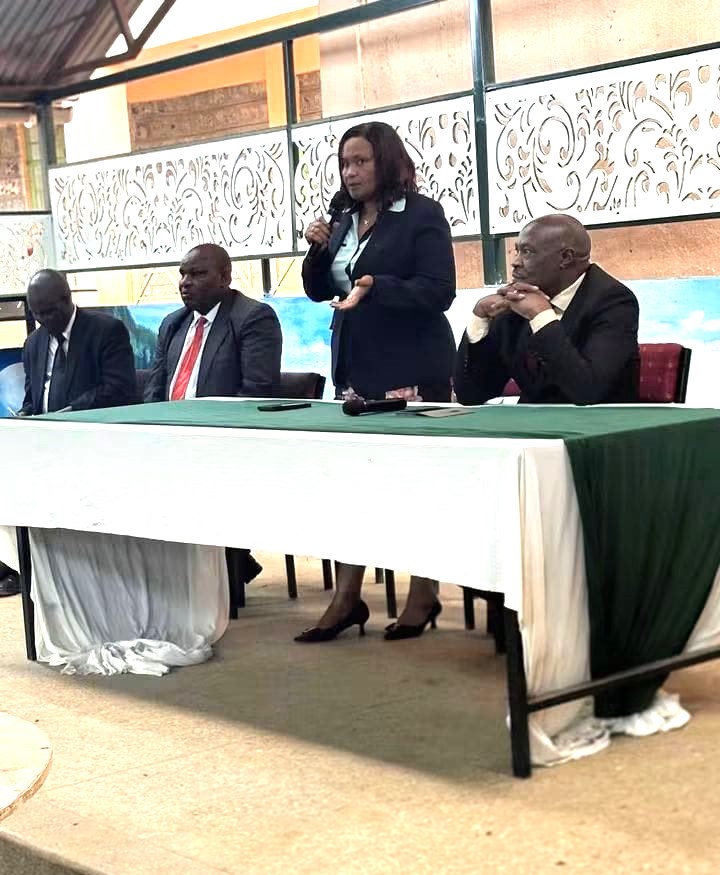
Welcome to the harsh reality of modern public communication in workplaces, political rallies, schools and places of worship.
How best, then, can we achieve wellness in public communication?
It is important that we reflect on our own contributions to public conversations.
What am I saying?
It is perfectly fine to possess a strong worldview, hold opinions and voice them. But is what you have to say true? Is it thoughtful? Does it resonate with who you are and with your belief system?
The spirit and letter of a message can be as powerful as the message itself.
A message carries the power to change or shift opinion, degrade or uplift, motivate or demotivate, update or misinform, unite or segregate.
After saying what you have said, ask yourself: What did I really mean? What did I want the result to be?
Some people care about the aftermath of their communication. Others do not. Tomorrow comes and they repeat the cycle.
They do not want peace. They want problems.
Clarity and respect matter
Any time you speak in public, formally or informally, your message should be as clear as possible.
Avoid ambiguity unless you deliberately want your audience to misunderstand you.
A good message should also avoid unnecessary offence and should be reinforced through tone, emotion, illustration and appropriate body language.
You can speak about love with a smile, use a friendly tone and extend a handshake. The message becomes clearer: love and hospitality.
When you are at centre stage delivering a message, ensure you are as clear as possible.
If it is formal communication, use appropriate posture, gestures and intonation.
For informal social banter, do not become so casual that you turn dismissive or disrespectful, especially when discussing sensitive subjects.
It is equally important to respect every member of your audience.
Some people are openly dismissive. They cannot tolerate contrary opinions and easily come across as rude.
They say things such as:
“That cannot happen here.”
“You are very wrong.”
“There is nothing you can tell us.”
“People like you…”
“We have been doing this…”
It is human to be considerate.
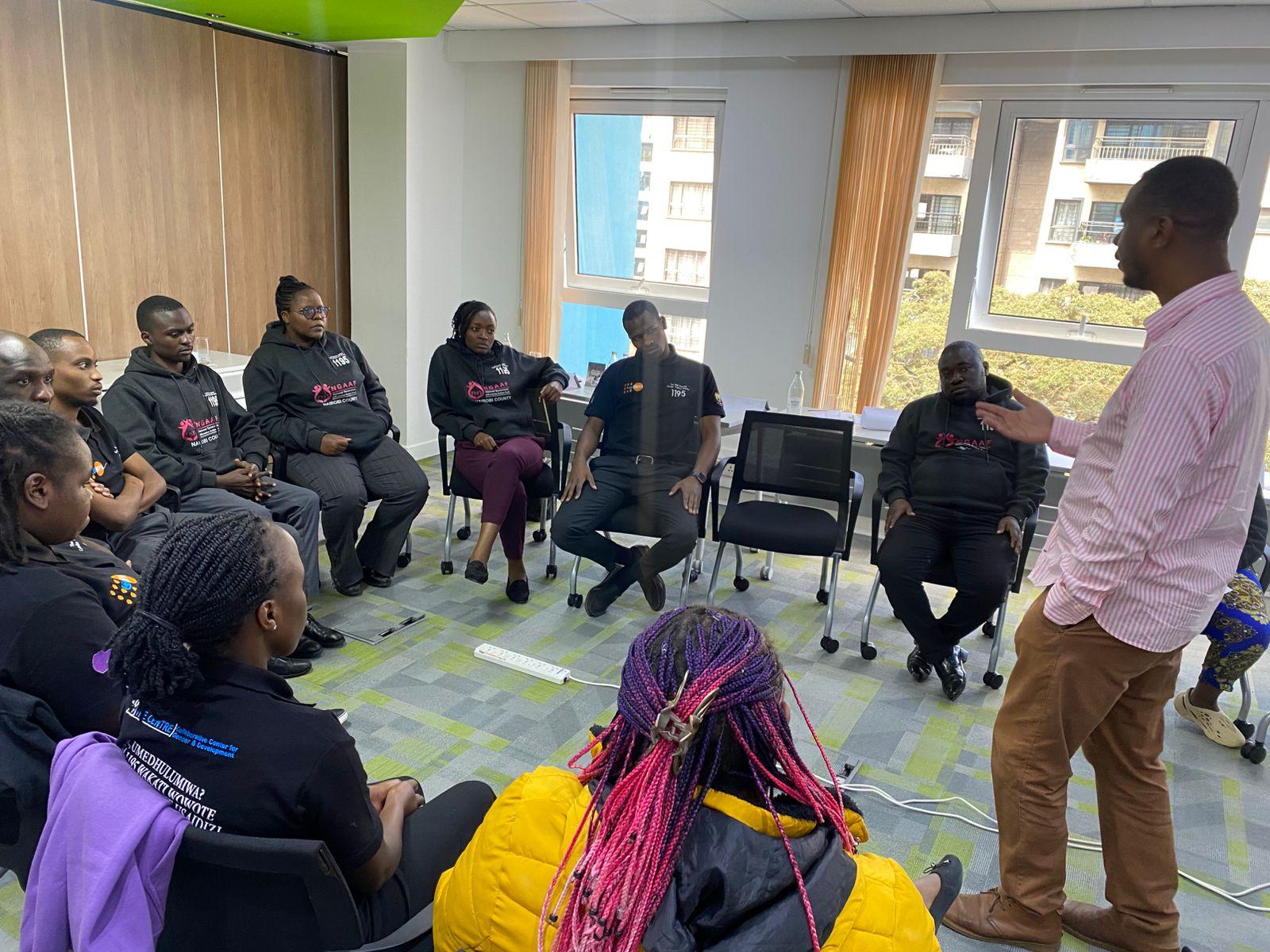
Give your thoughts and, in the same way, listen to others.
Where you feel offended, point it out without shouting, abusing people or treating others as lesser beings.
How we communicate really matters.
Considerate speakers make friends. Inconsiderate ones beat war drums.
Disagreement should not become disrespect
Needless to say, I am not suggesting that we cannot disagree.
It is necessary and even healthy to disagree sometimes.
The danger comes when disagreement becomes personal, when people begin profiling, patronising or attacking one another.
In informal settings such as workplace conversations during breaks, sometimes it may simply be your turn to listen and absorb the information.
As a person on the receiving end, try to remain as open-minded as possible.
Do not personalise every general message unless it clearly targets you.
You have little control over what other people say, but you have greater control over how you perceive and respond to it.
Once you have understood the message, respond appropriately.
Since informal conversations are not bound by strict speaking rules, try to be an effective and active listener. Follow the topic at hand.
Be present and enjoy the company. That is how memories are made.
Get off your phone for a while and use polite language while at it.
Using sexist or tribal language never makes you funny. It reflects ignorance.
And the good thing is that informal group conversations can make our days and brighten our breaks when conducted respectfully.
Feedback is the joy of communication.
Imagine the immense pleasure of receiving a standing ovation or hearing genuine laughter.
Then imagine awkward silence accompanied by glares and frowns.
Feedback says a lot about the delivery, the person conveying the message and the audience receiving it.
In formal settings, feedback can be recorded and used for reviews. It can inform future actions and therefore deserves to be taken seriously.
In informal settings, feedback is often immediate.
A smile encourages.
A frown unsettles.
The existing bond and mood can change instantly.
Having said all that, which setting requires greater attention and consideration whenever we address people in public?
I present both.
Whether the setting is formal or informal, wellness in communication begins with recognising that words have consequences.
By Mike ‘Gorba’
Get more stories from our website: Education News
To write to us or offer feedback, you can reach us at: editor@educationnews.co.ke
You can also follow our social media pages on Twitter: Education News KE and Facebook: Education News Newspaper for timely updates.
>> Click here to stay up-to-date with trending regional stories