- Trans Nzoia residents demand clear management structures for ECD, primary and JSS
- Trans Nzoia stakeholders want separate management structures for ECD, primary and junior secondary schools.
- KUPPET warned that placing all three levels under one head could create administrative confusion.
- Other submissions focused on school funding, teacher training, disability inclusion and student loan repayment.
Trans Nzoia residents have called for proposed education reforms to establish clear management structures for different levels of education, warning against having one head oversee Early Childhood Development (ECD), primary and Junior Secondary School (JSS).
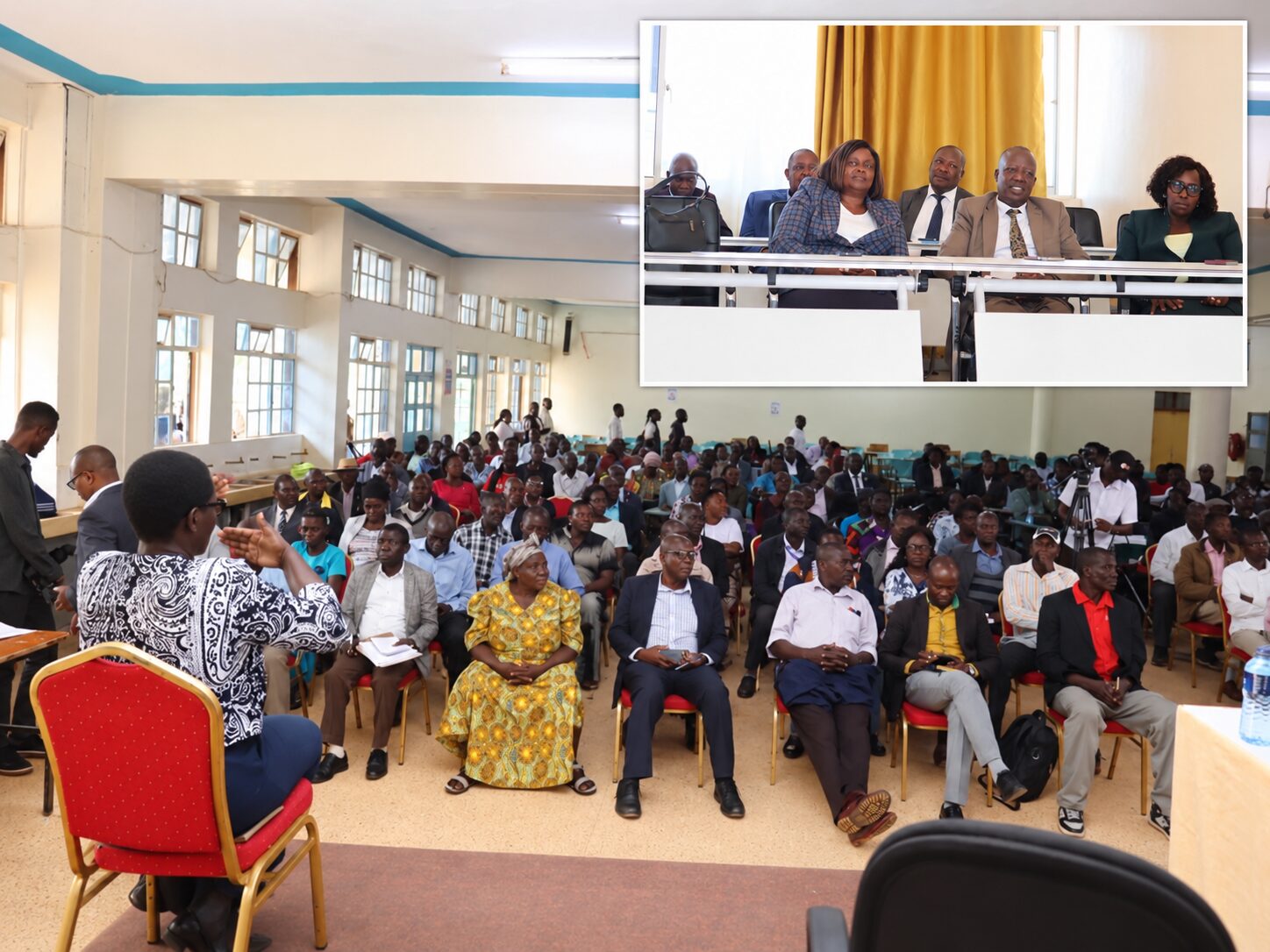
The views were presented during a public participation exercise conducted by the National Assembly Education Committee, led by Tinderet MP Julius Melly, to engage stakeholders and members of the public on proposed Education Reform Bills arising from the Report of the Presidential Working Party on Education Reform.
The Kenya Union of Post Primary Education Teachers (KUPPET) said: “We cannot have one head running from ECD to Junior Secondary School. This will cause chaos.”
The union proposed that JSS should have its own principal while ECD and primary schools retain their current management structures.
The Kenya Secondary School Heads Association (KESSHA) called for a basic fund for secondary schools, while the Kenya Primary School Heads Association (KEPSHA) proposed that assessment numbers, rather than birth certificates, be used to determine funding.
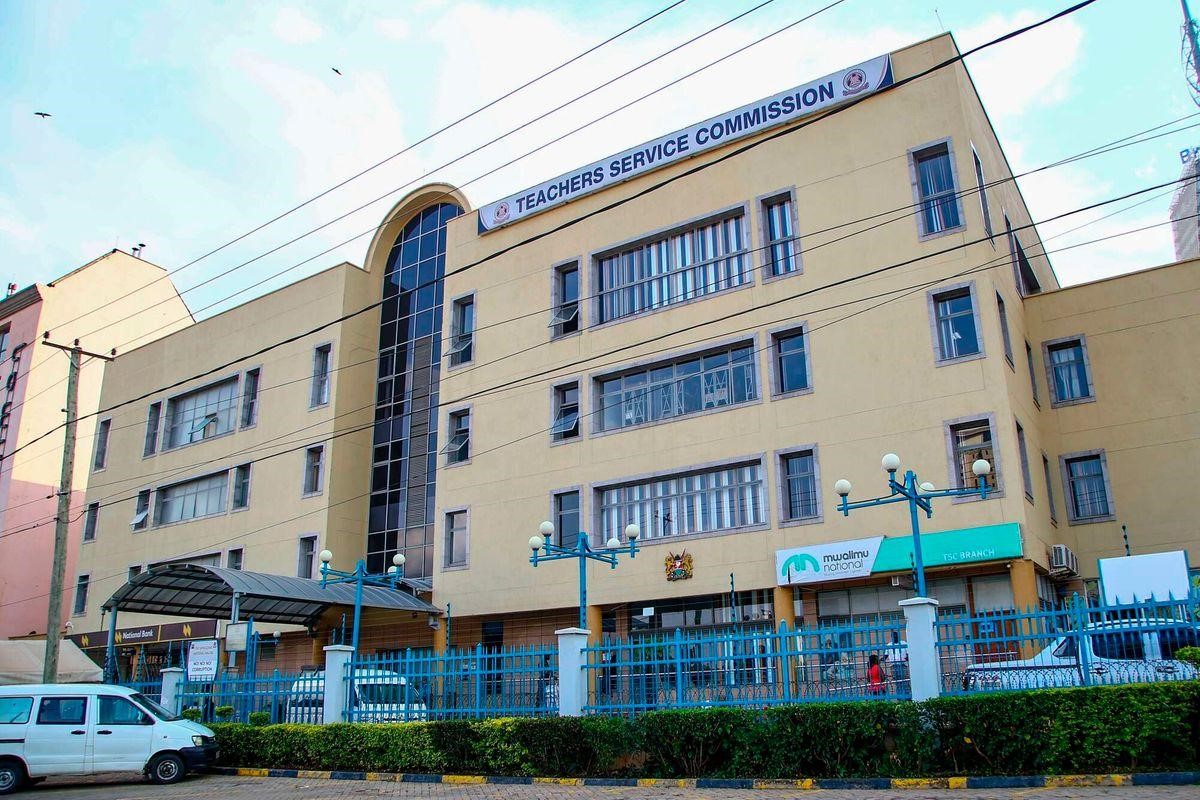
The Teachers Service Commission (TSC), on its part, called for teachers to be given opportunities to return to school for further training, with the government funding pre-service and in-service programmes.
Representatives of persons with disabilities called for greater inclusion of learners with conditions such as autism and proposed that existing HELB arrangements for learners with disabilities be maintained.
The TVET sector also raised concerns over student financing, with Kitale National Polytechnic reporting a 15.2 per cent dropout rate, with inability to pay fees accounting for 43 per cent of the dropouts.
The institution proposed changes to student funding provisions and called for loan repayment to begin only after a beneficiary secures substantive employment.
Kakamega institutions seek clearer mandates
In Kakamega County, the management of Masinde Muliro University of Science and Technology called for a clear separation of institutional mandates to avoid overlaps and accreditation conflicts.
The university also proposed reducing the proposed 25 per cent loan deduction to 5 per cent.
Parents and faith-based organisations called for stronger parental engagement in education and greater support for faith-based education institutions.
The committee noted the concerns and recommendations raised by stakeholders, with Melly assuring them that their views would be considered and incorporated into the committee’s report for further consideration.
READ ALSO: TSC concludes primary teacher promotion interviews as focus shifts to secondary schools
The delegation is scheduled to proceed with the public participation exercise in Kisumu and Homa Bay counties, where it will continue receiving views from stakeholders and members of the public on the proposed Education Reform Bills.
By Joseph Mambili
Get more stories from our website: Education News
To write to us or offer feedback, you can reach us at: editor@educationnews.co.ke
You can also follow our social media pages on Twitter: Education News KE and Facebook: Education News Newspaper for timely updates.
>> Click here to stay up-to-date with trending regional stories