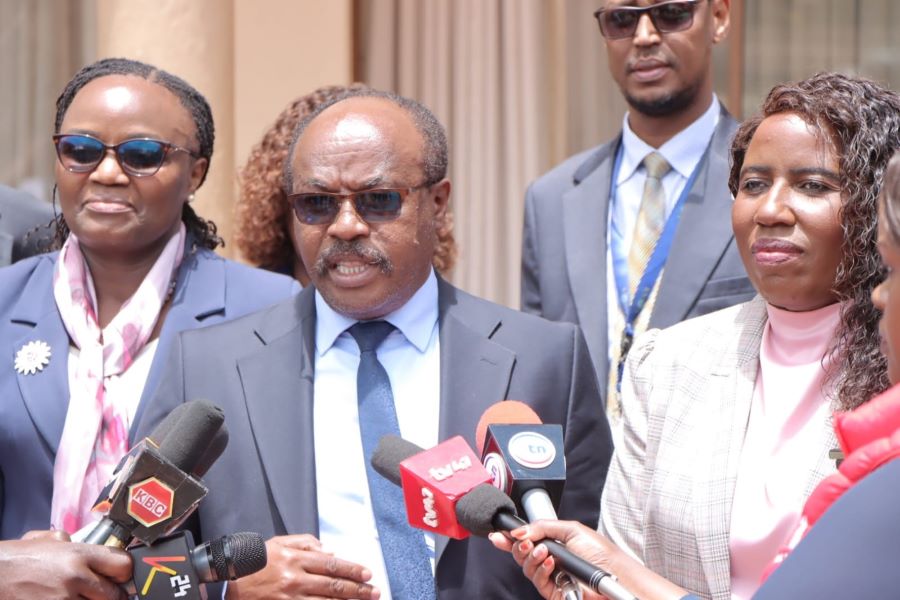
- MPs have questionedBishop Gatimu Ngandu Girls High School over a Sh1 million NSE investment flagged by the Auditor General for lacking proper documentation.
- The school has failed to provide investment certificates and evidence of Treasury approval required under the Public Finance Management Act.
- The committee has directed the school to submit supporting documents and has deferred the matter for further review.
Members of Parliament have questioned the financial returns and documentation surrounding a Sh1 million investment in shares at the Nairobi Securities Exchange (NSE) by Bishop Gatimu Ngandu Girls High School.
The National Assembly Public Investments Committee on Governance and Education (PIC-G&E) raised concerns after the Auditor General flagged Sh1.58 million recorded as short-term investments in the school’s financial statements for the year ended June 2021.
An audit found that the school had failed to provide investment certificates and other supporting documents, making it difficult for auditors to verify the existence and completeness of the reported investment.
Appearing before the committee, the school’s Chief Principal, Jane Njuguna, said the Sh1.58 million comprised several balances, including Sh1 million invested in stock exchange shares, while the remainder was held in different accounts.
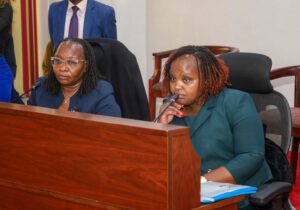
Njuguna told MPs that the investment generated finance income for the school. However, lawmakers questioned its performance after she disclosed that the Sh1 million investment earned only Sh5,381 in dividends over the year.
ALSO READ:
P1 teachers get a fresh shot at career progression under new Bill
“Can you imagine we have Sh1 million and this year you got Sh5,000?” committee chairman Dick Maungu, the MP for Luanda, asked, questioning whether the investment was providing value for money.
The committee also questioned whether the school had obtained the required approval from the National Treasury before investing public funds.
Auditor General’s representative Patricia Esipeya told the committee that Section 119(2) of the Public Finance Management Act requires accounting officers to manage public funds responsibly and ensure cash balances are kept at a minimum while seeking optimal returns.
She further told MPs that investments by public institutions require approval from the National Treasury through the relevant parent ministry.
When asked whether the school had obtained Treasury approval for the investment, Njuguna requested additional time to establish the details.
The response prompted the committee to defer the matter and order the school to return with supporting documentation.
Maungu directed the school to provide investment certificates, evidence of Treasury approval, details of the shares purchased, minutes of board and parents’ meetings, and records showing the investment’s performance.
ALSO READ: TSC assures teachers of free and fair promotion interviews
“We need to provide that there is indeed value for money,” Maungu said.
The chairman also questioned the decision to invest school funds while the institution continues to face financial challenges and relies on contributions from parents.
The committee is expected to revisit the matter once the school submits the requested documents.
By Obegi Malack
Get more stories from our website: Education News
To write to us or offer feedback, you can reach us at: editor@educationnews.co.ke
You can also follow our social media pages on Twitter: Education News KE and Facebook: Education News Newspaper for timely updates.
>> Click here to stay up-to-date with trending regional stories