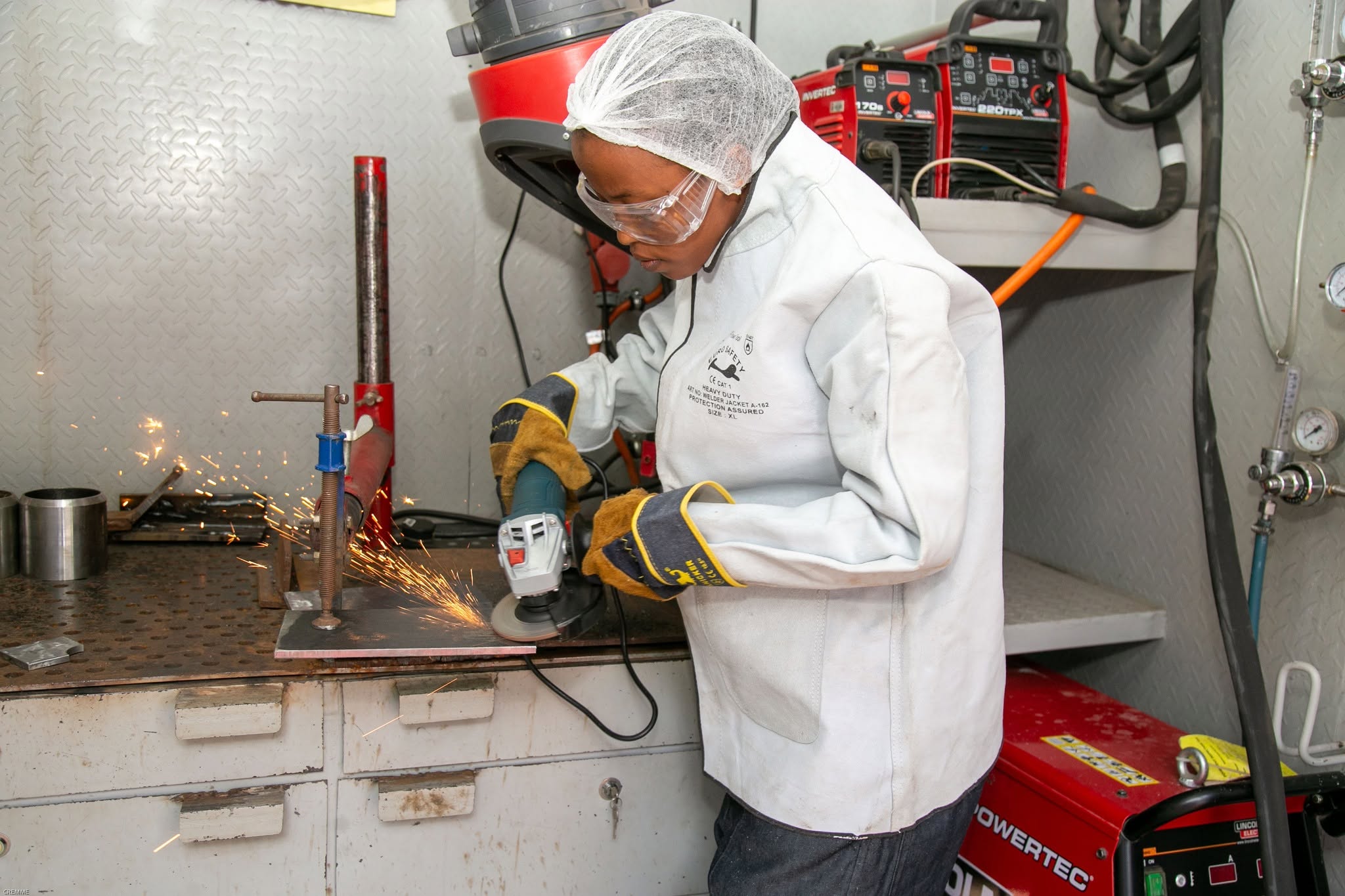
- TVETA has been challenged to shift from compliance-focused regulation toward an approach that balances quality assurance with room for institutional innovation.
- The push has emerged as Kenya advances modular CBET, Recognition of Prior Learning and digitalisation, all of which are reshaping how skills are acquired and demonstrated.
- The Authority has been urged to strengthen the credibility of TVET qualifications, positioning them as portable and trusted by both employers and learners regionally and internationally.
Kenya’s TVET revolution could lose momentum if regulation fails to keep pace with the industries, technologies and jobs it is supposed to prepare young people for. That warning has put the spotlight on the Technical and Vocational Education and Training Authority (TVETA) as the country moves to expand technical and vocational training and position skills development at the centre of economic transformation.
The issue emerged as the TVETA Board and Management Retreat was officially opened, with the Authority challenged to rethink its strategic role and ensure that regulation becomes a driver of quality, confidence and innovation rather than a system dominated by compliance. The message comes at a defining moment for Kenya’s TVET sector, as the country invests heavily in skills development to tackle youth unemployment, address skills mismatches and provide industry with a workforce capable of supporting manufacturing, construction, agriculture, technology and other productive sectors. But producing more graduates will mean little if employers cannot trust the quality of their skills or the qualifications they hold.
Balancing Standards With Room to Innovate
This places TVETA at the centre of a delicate national balancing act. It must protect the integrity of training and qualifications while ensuring that regulation does not become so rigid that institutions struggle to introduce new programmes, technologies and teaching approaches. The regulator must therefore move from policing compliance to shaping the future of skills development, a shift that does not mean lowering standards but rather developing a regulatory framework that is tough on poor-quality training while flexible enough to accommodate legitimate innovation and institutional growth.

The challenge is becoming more urgent as Kenya advances modular Competency-Based Education and Training (CBET), Recognition of Prior Learning (RPL), digitalisation, stronger industry participation and labour mobility, reforms that are fundamentally changing how people acquire and demonstrate skills. Under modular CBET, learners can progressively build competencies rather than necessarily following rigid training pathways, while RPL can help people who have acquired skills through work and experience obtain formal recognition. Digitalisation, meanwhile, is changing how training is delivered, managed and assessed. Industry participation is equally important, since training institutions cannot operate in isolation from the labour market, and employers must have a meaningful role in identifying emerging skills needs and ensuring that training remains relevant to actual workplaces.
ALSO READ:
TSC may change how co-curricular activities are assessed in promotion interviews
Why Qualification Credibility Is a National Economic Issue
For Kenya, the stakes extend beyond the education sector. A mismatch between what institutions teach and what employers require can leave graduates with certificates but limited opportunities, while a responsive TVET system can supply the technical workforce required to expand businesses, attract investment, strengthen local manufacturing and support entrepreneurship. This makes the credibility of qualifications a national economic issue: employers need assurance that a TVET certificate represents real competence, learners need confidence that the qualifications they pursue will open doors to employment and further training, and institutions need a regulatory environment that gives them room to innovate while holding them accountable for results.
TVETA must therefore find the middle ground between regulation and innovation. Too little regulation can allow poor-quality providers and inconsistent standards to flourish, while too much bureaucratic control can discourage innovation, slow institutional development and make it difficult for training programmes to respond to rapidly changing technologies. Neither outcome serves Kenya. The emerging regulatory philosophy must instead be based on intelligent, risk-sensitive and forward-looking oversight, with the Authority able to anticipate changes in industry rather than wait for the labour market to expose weaknesses in existing training systems. It should also ensure that Kenyan qualifications remain credible and increasingly portable as skilled workers seek opportunities within the region and internationally.
ALSO READ: TSC unveils updated promotion guidelines and scoresheets for shortlisting teachers
The retreat therefore represents more than an internal management exercise. It is an opportunity to determine what kind of regulator Kenya needs for the next generation of TVET. The country does not simply need a bigger TVET system; it needs a smarter one, with institutions that can adapt, trainers who can respond to new technologies, qualifications that employers trust, and a regulator capable of protecting standards without blocking progress. The ultimate test will not be how many regulations the Authority enforces, but whether those regulations help produce a workforce capable of building Kenya’s next economy, a challenge that will determine whether Kenya’s skills revolution becomes a genuine engine of economic transformation or remains another ambitious reform constrained by outdated regulatory thinking.
By Hillary Muhalya
Get more stories from our website: Education News
To write to us or offer feedback, you can reach us at: editor@educationnews.co.ke
You can also follow our social media pages on Twitter: Education News KE and Facebook: Education News Newspaper for timely updates.
>> Click here to stay up-to-date with trending regional stories