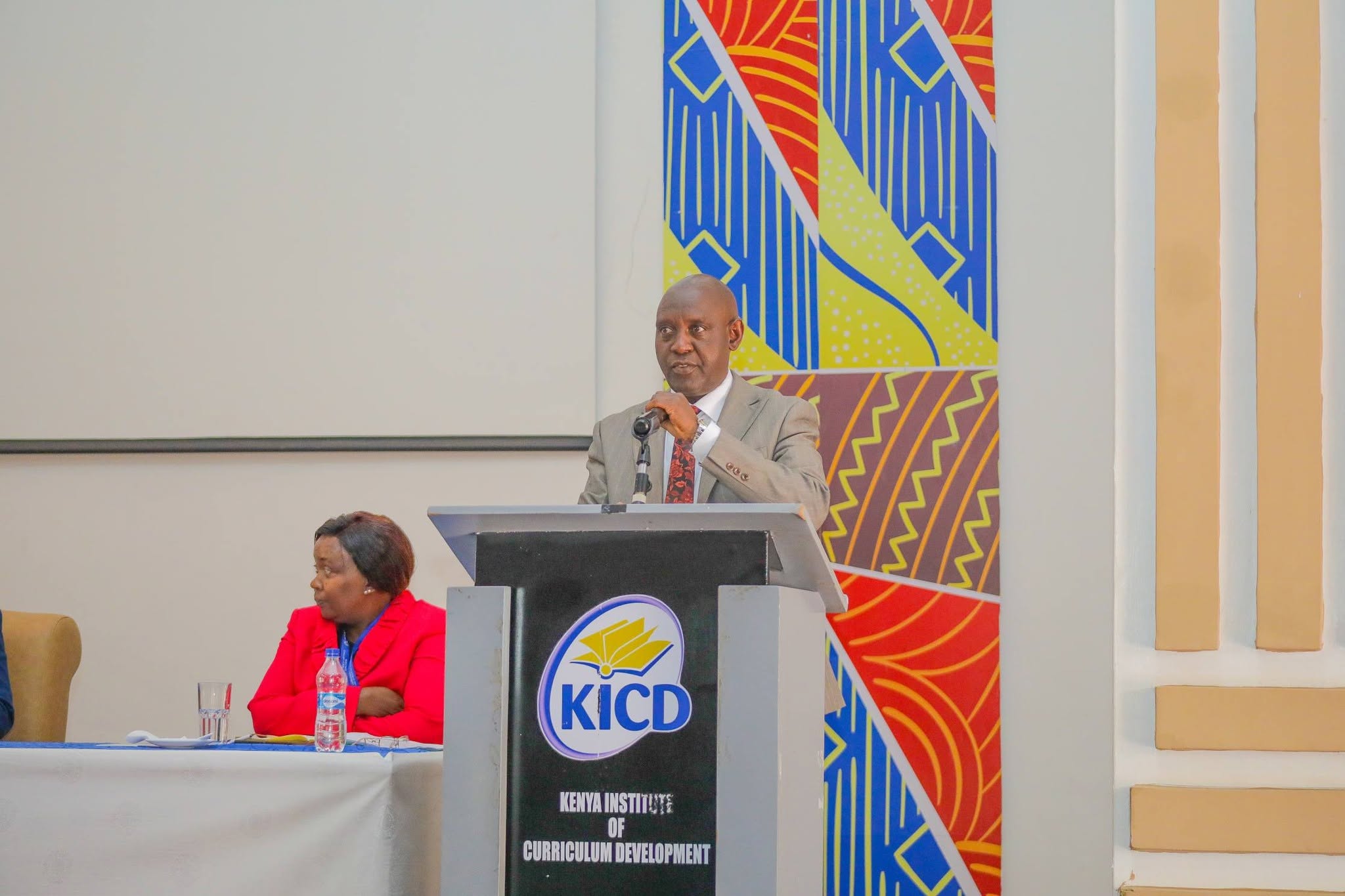
- PS John Ololtuaa has reaffirmed the government’s commitment to equity, quality and inclusive learning through the KPEEL, SEEQIP and DSINCP programmes.
- The government has expanded science and virtual laboratories under SEEQIP while strengthening career guidance and equity initiatives under KPEEL.
- The ministry has committed to supporting learners with Special Education Needs through assistive devices, EARCs and curriculum reviews as part of ongoing education reforms.
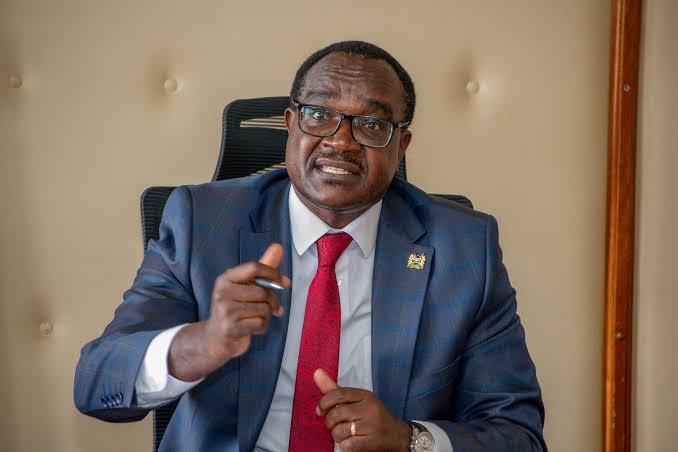
The government has moved to strengthen access, quality and inclusivity in Kenya’s basic education sector, with Basic Education Principal Secretary John Ololtuaa outlining progress made under three key programmes supporting primary and secondary schools across the country.
Ololtuaa represented Education Cabinet Secretary Julius Migos Ogamba during a National Joint Steering Committee meeting for the Kenya Primary Education Equity in Learning Programme (KPEEL), the Kenya Secondary Education Equity and Quality Improvement Programme (SEEQIP), and the Development of Schools Infrastructure in Nyamira County Project (DSINCP), held at the Kenya Institute of Curriculum Development (KICD).
The PS said the three programmes were continuing to deliver tangible benefits to learners while addressing some of the key challenges facing the education sector.
Under KPEEL, the government is strengthening equity and access in primary education while supporting teachers with career guidance training to enable Junior School learners to make informed choices about their future career pathways.
SEEQIP, on the other hand, is focused on enhancing the quality of secondary education through the expansion of science laboratories in Senior Schools and the introduction of virtual laboratories in Junior Schools. Ololtuaa said the interventions were designed to enhance practical learning and improve learners’ access to science education as the country implements the Competency-Based Education (CBE) curriculum.
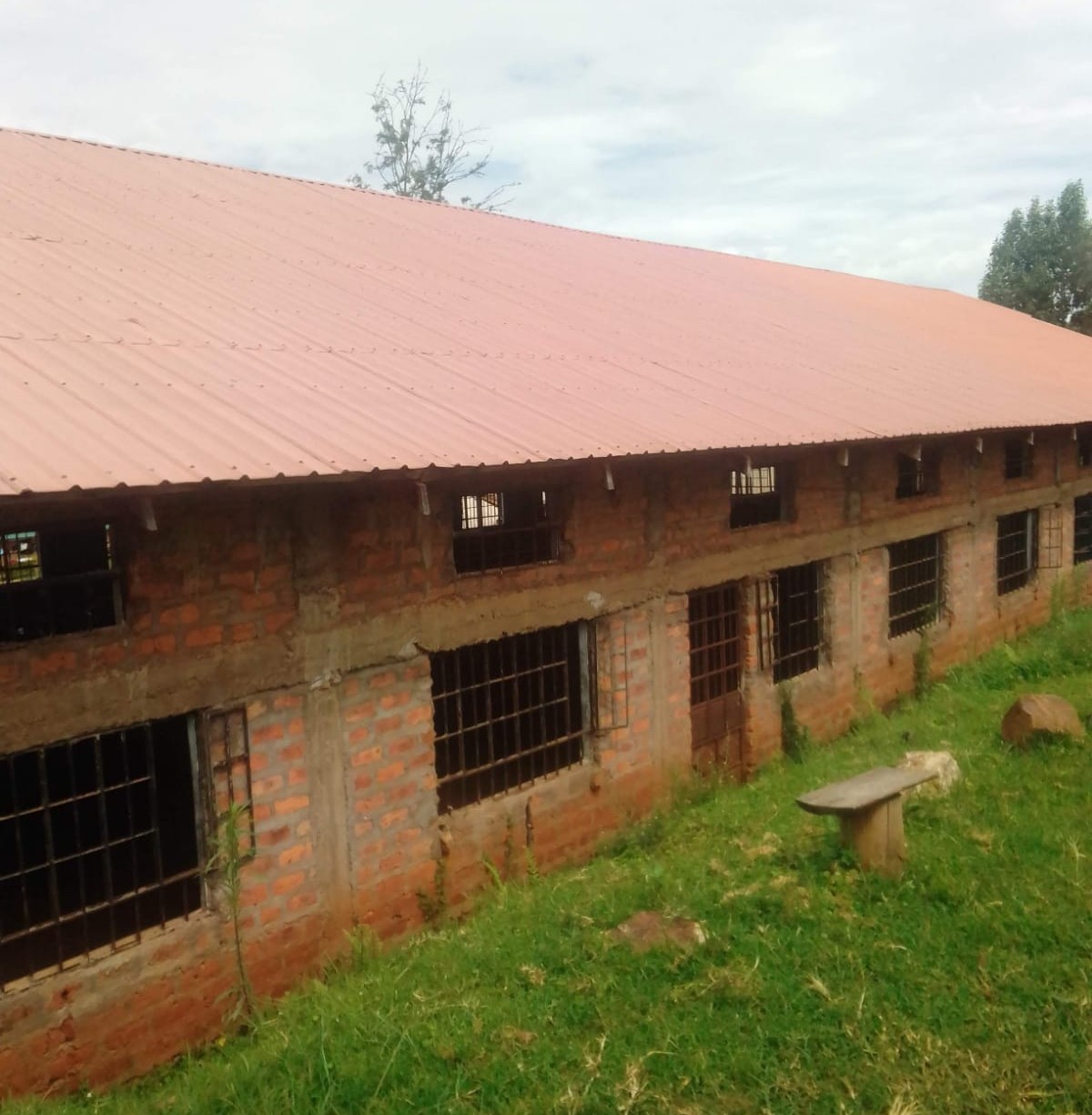
The DSINCP programme is supporting the expansion of critical school infrastructure in Nyamira County, helping address congestion in learning institutions and creating an enabling environment for the implementation of CBE.
ALSO READ:
The teacher should be saved: The alcohol battle we cannot afford to ignore
The PS further reaffirmed the ministry’s commitment to ensuring that learners with Special Education Needs are not left behind in the ongoing education reforms. He highlighted plans and interventions focusing on the provision of assistive devices, construction of Education Assessment and Resource Centres (EARCs) and curriculum review to better respond to the diverse needs of learners.
Ololtuaa also stressed the importance of strengthening safeguarding standards across the three programmes to ensure that learners benefit from safe, inclusive and supportive learning environments.
The steering committee meeting brought together stakeholders involved in the implementation and oversight of KPEEL, SEEQIP and DSINCP, with discussions centred on progress, programme impact and measures to strengthen delivery.
ALSO READ: University funding chaos: Don’t make poor students pay the price of a policy transition
The government says the programmes form part of its broader efforts to transform basic education by improving infrastructure, enhancing teaching and learning, promoting equity and ensuring that every learner has an opportunity to access quality education. The initiatives also seek to support the successful transition to competency-based learning by providing schools and teachers with the resources and capacity required to implement the curriculum effectively.
By Jeff Kirui
Get more stories from our website: Education News
To write to us or offer feedback, you can reach us at: editor@educationnews.co.ke
You can also follow our social media pages on Twitter: Education News KE and Facebook: Education News Newspaper for timely updates.
>> Click here to stay up-to-date with trending regional stories