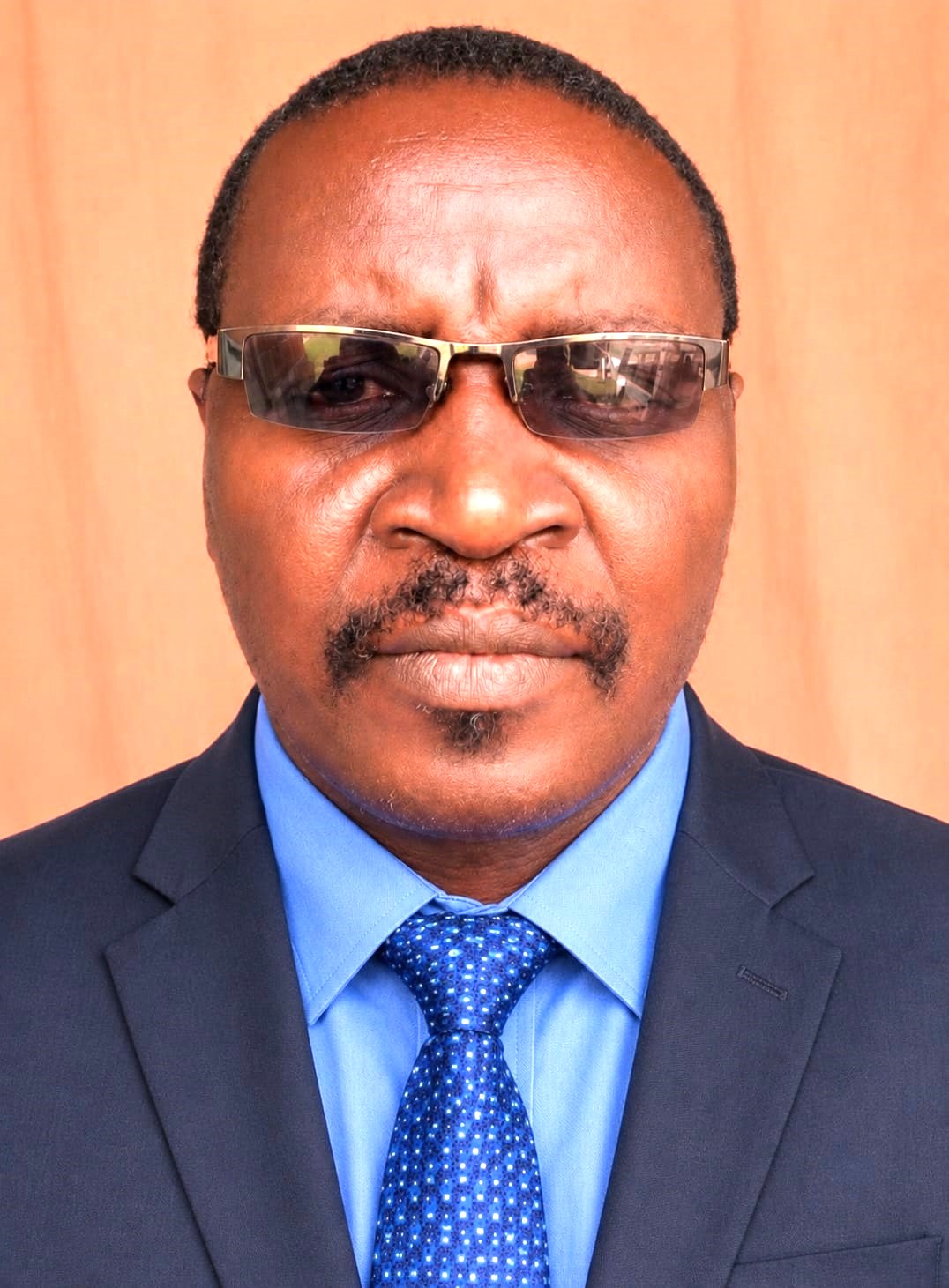
- Astiba Kebong’o argues that Kenya must now focus less on debating CBC and more on whether schools are equipped to implement it effectively.
- He says teacher preparedness, infrastructure, financing and meaningful pathway choices will determine whether learners benefit equally from the reform.
- Astiba maintains that Parliament’s concerns should be treated as an opportunity to strengthen implementation rather than as opposition to CBC.
For years, Kenyans have debated the Competency-Based Curriculum (CBC). Some have welcomed its emphasis on skills, creativity, talent and practical learning, while others have questioned the demands it places on schools, teachers and parents.
But the debate has now entered a new phase. CBC has moved through Junior Secondary School (JSS) and into Senior School. The question is no longer whether it is coming.
It is here. Are we ready for it?
That is a question Kenya must confront honestly.
Recent discussions in Parliament have brought concerns about JSS, teacher preparedness, infrastructure, financing and the capacity of schools to implement the new system into sharper focus. These are not merely political talking points. They affect what happens in classrooms every day.
Parliamentary records show that lawmakers have raised concerns about inadequate JSS infrastructure, shortages of teachers and learning materials, teacher preparation and the transition of learners into Senior School. In February, Tharaka Nithi Senator Mwenda Gataya also raised concerns over Grade 10 transition, including teacher shortages, financial constraints and pressure on infrastructure, especially in rural and ASAL areas.
There is often a considerable gap between what a curriculum promises and what a school can actually deliver. CBC is ambitious. It seeks to develop learners who can think critically, solve problems, communicate effectively, create and apply knowledge beyond the classroom.
These are goals worth pursuing. But ambition needs support.
A teacher cannot effectively deliver practical learning without the necessary materials. A learner cannot develop certain competencies where facilities are unavailable. A school cannot offer meaningful pathway choices if it lacks the teachers and equipment required.
This is where policy meets reality.
JSS concerns cannot be ignored
JSS was introduced as an important bridge between primary and secondary education. Its implementation, however, has raised questions about administration, staffing, teacher preparation and infrastructure.
These concerns deserve attention before they become entrenched.
The Senate has itself highlighted shortages of laboratories, libraries, ICT facilities, science equipment and approved learning materials in JSS, alongside concerns about teacher training, governance and career progression.
Learners at this stage need appropriate facilities, relevant learning materials and teachers equipped to handle both their academic and developmental needs. If JSS is to achieve the objectives of CBC, it must receive the institutional support expected of an important level of education.
The transition into Senior School presents an even greater test because this is where the promise of learner pathways becomes tangible.
One learner may be drawn to science, another to the arts, sports or technical and creative subjects. The new system seeks to recognise these differences.
The Ministry of Education identifies three Senior School pathways: Science, Technology, Engineering and Mathematics; Social Sciences; and Arts and Sports. Learners are expected to select schools and pathways aligned with their interests, competencies and the capacities of institutions.
But choice is meaningful only when opportunities exist.
A learner should not be restricted to a pathway simply because the school lacks the teachers, laboratories, workshops or equipment needed to support it. Otherwise, an idea intended to expand opportunity could end up reinforcing inequality.
This is why parliamentary concerns about education financing and infrastructure deserve serious consideration. Reform should widen opportunity, not deepen the gap between well-resourced and poorly resourced schools.
Teachers and parents must be supported
Teachers remain at the centre of implementation, yet they are often expected to adjust after major decisions have already been made.
They must understand new teaching approaches, assess competencies, maintain records, integrate technology and nurture individual talents, sometimes while working with large classes and limited resources.
Most teachers are capable of adapting. What they need is proper preparation, continuous professional development, manageable workloads and a meaningful voice in policy discussions.
Those who implement reform every day should also help shape its improvement.
Parents, too, cannot be left behind.
CBC has changed what happens at home as well as at school. Parents are expected to understand pathways, support learning and help children identify and develop their strengths. Yet many are still trying to understand what the new system means for their children.
Clear and consistent communication is therefore essential. Parents should not have to depend on rumours, social media posts or conflicting explanations to understand decisions affecting their children’s education.
A reform of this scale requires public understanding alongside policy direction.
The questions being raised in Parliament should not automatically be interpreted as opposition to CBC. Parliament has a responsibility to scrutinise public spending and hold the government accountable for delivering essential services.
Lawmakers have repeatedly raised concerns about teacher numbers, infrastructure, learning materials and the preparedness of schools for CBC transitions.
When legislators raise concerns about teachers, infrastructure, funding and implementation, those concerns deserve serious and evidence-based responses.
There is also nothing wrong with adjusting a reform when experience exposes weaknesses. Education systems must respond to evidence. Defending every original decision simply because it was made earlier does not improve education.
Reform must match schools’ capacity
Kenya now needs an honest assessment of its preparedness.
Do schools have the teachers and facilities required to offer the pathways being promised? Are parents sufficiently informed? Are teachers adequately supported? Can learners in poorly resourced areas access the same opportunities as those in better-equipped schools?
These questions go beyond CBC. They speak to the kind of education system Kenya wants to build.
The answer should not be to abandon reform whenever difficulties emerge. Neither should legitimate concerns be dismissed in the name of protecting the reform.
The sensible approach is to strengthen what works, correct what does not and invest where the gaps are obvious.
That means better teacher preparation, adequate infrastructure, reliable learning materials, sustainable financing and clearer communication with parents. It also means listening to teachers and learners, whose experiences provide valuable evidence of what is working and what needs to change.
CBC is here. Kenya’s responsibility now is to ensure that the ambition of the curriculum is matched by the capacity to deliver it.
The ultimate test will not be found in policy documents or speeches. It will be found in the classroom — where the learner sits, where the teacher works and where the future of Kenya’s education system is being shaped every day.
By Astiba Kebong’o
Get more stories from our website: Education News
To write to us or offer feedback, you can reach us at: editor@educationnews.co.ke
You can also follow our social media pages on Twitter: Education News KE and Facebook: Education News Newspaper for timely updates.
>> Click here to stay up-to-date with trending regional stories